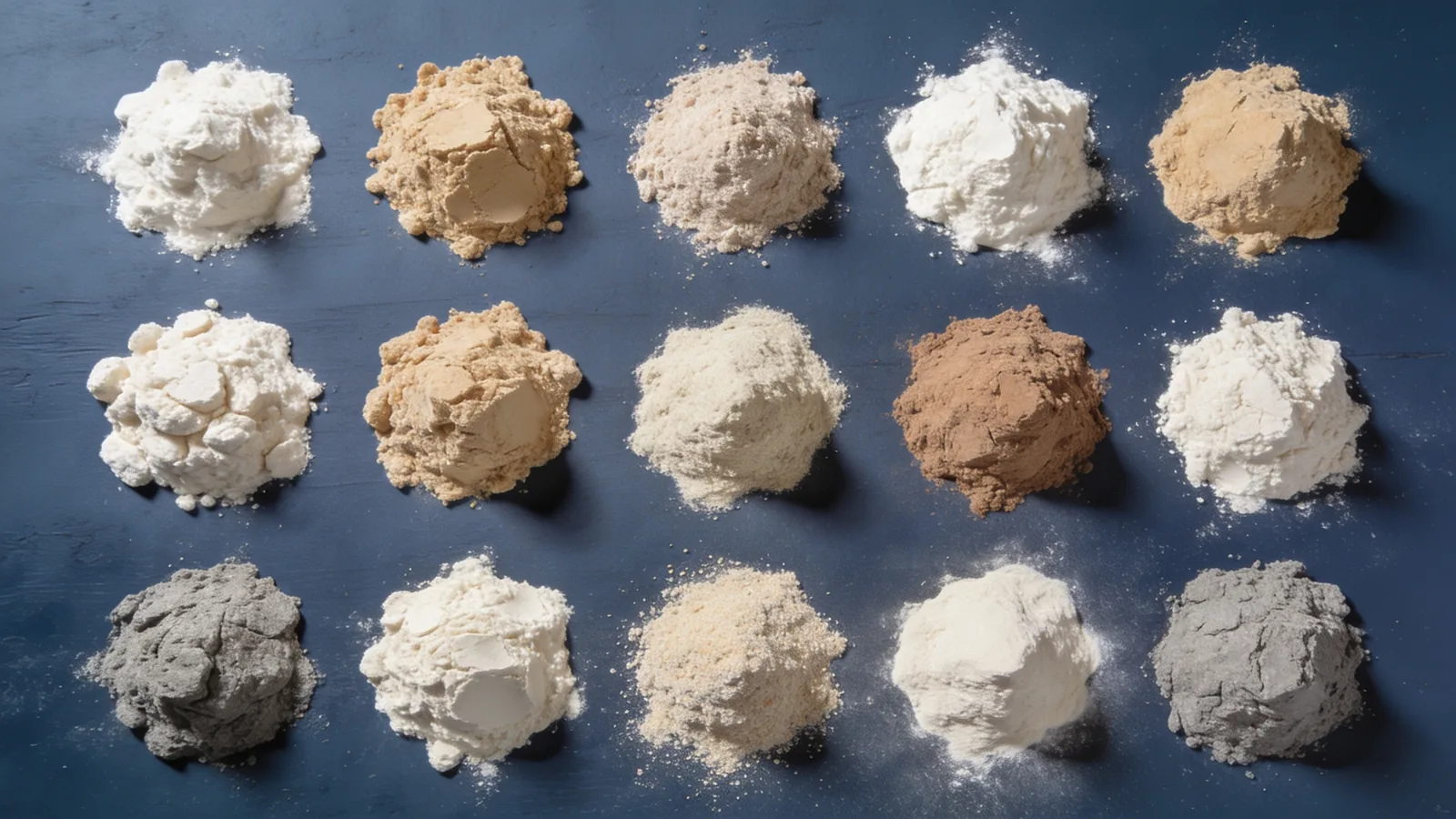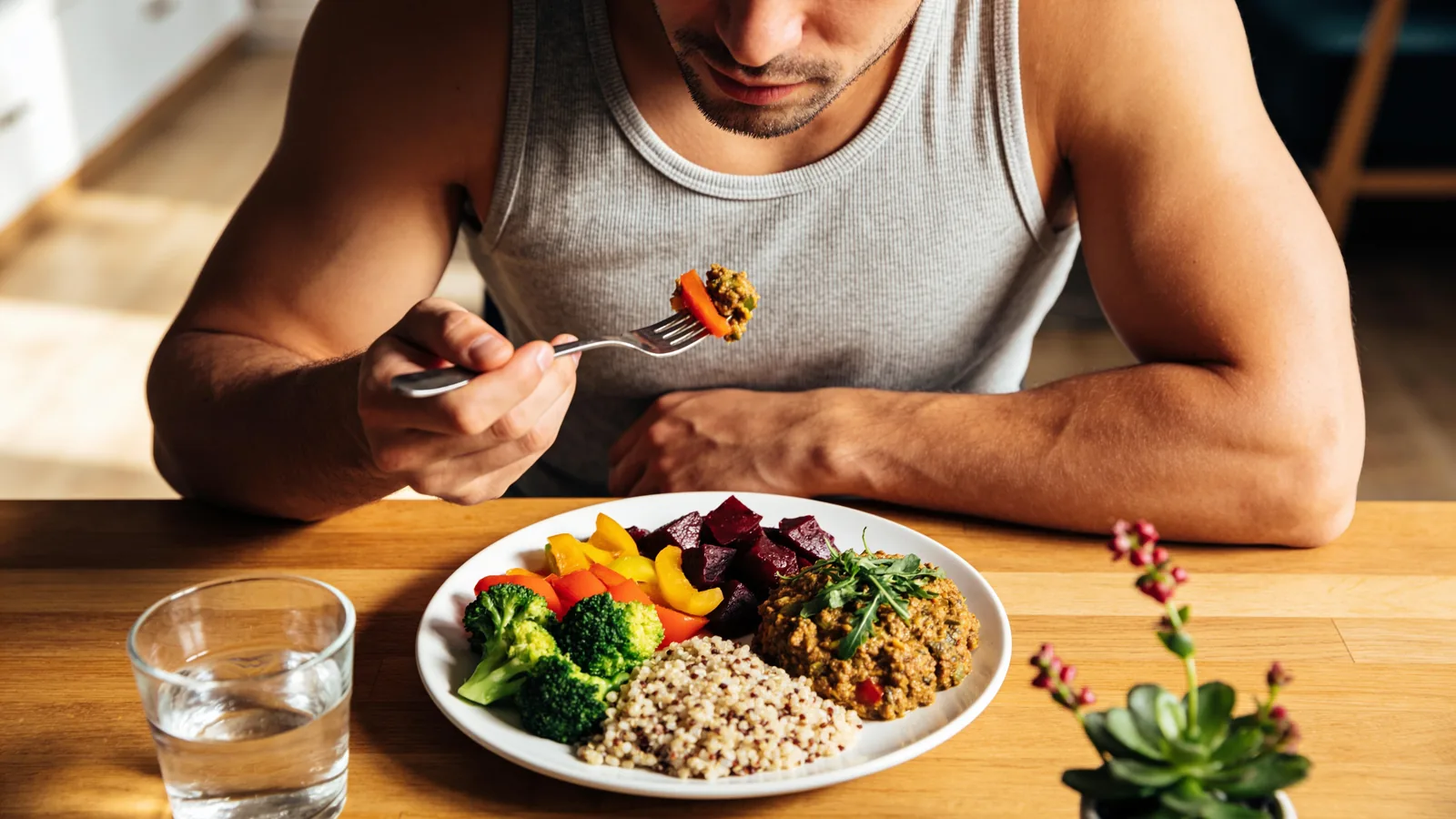
A bariatric protein powder has one hard job: deliver a large amount of protein in a very small volume, without sugar, without a long ingredient list, and without upsetting a gut that is still healing. After gastric sleeve or bypass surgery your stomach holds a fraction of what it used to, so the protein you do manage to drink has to be dense, digestible, and well tolerated. That narrows the field fast.
For most people recovering from gastric sleeve or bypass surgery, the best bariatric protein powder is a single-ingredient isolate with high digestibility, no added sugar, and minimal allergens. Potato protein isolate (80–95% protein by dry weight, with a DIAAS reported as high as 100%, and classified low-FODMAP by Monash University) and whey protein isolate (90–95% protein, under 1% lactose) are the two strongest options. The right choice depends on whether you still tolerate dairy and how your digestion responds after surgery.
We compared these protein types the way a post-surgical patient actually uses them — small servings, several times a day, on a sensitive stomach — and weighed them on the factors below.
Top Options by Category
Single-ingredient potato protein isolate
Single-ingredient, unflavored plant option
One ingredient: potato protein isolate. There is no gum, no sweetener, no flavor system, and nothing to read with a magnifying glass — which is exactly what you want when your digestion is unpredictable. Potato protein contains 80–95% protein by dry weight, is classified as low-FODMAP by Monash University, and carries a DIAAS reported as high as 100% (Herreman et al., Food Science & Nutrition, PMID 33133540), placing it alongside animal proteins on quality. A controlled trial found 25g of potato protein isolate stimulated muscle protein synthesis at rest and after exercise (Oikawa et al., Nutrients, PMID 32349353) — relevant because protecting lean mass during rapid weight loss is one of the central problems after bariatric surgery. It has no dairy, soy, egg, gluten, or nuts, and the unflavored powder disappears into a small glass of water or a few spoonfuls of yogurt.
Pros:
- Single ingredient — nothing to react to
- Low-FODMAP (Monash University, 2019)
- No added sugar, no sweeteners
- No dairy, soy, egg, gluten, or nuts
- DIAAS reported as high as 100%
Cons:
- Plant proteins generally produce a slower rise in blood amino acids than whey
- Unflavored, so you mix it yourself
Unflavored whey isolate
Dairy-based, complete protein
Whey protein isolate is 90–95% protein with under 1% lactose, making it more digestible than whey concentrate, which carries more of the FODMAP lactose (Monash University FODMAP). It is a complete protein, it absorbs quickly, and it has the strongest muscle-protein-synthesis evidence of any single source: in a controlled trial 30g of whey raised myofibrillar protein synthesis significantly versus placebo, while collagen did not (Aussieker et al., Med Sci Sports Exerc, PMID 37202878). If you tolerated dairy before surgery and still do, an unflavored whey isolate is a reasonable first choice. The catch is that some people develop new lactose sensitivity after a sleeve or bypass, and dairy is a top allergen.
Pros:
- 90–95% protein, under 1% lactose
- Complete protein with rapid amino acid release
- Strongest muscle-synthesis evidence base
Cons:
- Dairy allergen
- New lactose sensitivity is common after surgery
- Flavored versions often add sugar or sweeteners
Single-ingredient pea protein
Common dairy-free option
Pea protein is the default dairy-free recommendation in many bariatric programs, and it is widely available and lysine-rich. A single-ingredient pea protein is just yellow pea protein — nothing else. We list it honestly rather than enthusiastically. Monash University notes that plant proteins such as soy and pea “can be particularly challenging to purify, and often contain some FODMAPs (eg. GOS and fructan)” — which is exactly the kind of fermentable carbohydrate that causes gas and bloating in a healing gut. Pea is also limited in the sulfur amino acids methionine plus cysteine, which average a chemical score of only 46% (Molecules, 2024, PMID 39519674). It works for many people; for a sensitive post-surgical stomach it is worth a small trial first.
Pros:
- Dairy-free and widely stocked
- Lysine-rich
Cons:
- Often contains FODMAPs (GOS, fructan) that can cause bloating
- Limited in methionine plus cysteine
- Plant-based powders averaged higher cadmium and lead in 2025 testing
Organic plant-based blend
Flavored, ready-to-mix option
If an unflavored isolate is a non-starter for you and a flavored shake is the only way you will hit your protein target, a flavored plant-based blend is a credible choice — these typically deliver around 15–21g of plant protein per serving. The trade-off is that a blend is multi-ingredient: more inputs, including stevia or erythritol in most versions, and sometimes gums for texture. If you choose a flavored plant powder, favor vanilla over chocolate — the Clean Label Project’s 2025 Protein Study 2.0 found chocolate-flavored powders contained 110 times more cadmium than vanilla varieties, and 65% of chocolate products exceeded California Prop 65 levels.
Pros:
- Flavored, which improves tolerability for some
- Dairy-free options are widely available
- Stevia-free formulations exist if you avoid that sweetener
Cons:
- Multi-ingredient blend, not single-ingredient
- Most versions contain stevia, erythritol, or added gums
- Choose vanilla over chocolate for lower heavy-metal exposure
What to Look For on Your Own
Your surgical team sets your protein target and your stage-by-stage progression, and you should follow their protocol over any general guide. But within those rules, the powder you choose is up to you, and a few factors separate a powder you will actually finish from one that sits in the cupboard.
Protein per serving against volume. Read the label for grams of protein per scoop and check how little liquid it needs. A powder that demands 12 ounces of water to mix is harder to finish than one that dissolves into a few ounces. Isolates — potato, whey, or pea — pack more protein per gram than concentrates because they are processed to remove carbohydrate and fat. If you want the background on how potato protein is concentrated and why that matters, see what potato protein actually is.
Digestibility. Bloating, gas, and cramping are the most common reasons people abandon a powder after surgery. Two things drive it: lactose, and FODMAPs. Whey concentrate carries more lactose than isolate; many plant proteins carry fermentable GOS and fructan. Potato protein is one of the few sources classified as low-FODMAP. If digestion is your main hurdle, our breakdown of the easiest protein to digest for sensitive stomachs goes deeper, as does our guide to common protein problems.
Sugar and sweeteners. Skip added sugar entirely. Beyond the empty calories, sugary liquids are poorly tolerated after a sleeve or bypass. Unflavored powders sidestep the question altogether; if you need flavor, stevia-free and sugar-free options exist across both dairy and plant blends — check the label for 0g of added sugar and the sweetener used.
Allergens and ingredient count. The fewer ingredients, the fewer potential triggers — which is why single-ingredient powders suit anyone managing food sensitivities. For dairy-, soy-, egg-, and nut-free needs, our allergen-free protein guide covers the full landscape.
Third-party heavy-metal testing. This is not optional. Consumer Reports tested 23 protein products in 2025 and found more than two-thirds contained more lead per serving than its safe daily limit of 0.5 micrograms, with plant-based products averaging nine times the lead of dairy-based powders. The Clean Label Project’s 2025 Protein Study 2.0 tested 160 products and found 47% exceeded at least one federal or state safety standard. Buy from a brand that publishes a current certificate of analysis.
If you are also using a GLP-1 medication alongside or after surgery, the protein-intake math changes again; our guide on how much protein on a GLP-1 covers how to protect muscle while eating very little.
Comparison of Protein Sources for Bariatric Patients
| Protein source | Protein content | Quality score | FODMAP / digestibility | Allergen |
|---|---|---|---|---|
| Potato protein isolate | 80–95% (dry basis) | DIAAS up to 100 | Low-FODMAP | None of the major allergens |
| Whey protein isolate | 90–95% | — | Under 1% lactose | Dairy |
| Pea protein isolate | — | Methionine + cysteine score 46% | Can contain GOS, fructan | Legume |
| Egg white | — | PDCAAS 1.00 | — | Egg |
Reliable single-figure PDCAAS values are not established across all of these sources, which is why some cells carry an em-dash rather than a number. What the data does support: potato protein scores with the animal proteins on quality while staying low-FODMAP and allergen-light — an unusual combination, and a useful one after surgery.