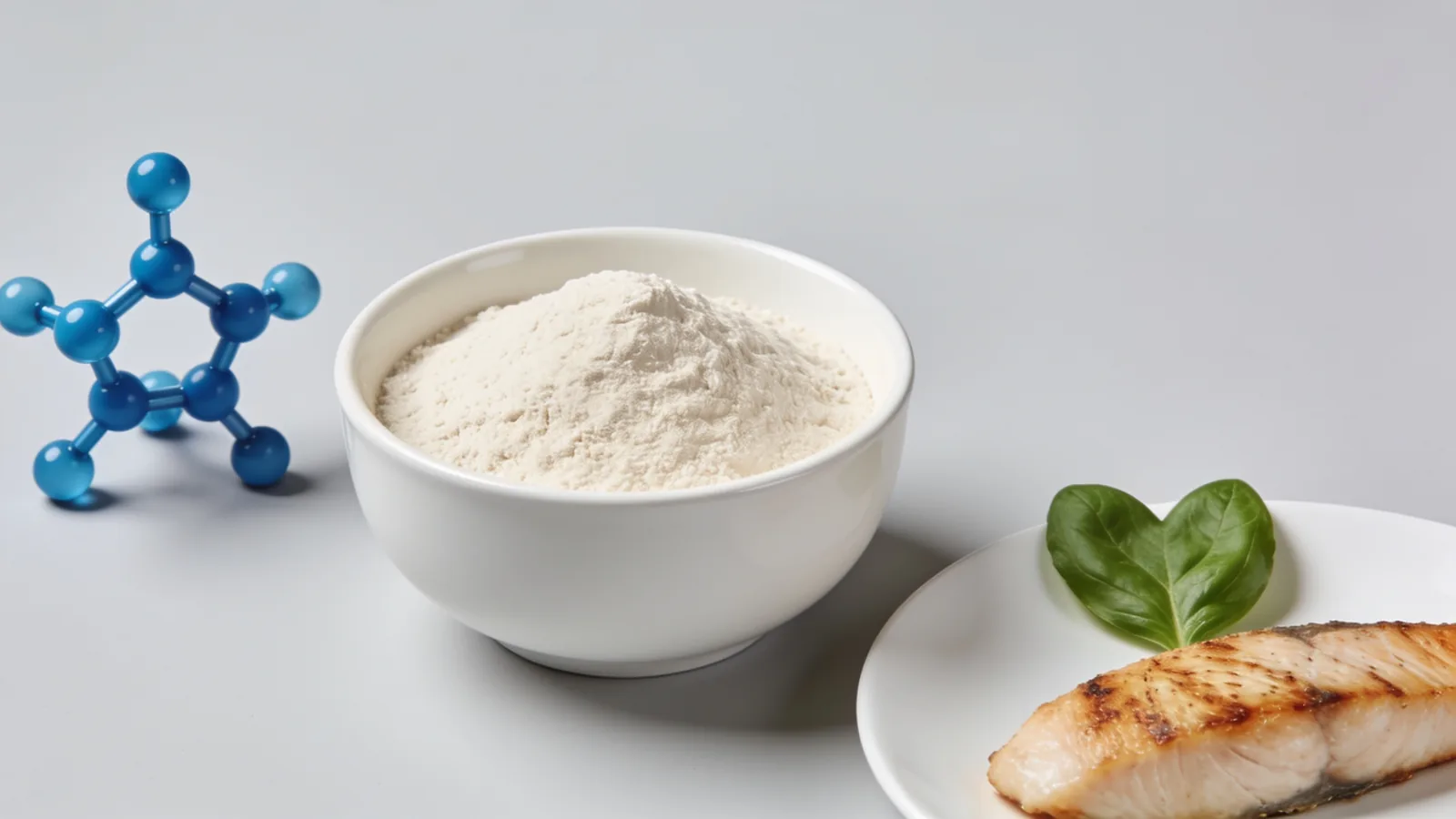
The best protein powder for cancer and chemo patients is usually the one with the fewest ingredients, a neutral flavor, and documented heavy-metal testing — three things that matter more during treatment than they do for a healthy gym-goer. Treatment changes the math: nausea, metallic taste, mouth sores, a compromised immune system, and unintended muscle loss all shift the priority away from marketing claims and toward tolerability and verified safety. This guide ranks the realistic options and is honest about which ones a registered dietitian or oncology team might reach for first.
For most people in active treatment, a single-ingredient protein powder with no sweeteners or gums is the safest starting point: it mixes into soft foods, carries the smallest list of possible irritants, and avoids the flavoring chemistry behind chemo taste aversions. Whey protein isolate is the most studied option and was well tolerated in a 2025 randomized trial of gynecological cancer surgery patients (World Journal of Oncology, PMID 39850521). For dairy-free, low-FODMAP needs, potato protein isolate is a single-ingredient plant alternative. Always confirm the choice with your oncology team, because protein targets and food-safety precautions vary by diagnosis and kidney status.
Here is how we evaluated every product against the specific realities of chemotherapy and cancer care, rather than against generic fitness criteria.
Top Options by Category
Single-ingredient potato protein isolate
Strongest all-around plant option for sensitive, immunocompromised patients
Potato protein isolate. No sweeteners, no gums, no flavor system — which removes the exact chemistry behind many chemo taste aversions. It is a low-FODMAP protein source (Monash University FODMAP, 2019), so it gives a treatment-stressed gut little to react to, and it carries none of the top allergens. On quality, potato protein isolate stimulated muscle protein synthesis at rest and after exercise in a controlled study (Nutrients, 2020; PMID:32349353), and its DIAAS has been reported as high as 100% (Food Science & Nutrition, Herreman et al., 2020; PMID:33133540). If you want the background, see what potato protein actually is.
Pros:
- Single ingredient — nothing to flavor, gum, or sweeten
- Low-FODMAP and free of the top allergens
- Neutral taste; mixes into soft, easy-to-eat foods
Cons:
- Lower leucine and slower amino-acid release than whey
- Low in calories on its own — pair it with food
- Texture is plainer than flavored commercial blends
Whey protein isolate
Best studied option for tolerance
Whey protein isolate is the most researched protein in oncology nutrition, and we won’t pretend otherwise. In a 2025 randomized controlled trial of 61 gynecological cancer surgery patients, whey supplementation was well tolerated, with all intervention-group patients completing intake without nausea, vomiting, or adverse events (World Journal of Oncology, 2025; PMID 39850521). Isolate is 90–95% protein and under 1% lactose, so it carries less of the FODMAP lactose than whey concentrate (Monash University FODMAP). Its fast digestion and high leucine make it strong for muscle protein synthesis (American Journal of Clinical Nutrition, 2011; PMID:21367943). The catch is milk: it is off the table for anyone with a dairy allergy, and flavored tubs often add the sweeteners that taste-averse patients want to avoid.
Pros:
- Strongest direct evidence in a cancer-patient trial
- High leucine; fast, effective for muscle protein synthesis
- Isolate carries minimal lactose
Cons:
- Milk allergen — unsuitable for dairy allergy
- Flavored versions usually contain added sweeteners
- Some patients develop a dairy aversion during treatment
Unflavored single-ingredient pea protein
Best dairy-free single-ingredient backup
For patients who cannot tolerate dairy and want a more widely stocked option, an unflavored single-ingredient pea protein is a reasonable second plant choice. A single-ingredient pea protein is just yellow pea protein — nothing else added. Two honest caveats apply. First, pea and other plant proteins “can be particularly challenging to purify, and often contain some FODMAPs,” per Monash University, so a sensitive gut may not agree with it. Second, in independent testing, plant-based powders averaged higher contaminant levels — Consumer Reports found lead in plant-based products averaged nine times that of dairy-based powders (Consumer Reports, 2025) — which makes a published lab report non-negotiable here.
Pros:
- Dairy-free and free of the top allergens
- Single ingredient; widely available
- Neutral enough to blend into food
Cons:
- Can contain FODMAPs (GOS, fructan)
- Plant powders averaged higher heavy metals in testing
- Lower leucine than whey
Stevia-free organic plant-based blends
Best stevia-free flavored option
Some patients cannot face an unflavored powder, and a mild flavored option they will actually drink beats a perfect one they leave in the cupboard. One organic plant-based blend is stevia-free and provides 20g of plant protein per serving; another stevia-free organic plant-based blend provides 15g of protein and 0g of sugar. Both avoid stevia, which some people find bitter during treatment. The trade-off is a longer ingredient list, and certified-organic plant powders averaged three times the lead of non-organic products in the Clean Label Project’s 2025 Protein Study 2.0 — so check the product’s testing before committing.
Pros:
- Palatable for patients who reject unflavored powder
- Stevia-free; one option has 0g sugar
- Dairy-free
Cons:
- More ingredients than a single-ingredient isolate
- Organic plant powders averaged higher lead in testing
- Flavor systems can still trigger aversions
What to Look For on Your Own
Once treatment starts, the label hierarchy inverts. The questions that matter most are not “how many grams” but “will this stay down, and is it tested.” Use the comparison below as a starting frame, then match it to your own diagnosis and your dietitian’s targets.
| Protein source | Protein content | Main allergen | FODMAP profile | Notes |
|---|---|---|---|---|
| Potato protein isolate | 80–95% (dry basis) | None of the top allergens | Low-FODMAP | Single ingredient; DIAAS reported as high as 100% |
| Whey protein isolate | 90–95% | Milk | Lower FODMAP than concentrate | Well tolerated in a 2025 cancer-surgery trial |
| Whey protein concentrate | — | Milk | Higher lactose (FODMAP) | Carries more lactose than isolate |
| Pea protein | 70–90% | None of the top allergens | Can contain GOS/fructan | Averaged higher heavy metals in independent testing |
Heavy metals matter more when your immune system is down
Contaminant testing is not paranoia during treatment — it is basic risk management. The Clean Label Project’s 2025 Protein Study 2.0 tested 160 products from 70 brands and found 47% exceeded at least one federal or state safety standard, with plant-based powders containing five times more cadmium than whey-based varieties, and chocolate powders carrying 110 times more cadmium than vanilla. Consumer Reports separately found that more than two-thirds of 23 tested products exceeded its safe daily lead limit. The practical takeaway: favor vanilla or unflavored over chocolate, and pick a product that will show you its numbers. Our guide to verifying a powder has no heavy metals walks through how to read a Certificate of Analysis.
Match the powder to your gut, not the marketing
Chemo regimens vary, and so do their gut effects. If diarrhea, cramping, or bloating are part of your week, a low-FODMAP single ingredient is the conservative choice, and our overview of protein powder for IBS, SIBO, and IBD covers the same tolerance principles. If your appetite is intact and dairy sits fine, whey isolate’s evidence base is hard to beat.
Hitting your protein target without forcing it
Powder is a tool for the days when solid food is hard, not a replacement for an oncology nutrition plan. General research suggests older adults may need 1.0–1.2 g of protein per kg of body weight daily to counter age-related muscle loss (Clinical Nutrition, 2014; PMID:24814383), and aging is associated with a blunted muscle response to protein, termed anabolic resistance (PMID:23558692). Cancer and its treatment add their own demands on top of that, which is exactly why the specific number should come from your care team rather than a blog. Spreading protein across small, tolerable amounts through the day is usually easier than one large shake.