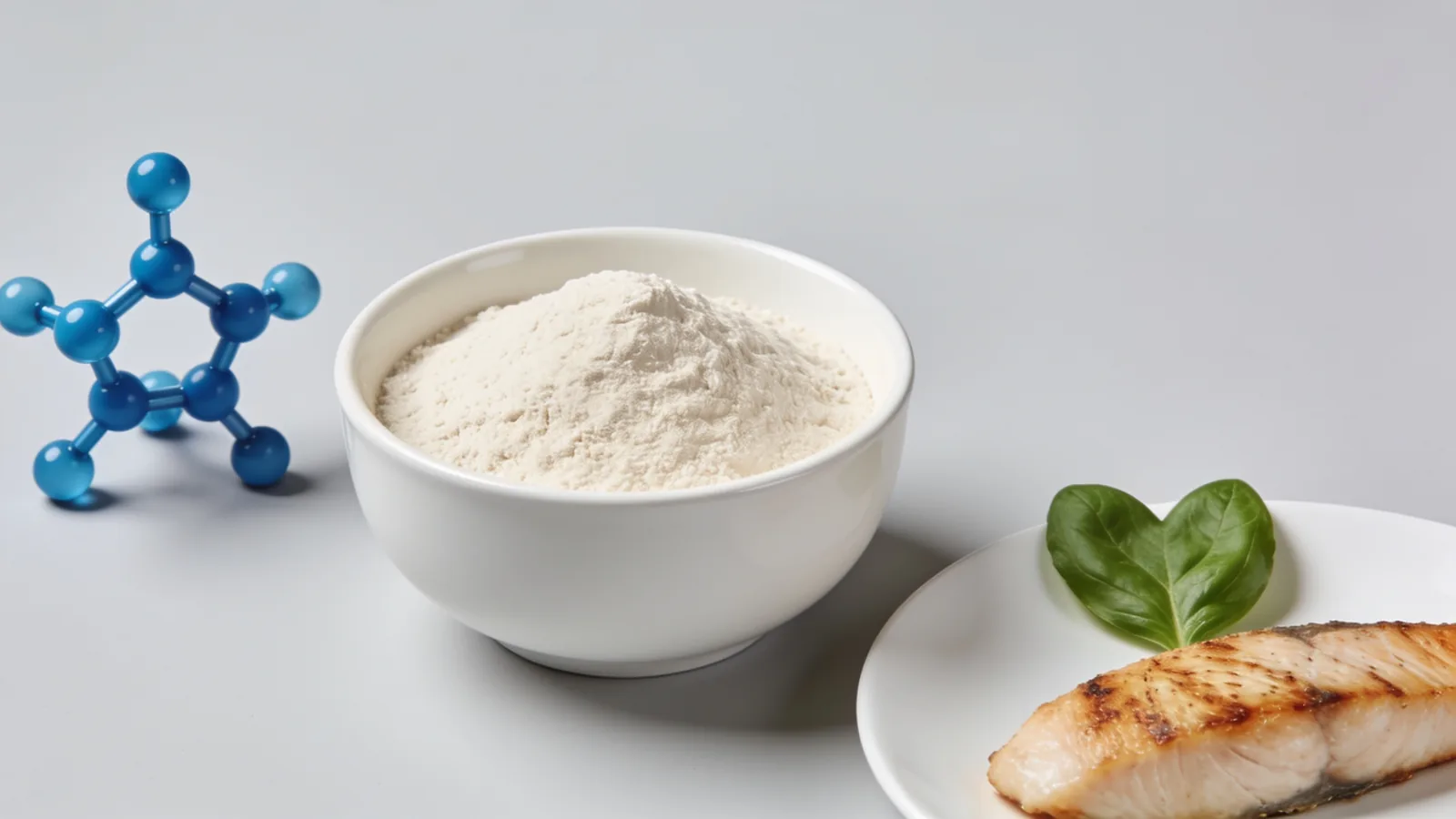
The best protein powder for liver disease (cirrhosis / fatty liver) is a highly digestible, single-ingredient powder with no unnecessary additives and verified-low heavy-metal content. Digestibility matters more here than it does for a healthy adult: protein that is not absorbed in the small intestine reaches the colon, where bacteria ferment it into ammonia and other compounds (Am J Physiol Gastrointest Liver Physiol, 2018, PMID:29597354) — and ammonia is exactly what a compromised liver struggles to clear.
For most people with cirrhosis or fatty liver, the best protein powder is highly digestible, contains a single ingredient with no sweeteners or gums, and comes with a current third-party heavy-metal report. Potato protein isolate fits all three: its DIAAS has been reported as high as 100% (Food Science & Nutrition, Herreman et al., 2020, PMID:33133540), and it is classified low-FODMAP. Whey isolate is also highly digestible and tests lower for heavy metals than plant powders on average, but it is a dairy allergen. Protein targets in liver disease are individual — set them with your hepatology team.
We evaluated proteins the way someone managing a liver condition has to: by digestibility, additive load, and what an independent lab actually finds in the tub.
Top Options by Category
No single powder is right for everyone with liver disease. Below is an honest spread, with the trade-offs stated plainly. Compare the verified attributes first:
| Protein | Source | Protein-quality data (verified) | FODMAP status | Common allergen? |
|---|---|---|---|---|
| Potato protein isolate | Plant | DIAAS reported as high as 100% (PMID:33133540) | Low-FODMAP (Monash, 2019) | No top-9 allergen |
| Whey protein isolate | Animal (dairy) | Complete; 90–95% protein, <1% lactose | Lower lactose than concentrate | Dairy |
| Pea protein isolate | Plant | Limiting met+cys, chemical score 46% (Molecules, 2024, PMID 39519674) | Can contain GOS / fructan | No top-9 allergen |
| Egg white protein | Animal | PDCAAS 1.00 (established FAO/WHO value) | — | Egg |
Single-ingredient potato protein isolate
Single-ingredient, plant-based, low-FODMAP
It satisfies all three of the hardest requirements at once: high digestibility, one ingredient, and low-FODMAP tolerance. The Digestible Indispensable Amino Acid Score for potato protein isolate has been reported as high as 100% (Food Science & Nutrition, Herreman et al., 2020, PMID:33133540) — meaning most of it is absorbed in the small intestine rather than passing to the colon, where undigested protein ferments into ammonia and other byproducts (Am J Physiol Gastrointest Liver Physiol, 2018, PMID:29597354). It is also a plant source, and a higher plant-to-animal protein ratio is associated with a 19% lower risk of cardiovascular disease (American Journal of Clinical Nutrition, Glenn AJ et al., 2024, PMID:39631999) — a relevant consideration in metabolic fatty liver, which travels with cardiometabolic risk. As a muscle-feeding protein it holds up: 25 g of potato protein isolate twice daily stimulated muscle protein synthesis in young women (Nutrients, 2020, PMID:32349353), and potato protein ingestion increased muscle protein synthesis rates at rest and during recovery from exercise in humans (Medicine & Science in Sports & Exercise, 2022, PMID:35438672).
Pros:
- One ingredient — no gums, dyes, or sweetener blends
- DIAAS reported as high as 100%; highly digestible
- Low-FODMAP (Monash, 2019)
- No dairy, soy, egg, or gluten
Cons:
- Plant powders average higher heavy metals than whey across the market, so a COA is non-negotiable, not optional
- Lower postprandial leucine than whey
Unflavored whey isolate
Dairy-based, fast-digesting, leucine-rich
If dairy is not a problem, whey isolate is the most rapidly digested complete protein and the lowest-lactose form of whey, at 90–95% protein and under 1% lactose. It delivers more leucine per serving than most plant proteins and tends to drive a faster post-meal muscle-protein-synthesis response. It also tests cleaner on contaminants on average: the Clean Label Project found plant-based powders carried five times the cadmium of whey-based varieties, and Consumer Reports found lead in plant-based products averaged nine times that of dairy-based powders. Choose the isolate, not the concentrate — Monash notes concentrate carries more of the FODMAP lactose.
Pros:
- Complete, rapidly absorbed protein
- Lowest-lactose whey format
- Lower heavy-metal averages than plant powders
Cons:
- Dairy allergen; not for lactose-sensitive or dairy-free
- Flavored versions often add gums and sweeteners
- Some clinicians favor plant protein in hepatic encephalopathy — discuss with your team
Single-ingredient pea protein
Single-ingredient, plant-based, widely stocked
Pea is the most stocked single-ingredient plant protein and carries no top-9 allergen. A single-ingredient pea protein is just yellow pea protein — nothing else — which makes it a reasonable backup if potato protein is hard to source. Its weak point is the amino acid profile: across new pea genotypes the limiting amino acids were methionine plus cysteine, with a chemical score of just 46% (Molecules, 2024, PMID 39519674). Monash also notes that pea proteins can contain GOS and fructan FODMAPs, which can trigger bloating in sensitive users — worth weighing when appetite and comfort already matter.
Pros:
- No dairy, soy, egg, or gluten
- Easy to find as a single ingredient
Cons:
- Limiting sulfur amino acids (chemical score 46%)
- Can contain GOS / fructan FODMAPs
- Subject to the same plant heavy-metal averages
Egg white protein
Dairy-free animal protein
Egg protein is a textbook reference for quality, with an established PDCAAS of 1.00. For people who avoid dairy but tolerate egg, an unflavored egg white powder is a complete, highly digestible choice. The drawbacks are the egg allergen itself and a faint sulfurous taste that does not disappear into food as readily as a neutral isolate.
Pros:
- PDCAAS 1.00; complete and digestible
- Dairy-free animal protein
Cons:
- Egg allergen
- Sulfurous note in unflavored versions
- Not suitable for plant-only diets
What to Look For on Your Own
The protein landscape for liver disease has changed. For decades, people with cirrhosis were told to restrict protein to limit ammonia. Modern hepatology guidance has largely moved away from blanket restriction, because under-eating protein accelerates muscle loss — and muscle is itself a site of ammonia handling. The practical target for you is individual and belongs to your hepatology team, not a label. What you can control on the shelf is the quality of the protein you choose.
Prioritize digestibility. The single most liver-relevant property of a protein is how completely it is absorbed before reaching the colon. Highly digestible proteins — potato isolate, whey isolate, egg white — leave less residue for colonic bacteria to ferment into ammonia, branched-chain fatty acids, phenolic and indolic compounds, and hydrogen sulfide (PMID:29597354). To understand why processing method drives this, it helps to know what potato protein actually is and how an isolate differs from a whole-food source.
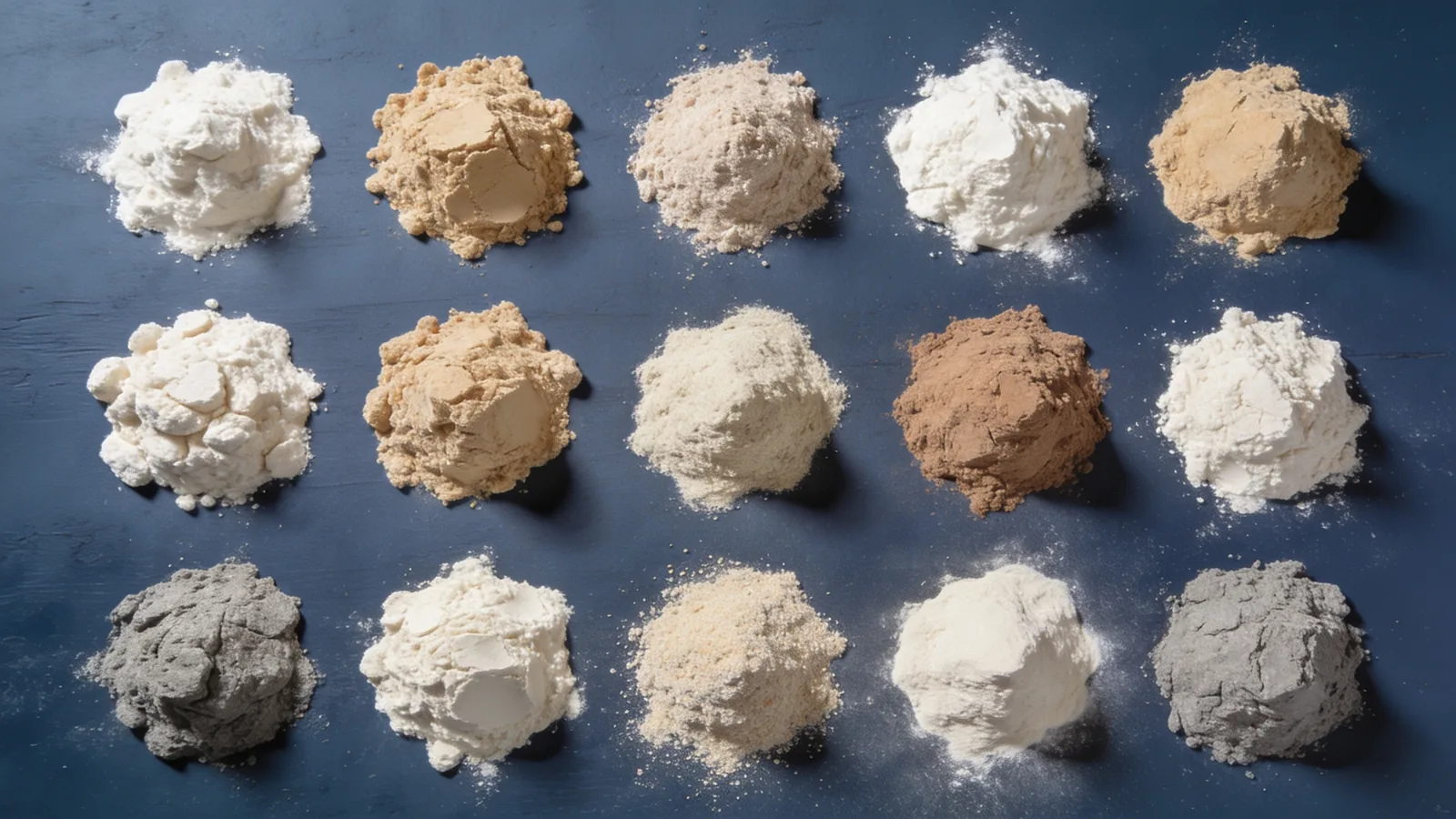
Demand a Certificate of Analysis. This is the step most buyers skip and the one that matters most when your liver is doing the filtering. The Clean Label Project’s 2025 Protein Study 2.0 tested 160 products from 70 brands across 35,862 data points and found 47% exceeded at least one federal or state safety standard, with 21% over twice the California Proposition 65 level. Plant powders averaged five times the cadmium of whey, organic powders averaged three times the lead of non-organic, and chocolate powders contained 110 times more cadmium than vanilla. Translation: do not assume a plant or organic label means lower metals — verify the specific product. The broader method for vetting any product is covered in our guide to verifying heavy metals in protein powder.
Cut the additive list. Gums, colors, and sweetener blends are not dangerous to a healthy liver, but they add metabolic work and, in sensitive people, digestive symptoms. A single-ingredient powder removes that variable entirely. If you are also managing IBS-type symptoms alongside liver disease, a low-FODMAP source is worth the search; our notes on protein for IBS, SIBO, and IBD apply directly, since potato protein is classified low-FODMAP by Monash (2019).
Match the protein to your other restrictions. Many people with fatty liver are also managing weight and blood sugar; many with cirrhosis are simultaneously avoiding dairy or soy. The shorter the ingredient list and the fewer allergens, the more situations a single tub covers. That is the whole argument for single-ingredient isolates over proprietary blends.