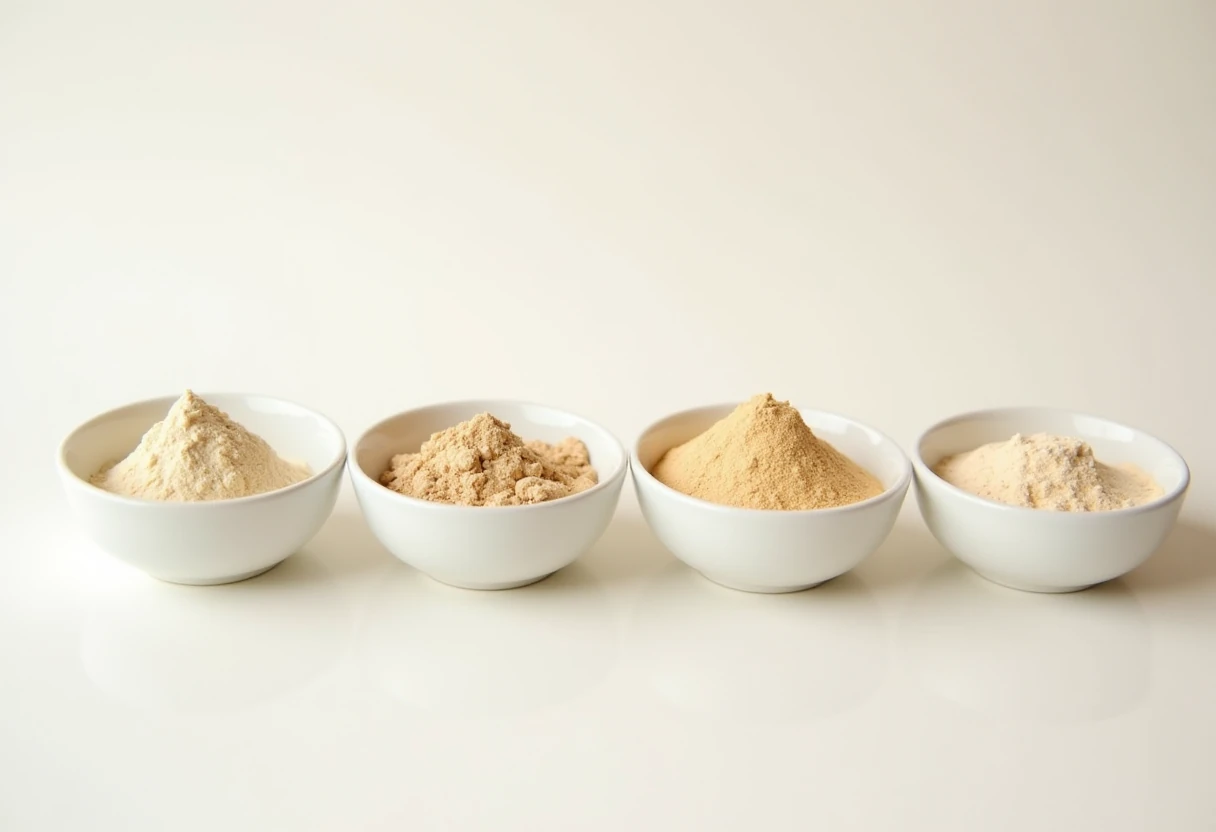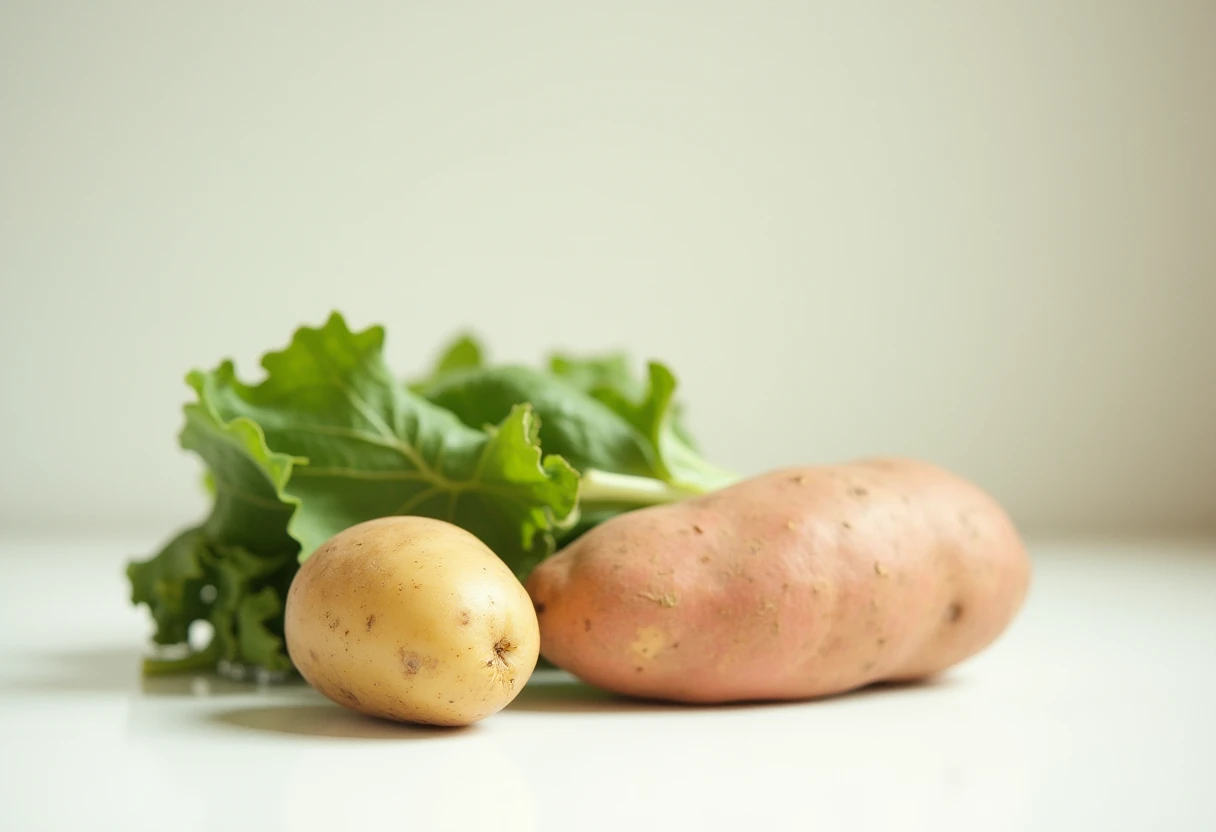
Allergen free protein means a protein source that excludes the nine major food allergens the FDA requires to be declared on labels: milk, eggs, fish, shellfish, tree nuts, peanuts, wheat, soy, and — since 2023 — sesame. Most popular protein powders are built on at least one of them. Whey and casein come from milk. The most common plant isolate, soy, is itself a top-nine allergen.
Allergen free protein is protein from a source that contains none of the nine FDA major allergens (milk, eggs, fish, shellfish, tree nuts, peanuts, wheat, soy, sesame). Sources outside that list include pea, rice, hemp, and potato protein isolate. Potato protein is not on the FDA major-allergen list and a 2021 review in Food Research International describes it as a high-quality, allergy-free source, though anyone with a diagnosed potato allergy should still avoid it.
This guide is the hub for everything allergen-related: which sources avoid which allergens, how cross-contamination happens during manufacturing, what “gluten-free” certification actually guarantees, and how to read a label that isn’t hiding anything behind a proprietary blend. Each section links to a deeper article on its specific concern.
Protein Sources by Allergen Status
The table below maps common protein sources against the FDA major-allergen list. “On the top-nine list” is the legal definition that triggers mandatory label declaration — it is the single most useful filter when you are scanning for safety.
| Protein source | Primary allergen group | On FDA top-9 list? | Notes |
|---|---|---|---|
| Whey / casein | Milk | Yes | Triggers milk allergy; concentrate also carries lactose |
| Egg white | Egg | Yes | Near-complete amino acid profile, but a top allergen |
| Soy protein isolate | Soy | Yes | Common in blends; itself a major allergen |
| Wheat / seitan | Wheat (gluten) | Yes | Unsuitable for celiac disease and wheat allergy |
| Pea protein | Legume | No | Not top-9, but a legume; often high in FODMAPs |
| Rice protein | Grain (gluten-free) | No | Low allergenicity; lower lysine |
| Hemp protein | Seed | No | Not top-9; lower protein density |
| Collagen | Bovine or fish | Fish versions: yes | Incomplete protein; check the animal source |
| Potato protein isolate | Potato (nightshade) | No | Not top-9; 80–95% protein on a dry basis |
What Makes a Protein “Allergen-Free”?
Allergen-free is not an absolute. It is shorthand for “free of the allergens most people react to.” The FDA requires any protein derived from a major food allergen to be declared on the label, and potato is not on that list. That regulatory fact is why potato, pea, rice, and hemp proteins are routinely marketed for allergen-restricted diets — they sit outside the top nine.
But “not a major allergen” is different from “incapable of causing a reaction.” Allergy is individual. The honest framing is this: a single-ingredient powder from a non-top-nine source removes the most common triggers and gives you exactly one protein to evaluate against your own history. That is the entire argument for radical simplicity. For why a one-item ingredient list matters in practice, see our guide to single-ingredient protein powder.
If your concern is autoimmune rather than classic IgE allergy, the relevant filter is different again — the Autoimmune Protocol restricts grains, legumes, dairy, eggs, nightshades, and more. We cover what passes that stricter screen in our article on AIP protein powder.
Dairy-Free Protein
Dairy-free protein is any protein not derived from milk — which rules out whey and casein, the two most common powder bases. Milk is the most frequently reported food allergen in children and a separate problem for the majority of the world’s adults, who lose lactase activity after childhood. Plant isolates and egg white are the usual replacements; egg, however, is its own major allergen.
There are two distinct reasons to go dairy-free, and they are often confused. A milk allergy is an immune response to milk proteins. Lactose intolerance is a digestive problem with milk sugar — and notably, Monash University reports that whey protein isolate undergoes enough processing to leave very little lactose, while whey concentrate retains more of it. So an isolate may be tolerable for the lactose-intolerant but is still off-limits for the milk-allergic.
We separate those two cases in detail in dairy-free protein powder and protein powder for dairy intolerance. The short version: if you have a true milk allergy, you need a source with no milk-derived component anywhere on the ingredient line.
Soy-Free Protein
Soy-free protein matters because soy is both a top-nine allergen and one of the most widely used plant isolates in the supplement industry. It appears not only as the headline ingredient but inside blends and as soy lecithin, an emulsifier. Reading “soy-free” on the front of a tub does not always survive a careful read of the back.
Soy protein isolate is a complete protein and stimulates muscle protein synthesis effectively — research has shown soy and whey can produce different synthesis responses despite identical PDCAAS values. For someone avoiding soy, though, none of that is usable. The replacement question is what gives you a comparable amino acid profile without the allergen.
Soy also hides in proprietary blends, where it can be one of many unlisted-by-quantity ingredients. We walk through how to spot it — and why blends are a problem for anyone with an allergy — in protein powder without soy.
Gluten-Free Protein
Gluten-free protein means a product with no wheat, barley, or rye protein and verified gluten content below regulatory limits. The FDA defines “gluten-free” as less than 20 parts per million (ppm). The Gluten-Free Certification Organization (GFCO), a program of the Gluten Intolerance Group, sets a stricter threshold and certifies products below 10 ppm.
For someone with celiac disease, the certification number is the part that matters — not the marketing claim. A protein can be made from an inherently gluten-free source (potato, rice, pea) and still pick up gluten during manufacturing if the facility also handles wheat. That is why the testing threshold, not just the ingredient, is the meaningful guarantee. Potato protein is intrinsically gluten-free; a 2021 review in Food Research International and several market reports describe it as a gluten-free, allergy-free source.
If you want to understand what the ingredient itself is and how it is processed, start with what is potato protein. The certification you should look for is covered alongside other label checks below.
Cross-Contamination and Third-Party Testing
Cross-contamination is when an allergen-free product picks up an allergen — or a contaminant like heavy metals — during shared manufacturing. It is the gap between what the ingredient list says and what is actually in the tub, and it is why third-party testing exists. A “may contain milk” advisory line is a manufacturer signaling shared equipment.
The contamination problem extends beyond allergens. In the Clean Label Project’s 2025 Protein Study 2.0, independent testing of 160 protein powder products from 70 brands across 35,862 data points found that 47% exceeded at least one federal or state safety standard (California Proposition 65), and plant-based powders averaged five times more cadmium than whey-based varieties. Consumer Reports’ 2025 testing of 23 products found lead levels in plant-based products averaged nine times higher than dairy-based powders. Neither finding is a reason to avoid plant protein — it is a reason to demand a Certificate of Analysis.
A Certificate of Analysis (COA) is the lab document showing what a specific batch actually contains. For how to read these documents and what certifications mean across brands, see protein powder third-party testing. Some plant-based ready-to-drink (RTD) shakes, for example, certify their products free from the top eight allergens — a useful model of disclosure to look for on any label.
Reading the Label: Fillers, Blends, and Hidden Allergens
The label is where allergen-free claims are won or lost. The two structures that hide allergens are long ingredient lists with sub-ingredients and proprietary blends that group multiple proteins under one undisclosed total. A blend lets a manufacturer add a small amount of soy or a milk derivative without quantifying it — legal, but unhelpful if you are scanning for safety.
Beyond the protein itself, the additives are where reactions and intolerances hide: emulsifiers, gums, artificial sweeteners, and “flavors” that aren’t broken down. We catalog which ingredients are worth questioning in is protein powder safe, and why a short list beats a long one in protein powder without fillers.
Proprietary blends deserve their own warning for allergen-aware buyers, because they defeat the entire purpose of label reading. We explain the mechanism in protein powder proprietary blends.
FODMAPs and Digestive Tolerance
An allergen-free protein can still cause digestive trouble, because FODMAPs — fermentable carbohydrates that trigger IBS symptoms — are a separate issue from allergens. Monash University notes that plant proteins such as soy and pea can be difficult to purify and often retain FODMAPs like GOS and fructans, and that protein powders running 70–90% protein can still carry enough FODMAPs to provoke symptoms.
This is one area where the source genuinely differs. Monash classifies potato protein as a low-FODMAP source. For whey, the isolate carries less of the FODMAP lactose than the concentrate, because the additional processing strips it out. So digestive tolerance and allergen status are two filters you have to apply separately.
If reactions are your main concern, our deeper coverage lives in FODMAP-friendly protein powder, protein powder for IBS, and why protein powder causes bloating.
Is Potato Protein Allergen-Free?
Potato protein is not on the FDA’s nine-allergen list, and multiple reviews describe it as allergy-free — but it is not allergen-free for everyone. A 2021 review in Food Research International concludes potato protein can be used in allergen-free products due to its non-allergic properties, and reports an Amino Acid Score of 65%. That is the optimistic, accurate framing for the general population.
The honest caveat: potato is a nightshade, and it does contain proteins that can be allergenic. A 2018 murine study in Molecular Immunology identified patatin and a 53 kDa protein as the potential allergens in potato. The Center for Research on Ingredient Safety at Michigan State University is blunt about it: if you have a potato allergy, you should not consume potato protein, because the allergen is still present. Reassuringly, cross-reactivity is allergen-specific rather than universal — a 1999 study found no cross-reactivity between a specific latex allergen and potato patatin.
On quality, the source holds up. The 2020 McMaster study by Oikawa and colleagues, published in Nutrients, found that 25g of potato protein isolate taken twice daily stimulated muscle protein synthesis at rest and after resistance exercise in young women — direct evidence that an allergen-free plant source can perform like an animal protein for that outcome. The Digestible Indispensable Amino Acid Score (DIAAS) for potato protein isolates has been reported as high as 100% in Food Science & Nutrition (Herreman et al.). For the full ingredient breakdown, see what is potato protein.