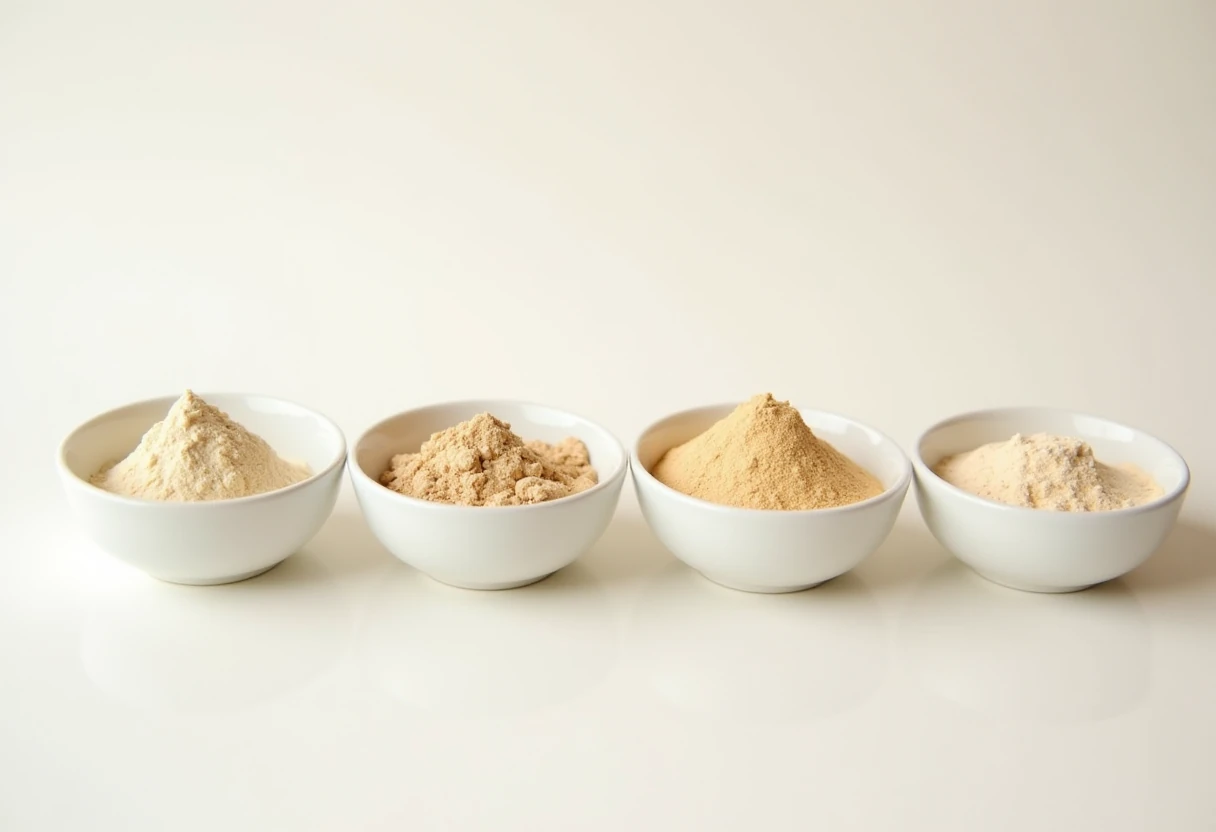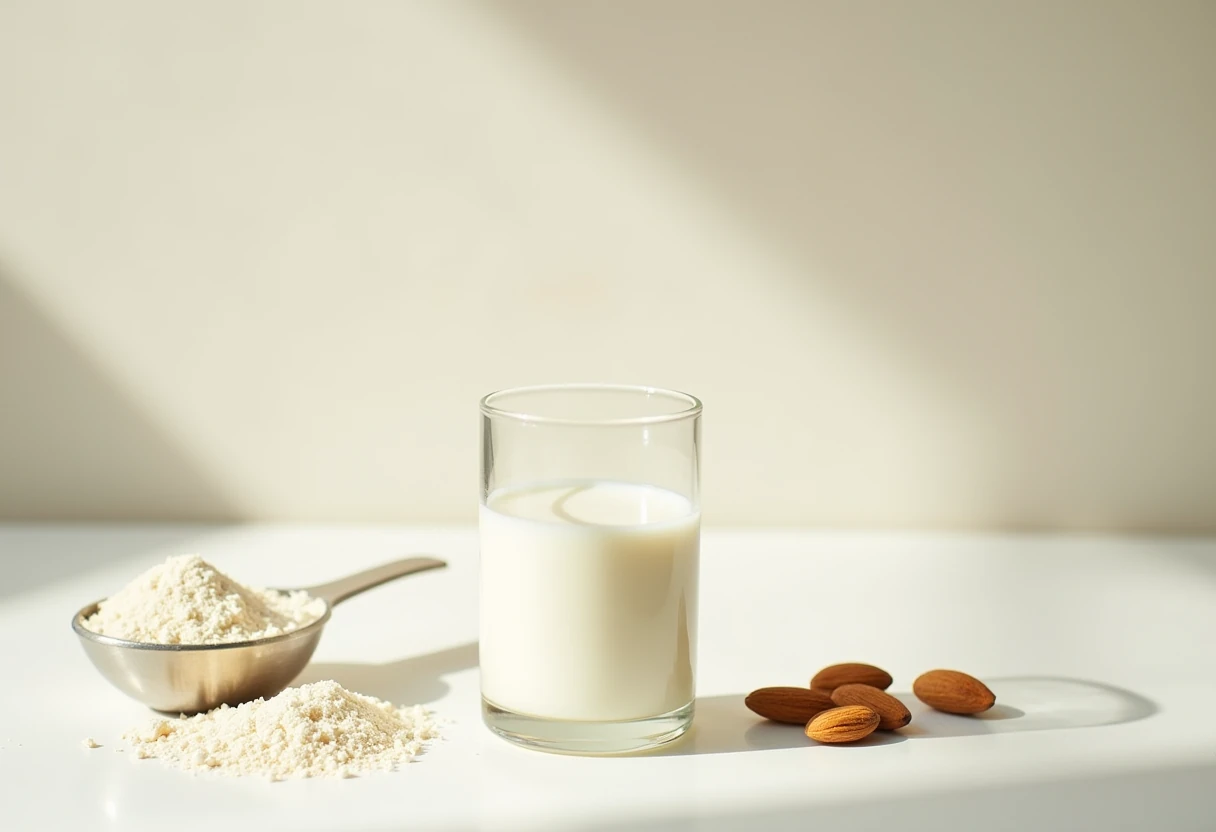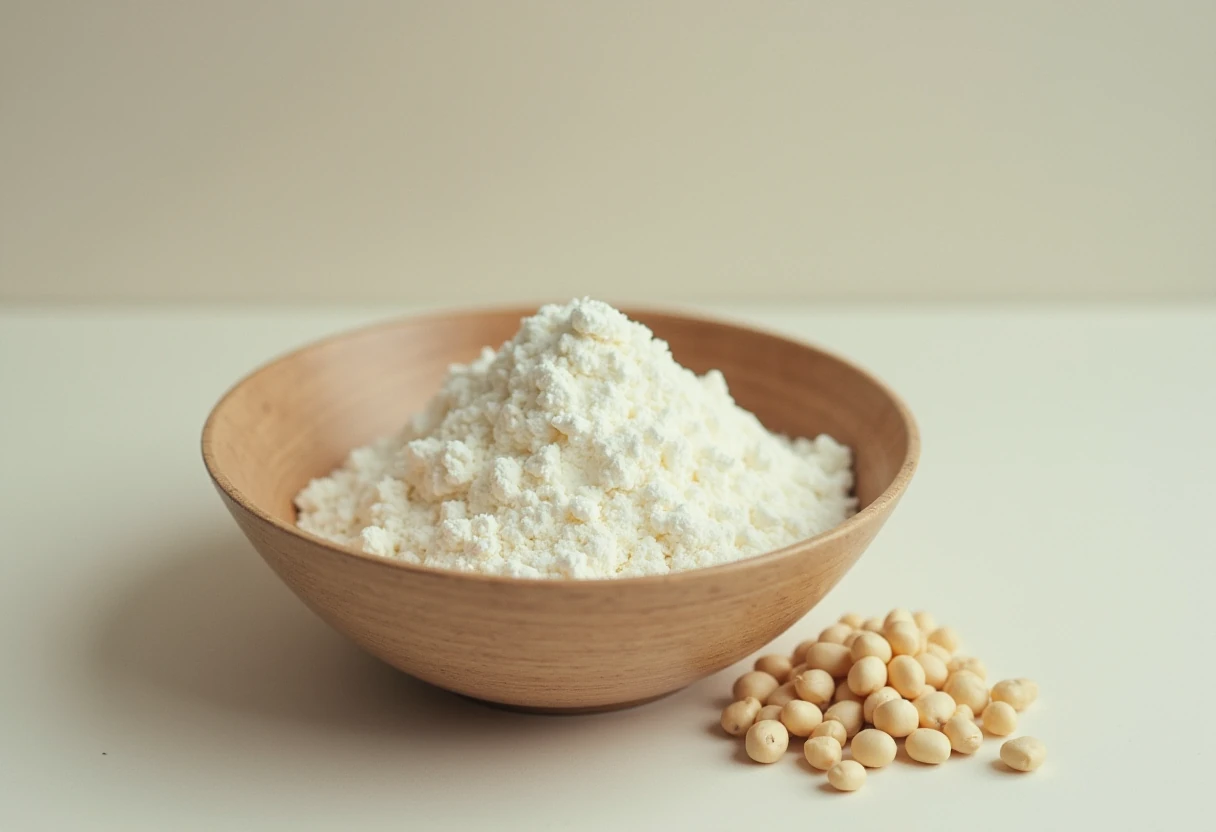
Finding protein powder without soy is harder than it should be, because soy is both one of the FDA’s top-nine recognized food allergens and one of the cheapest fillers in the plant-protein aisle. Soy protein isolate, soy protein concentrate, and soy lecithin turn up in hundreds of blended powders — often listed near the bottom of the panel where a tired shopper stops reading. This guide explains where soy hides, how to decode the label, and which soy-free powders we’d actually buy.
Protein powder without soy means no soy protein isolate, soy protein concentrate, soy lecithin, soybean oil, or textured vegetable protein on the label. The most reliable soy-free options are single-ingredient powders — potato, pea, rice, or whey isolate with nothing added. Soy protein isolate itself scores a PDCAAS of 1.00, the maximum, so soy is avoided for allergy, cross-contamination, or phytoestrogen reasons, not because it is low quality.
We evaluated soy-free powders the way a label-reader would: ingredient by ingredient, then on protein quality, allergen handling, and third-party testing.
Top Options by Category
Potato Protein Isolate (single-ingredient)
Strongest all-around plant option for soy avoidance
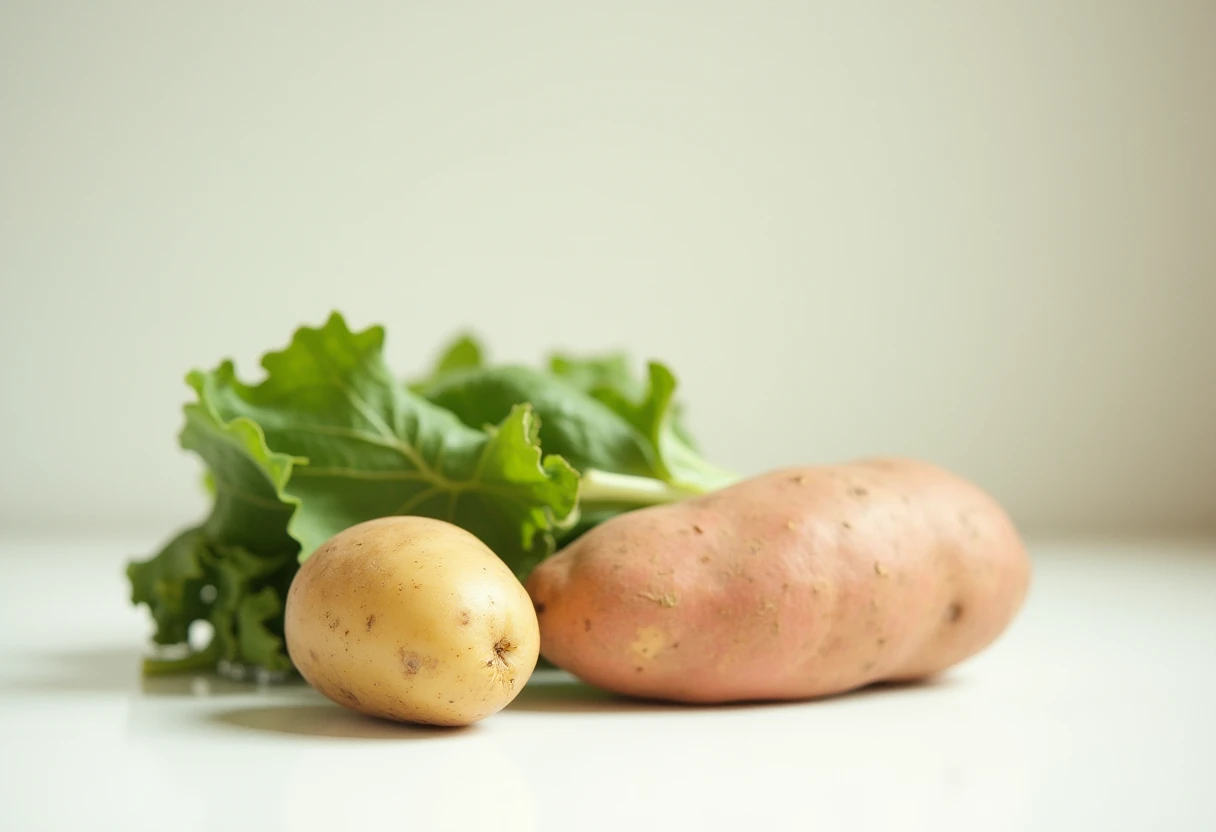
One ingredient: potato protein isolate. No soy protein, no soy lecithin, no emulsifier of any kind — because there is nothing in the bag but the protein itself. That structure removes the most common entry points for soy in the first place. Protein quality holds up: a 2020 study found 25 g of potato protein isolate taken twice daily stimulated muscle protein synthesis in young women (Nutrients, PMID:32349353), and potato protein isolate has been reported with a DIAAS as high as ~100% (1.0). It is also a low-FODMAP protein source per Monash University (2019). If you want to understand the raw material, see what potato protein actually is.
Pros:
- Single ingredient — no soy lecithin, no hidden emulsifiers
- Safe for dairy, egg, nut, and soy allergies
- DIAAS reported as high as ~100% (1.0); low-FODMAP
Cons:
- Earthy taste — it disappears into food better than it dissolves in water
- Unsweetened only; you flavor it yourself
Single-Ingredient Pea Protein
Best soy-free plant option for most people
A single-ingredient pea protein is exactly that: yellow pea protein isolate and nothing else, so there is no soy lecithin to scan for. Pea covers the essential amino acids well, though its limiting amino acid is the methionine-plus-cysteine pair, averaging around 2.6 g/100 g of protein across newer pea genotypes. Leucine sits around 8 g/100 g. It is a sound soy-free choice for anyone who tolerates legumes.
Pros:
- Single ingredient — soy-free by construction
- Widely available, neutral enough to blend
Cons:
- Pea is a legume, like soy — relevant for some multi-legume sensitivities
- Lower in methionine and cysteine
- Plant powders run higher on cadmium; check the test results
Whey Protein Isolate (single-ingredient)
Best soy-free option if you tolerate dairy
A plain whey protein isolate — 90 to 95% protein and under 1% lactose — is usually soy-free, but this is exactly where soy lecithin sneaks in as an instantizing agent in flavored blends. Buy the unflavored single-ingredient version and read the panel. Whey scores 1.00 on PDCAAS and is consistently effective at stimulating muscle protein accretion (The American Journal of Clinical Nutrition, PMID:21367943). Not an option for dairy allergy; useful if your only avoidance is soy. If dairy is the problem, see our guide to protein for dairy intolerance.
Pros:
- High leucine, fast absorption, PDCAAS of 1.00
- Lower heavy-metal load than most plant powders
Cons:
- Flavored whey often adds soy lecithin — read carefully
- Contains dairy; not for milk-allergic or vegan buyers
Organic Plant-Based Blend
Best soy-free flavored blend
If you want a flavored plant-based blend rather than a single ingredient, an organic plant-based blend is worth a look. Organic plant-based blends typically provide somewhere around 15 to 20 g of plant-based protein per serving, and stevia-free versions exist that provide 15 g of protein with 0 g of sugar. These blends are usually pea-and-rice based rather than soy based — but a multi-ingredient blend has more places for soy lecithin to appear, so confirm the current panel before each reorder.
Pros:
- Soy-free formulas with real flavor options
- Organic sourcing; around 20 g per serving
Cons:
- Multi-ingredient blends require closer label-reading
- Certified-organic plant powders averaged three times the lead of non-organic in 2025 testing
What to Look For on Your Own
The picks above are a starting point, not a permanent answer — manufacturers reformulate, and a soy-free product today can carry soy lecithin next quarter. Here is how to verify a soy-free powder yourself, and what the soy debate is actually about.
Why soy shows up almost everywhere
Soy is in so many powders for one reason: it is inexpensive and it works. Soy protein isolate and concentrate are among the cheapest ways to raise the protein number on a blended product, and soy lecithin is a low-cost emulsifier and texturizer that keeps powders from clumping and helps them mix into water. Soy lecithin alone appears in hundreds of packaged foods. None of this makes soy a bad protein — soy protein isolate scores a PDCAAS of 1.00, the maximum (J Agric Food Chem, Hughes et al., 2011, PMID:22017752), and soy and potato isolates both reach a DIAAS at or above ~100% (1.0). People avoid soy for allergy, cross-contamination, or hormonal-concern reasons, not because it underperforms.
How to identify soy on a label
Soy hides under several names. Scan the full ingredient list — not just the bold “Contains” line — for: soy protein isolate, soy protein concentrate, soybean oil, soy lecithin (sometimes written as lecithin without a source), and textured vegetable protein (TVP), which is almost always soy. In the United States, soy is a major allergen and must be declared, so a clear “Contains: Soy” statement is a fast filter. The trickier cases are emulsifiers and flavor carriers, where lecithin can appear without an obvious “soy” prefix. When the source of lecithin is not stated, treat it as unconfirmed and check with the manufacturer. The cleanest way to skip the whole exercise is a single-ingredient powder — there is nothing to investigate. For the broader category, our allergen-free protein guide walks through every major allergen, not just soy.
Cross-contamination: “contains soy” versus “made in a facility that also processes soy”
These two warnings are not the same, and the difference matters enormously depending on how reactive you are.
“Contains soy” (or soy in the ingredient list) means soy is an intended component of the product. Avoid it for any level of soy avoidance.
“Manufactured in a facility that also processes soy” — and the related “may contain soy” or “processed on shared equipment” — are advisory statements. They are voluntary in the United States and signal possible trace cross-contamination from other products made on the same lines. For someone avoiding soy for phytoestrogen or digestive reasons, these advisories are usually a non-issue. For someone with a diagnosed, severe IgE-mediated soy allergy, a shared-facility statement can be enough to disqualify a product, because trace exposure can trigger a reaction. There is no required testing threshold behind these advisories, so they describe risk, not a measured amount. If your allergy is severe, choose products with a dedicated allergen-free facility or, again, a single ingredient with no advisory at all.
The phytoestrogen question
Soy contains isoflavones, which act as weak phytoestrogens — plant compounds that can bind estrogen receptors far more weakly than the body’s own estrogen. This is the source of most soy anxiety. What the research actually shows is reassuring for ordinary food and supplement amounts: across most human evidence, soy isoflavones at dietary quantities have not been shown to disrupt hormones in men or women, and soy protein has shown favorable effects on serum lipids, lowering LDL and triglycerides. That said, many people prefer to avoid soy isoflavones entirely — for personal, hormonal, or thyroid-related reasons — and that is a legitimate choice. A soy-free powder removes the question without requiring you to adjudicate the literature.
Soy status by protein type
This table is a quick reference for where soy tends to appear. “May contain” means the protein source itself is soy-free, but the category is commonly sold in blends that add soy protein or soy lecithin — read the specific product.
| Protein source | Soy status | What to check |
|---|---|---|
| Potato protein isolate (single-ingredient) | Soy-free | Nothing — one ingredient |
| Pea protein isolate (single-ingredient) | Soy-free | Confirm no added lecithin |
| Rice protein | Usually soy-free | Often sold blended; check panel |
| Whey isolate | Usually soy-free | Flavored versions may add soy lecithin |
| Plant-based blends | May contain | Soy protein and soy lecithin are common |
| Soy protein isolate / concentrate | Contains soy | Soy is the protein |
| Textured vegetable protein (TVP) | Contains soy | Almost always soy-derived |
Don’t forget heavy metals
Going soy-free often means going plant-based, and plant powders carry a separate concern. In the Clean Label Project’s 2025 Protein Study 2.0, plant-based powders contained five times more cadmium than whey-based varieties, and certified-organic powders averaged three times the lead of non-organic ones. Consumer Reports tested 23 products in October 2025 and found lead in plant-based powders averaged nine times higher than in dairy-based powders. None of this argues against soy-free — it argues for buying from brands that publish independent test results.