If you want protein powder without dairy, the first thing to fix is the label vocabulary, because three terms that sound interchangeable are not. “Dairy-free” means no milk proteins at all. “Lactose-free” means the milk sugar has been removed while whey and casein remain. And “non-dairy,” under USDA labeling convention, can still legally contain casein — which is why non-dairy coffee creamers list it. For a milk allergy, that gap is the whole story.
Protein powder without dairy contains no whey, casein, or milk-derived ingredients — distinct from “lactose-free” (milk sugar removed, but casein and whey still present) and “non-dairy” (a USDA term that permits casein). For a true milk allergy, only a dairy-free product is safe; lactose-free is sufficient only for lactose intolerance. The most digestible single-ingredient options are potato protein isolate (DIAAS reported as high as 100%), pea protein, and rice protein.
Here is how we evaluated dairy-free protein powders, and the three single-ingredient options we think deserve a place on your shortlist.
Top Options by Category
Potato Protein Isolate (single-ingredient)
Strongest all-around plant option
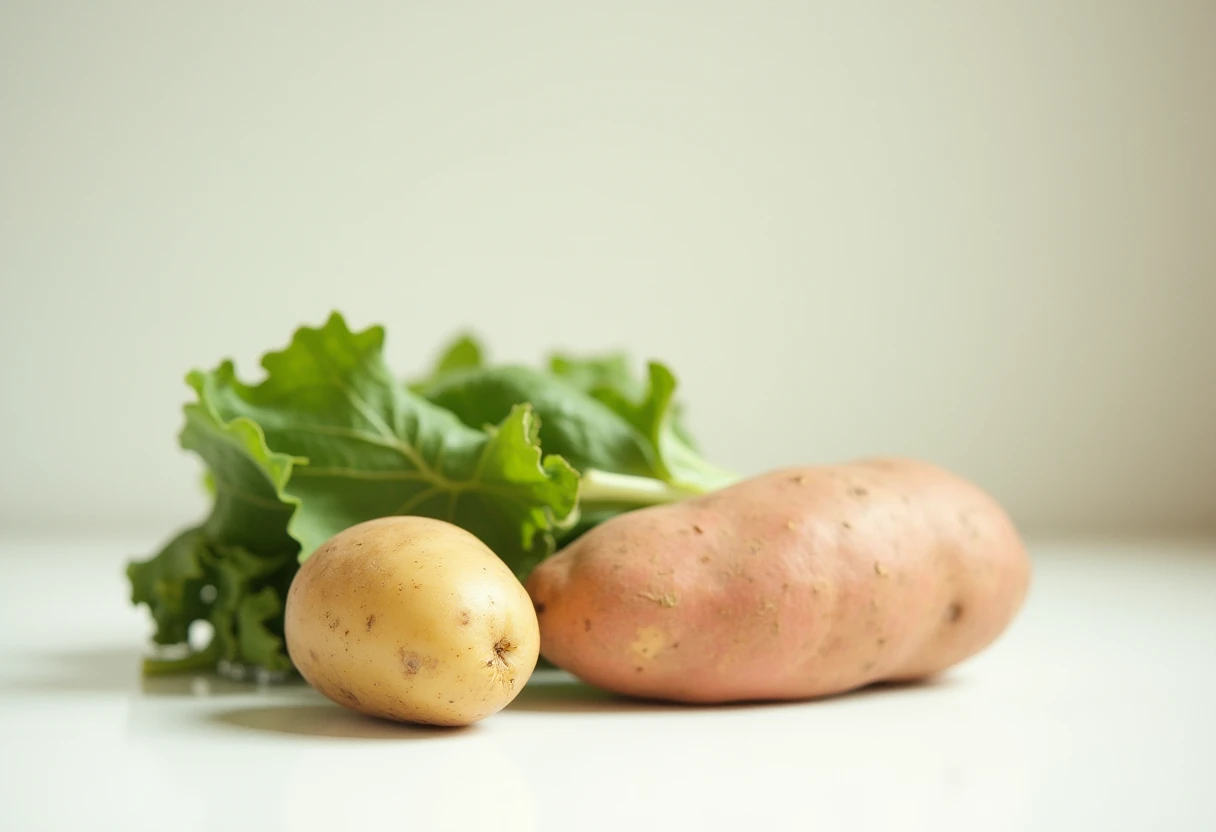
Potato protein isolate is one ingredient: potato protein. No dairy, no soy, no gluten, no nuts, no eggs. It is described in the literature as a high-quality, allergy-free protein source (Food Research International, 2021, PMID:34507729), with a DIAAS reported as high as 100% (Food Science & Nutrition, Herreman et al., 2020, PMID:33133540) — which is unusual for a plant protein. A controlled trial found that 25g of potato protein isolate twice daily stimulated muscle protein synthesis at rest and with resistance exercise in young women (Nutrients, 2020, PMID:32349353). It is also classed as low-FODMAP by Monash University, which matters if dairy was bothering your gut in the first place.
Pros:
- Single ingredient — nothing to cross-react with
- DIAAS reported as high as 100%; among the highest protein-quality scores of any plant source
- Documented muscle protein synthesis response (Nutrients, 2020)
- Low-FODMAP (Monash University)
- Free of all top-nine allergens
Cons:
- Fewer brands carry it than pea or whey
- Unflavored versions have a mild, slightly earthy taste in water
- Limited flavored options compared with mainstream powders
Single-Ingredient Pea Protein
Best mainstream option
Pea protein is the most widely stocked dairy-free option, and single-ingredient versions exist — a single-ingredient pea protein is just yellow pea protein, nothing else. It is high in lysine (averaging 7.9 g per 100g of protein across studied genotypes) and carries a respectable leucine content of about 7.1 g per 100g (Molecules, 2024, PMID 39519674). The catch is its limiting amino acids: methionine plus cysteine average only 2.6 g per 100g, a chemical score of about 46%, which is why some manufacturers pair pea with rice. Worth noting for sensitive stomachs: Monash University reports that pea protein can contain FODMAPs such as GOS and fructan.
Pros:
- Widely available, including single-ingredient versions
- High in lysine; solid leucine content
- No dairy, gluten, or egg
Cons:
- Limited in sulfur amino acids (methionine + cysteine)
- Can contain FODMAPs that trigger IBS symptoms (Monash University)
- Legume — relevant if you avoid legumes
Brown Rice Protein
Mildest flavor
Rice protein has the most neutral taste of the three and is reliably dairy-, soy-, and gluten-free, which makes it a sensible choice for people who react to a long list of inputs. It was one of the proteins assessed alongside whey and potato in a study of glycaemic regulation and appetite (Nutrients, 2021, PMID:34201703). On its own it is limited in lysine, so it is frequently blended with pea to round out the amino acid profile — and because it is a plant protein grown in soil, third-party heavy-metal testing is something to confirm before you buy.
Pros:
- Mildest, most neutral flavor of the three
- Dairy-, soy-, and gluten-free
- Generally well tolerated
Cons:
- Low in lysine; often blended to complete the profile
- Plant-source heavy-metal testing is essential
- Lower protein quality on its own than potato isolate
How These Dairy-Free Proteins Compare
The table below puts the picks beside two dairy and animal reference points so you can see where each one sits on protein quality and allergen overlap. PDCAAS values for egg and wheat gluten come from the standard reference table (Journal of Nutrition, 2000, PMID:10867064).
| Source | Type | Dairy-free? | Protein quality | Common allergen overlap |
|---|---|---|---|---|
| Potato protein isolate | Plant | Yes | DIAAS reported as high as 100%; among the highest of any plant protein | None of the top nine |
| Pea protein isolate | Plant (legume) | Yes | High lysine; limited in methionine + cysteine (chemical score ~46%) | Legume |
| Rice protein | Plant | Yes | Moderate; low in lysine on its own | None of the top nine |
| Whey isolate | Dairy | No | 90–95% protein, <1% lactose; high quality | Milk |
| Egg white | Animal | Yes | PDCAAS 1.00 | Egg |
Note the trap in row four: whey isolate contains less than 1% lactose. That is precisely why a “lactose-free” or low-lactose whey is marketed as gentle — and precisely why it is unsafe for a milk allergy. The whey protein itself is still milk protein. Removing lactose does nothing for a casein or whey allergy.
What to Look For on Your Own
Once you understand the three labels, most of the work is reading the ingredient list rather than the front of the bag. Marketing claims live on the front; the truth lives on the back.
Confirm “dairy-free,” not “non-dairy.” Because the USDA definition of “non-dairy” permits casein, a product can carry that phrase and still contain a milk protein. For a milk allergy, scan the ingredient list and the bold “Contains” allergen statement for milk, whey, casein, caseinate, and lactalbumin. If any appear, it is not for you regardless of front-label language. Our broader allergen-free protein guide walks through the full top-nine allergen vocabulary if you are vetting for a child or an autoimmune condition.
Treat lactose intolerance and milk allergy as different problems. If lactose is your only issue, a lactose-free whey may work fine and digestibility is excellent. If you have a true IgE milk allergy or react to casein, you need a plant or non-milk protein with no shared milk fraction. The distinction is not pedantry — it changes which entire category is safe.
Take cross-contamination seriously. A formula can be dairy-free by recipe and still pick up trace milk protein if it is blended, milled, or packed on equipment that also runs whey. For most lactose-intolerant buyers this is a non-issue. For a milk-allergic child it can matter. Look for allergen-specific testing and a manufacturer willing to publish documentation.
Check for third-party heavy-metal testing. This is the honest caveat on plant proteins. The Clean Label Project’s 2025 Protein Study 2.0 tested 160 products across 70 brands and found 47% exceeded at least one federal or state safety standard, with plant-based powders carrying five times the cadmium of whey-based varieties. Consumer Reports (2025) separately found plant-based products averaged nine times more lead per serving than dairy-based powders. None of this makes plant protein unsafe — it makes independent testing the deciding factor between two otherwise similar bags.
Prefer the shortest ingredient list you can find. A single-ingredient powder has nothing in it to react to beyond the protein itself, which is the entire logic of the category for allergy and autoimmune buyers. If you are building a routine around minimal inputs, our note on what potato protein actually is covers how a one-ingredient isolate is made.