AIP protein powder is one of the hardest supplement categories to shop for, because the autoimmune protocol eliminates grains, legumes, eggs, dairy, nuts, and seeds in its strictest phase — which removes pea, whey, soy, egg white, hemp, rice, and almost every blend on the shelf. If you have spent twenty minutes turning over canisters reading ingredient panels and putting each one back, you already know the problem is not finding a “good” protein. It is finding one that does not contain a single banned input.
Most protein powders fail the autoimmune protocol: pea and soy are legumes, whey and casein are dairy, egg white is an egg, and hemp, sunflower, pumpkin, and chia are seeds. During the elimination phase, AIP also removes nightshades — which technically includes potato. Single-ingredient potato protein isolate is therefore not an elimination-phase food, but the tuber is a common Phase 2 reintroduction candidate, and a one-ingredient isolate gives you the simplest possible thing to test against.
- You have read the back of every protein canister in the store and put all of them back.
- You have learned that “plant-based” almost always means pea, which is a legume, which is out.
- You are tired of products that list “AIP-friendly” on the front and a seed-based emulsifier in the small print.
- You want one ingredient you can either keep or eliminate cleanly when you track a flare.
“I do not need a powder that is mostly compliant. With an autoimmune condition, mostly compliant is the same as not compliant.”
The autoimmune protocol is an elimination diet. Its logic is subtraction: remove the foods most associated with immune reactivity, stabilize, then reintroduce one at a time and watch what happens. That logic is incompatible with the way most protein powders are built, which is addition — a base protein, a sweetener, a gum, a flavor system, sometimes a second and third protein source to round out the amino acid profile. Every added ingredient is one more variable you cannot isolate when something goes wrong.
What Makes Protein Powder Harder on the AIP Diet
The protein powder aisle is organized around exactly the foods AIP removes. That is not a coincidence — pea, whey, soy, and egg are the cheapest, most available, highest-yield protein sources in food manufacturing. Here is where each common option breaks the protocol.
Pea protein fails: it is a legume
Pea is the default “plant-based” protein, and it is a legume — eliminated on AIP alongside lentils, chickpeas, peanuts, and soy. Beyond the protocol rule, pea protein is an incomplete profile on paper: its limiting amino acids are the sulfur amino acids methionine and cysteine, which run low relative to requirements. AIP closes the door before that detail even matters.
Egg protein fails: it is an egg
Egg white protein is a strong amino acid profile and a cheap industrial input, which is why it shows up in so many blends. AIP eliminates eggs entirely in the elimination phase — whites especially, since egg-white proteins are a frequent reactivity target. A label that says “egg white solids” anywhere on it is out, regardless of how the rest of the panel reads.
Whey and casein fail: they are dairy
Whey is the most-studied protein for muscle protein synthesis, and we will not pretend otherwise — its rapid digestion and high leucine content make it a benchmark. But whey and casein are both dairy, and dairy is eliminated on AIP. Whey isolate is roughly 90–95% protein with under 1% lactose, which helps people with lactose issues, but the protocol bans the source, not just the sugar.
Hemp, pumpkin, and sunflower fail: they are seeds
Seed-based proteins read as “natural” and AIP-adjacent, which is exactly the trap. Hemp, pumpkin, sunflower, and chia are all seeds, and AIP removes nuts and seeds in the elimination phase. Sunflower and pumpkin proteins in particular have crept into “allergen-free” blends as nut substitutes — compliant for a nut allergy, non-compliant for AIP.
The nightshade question: is potato allowed on AIP?
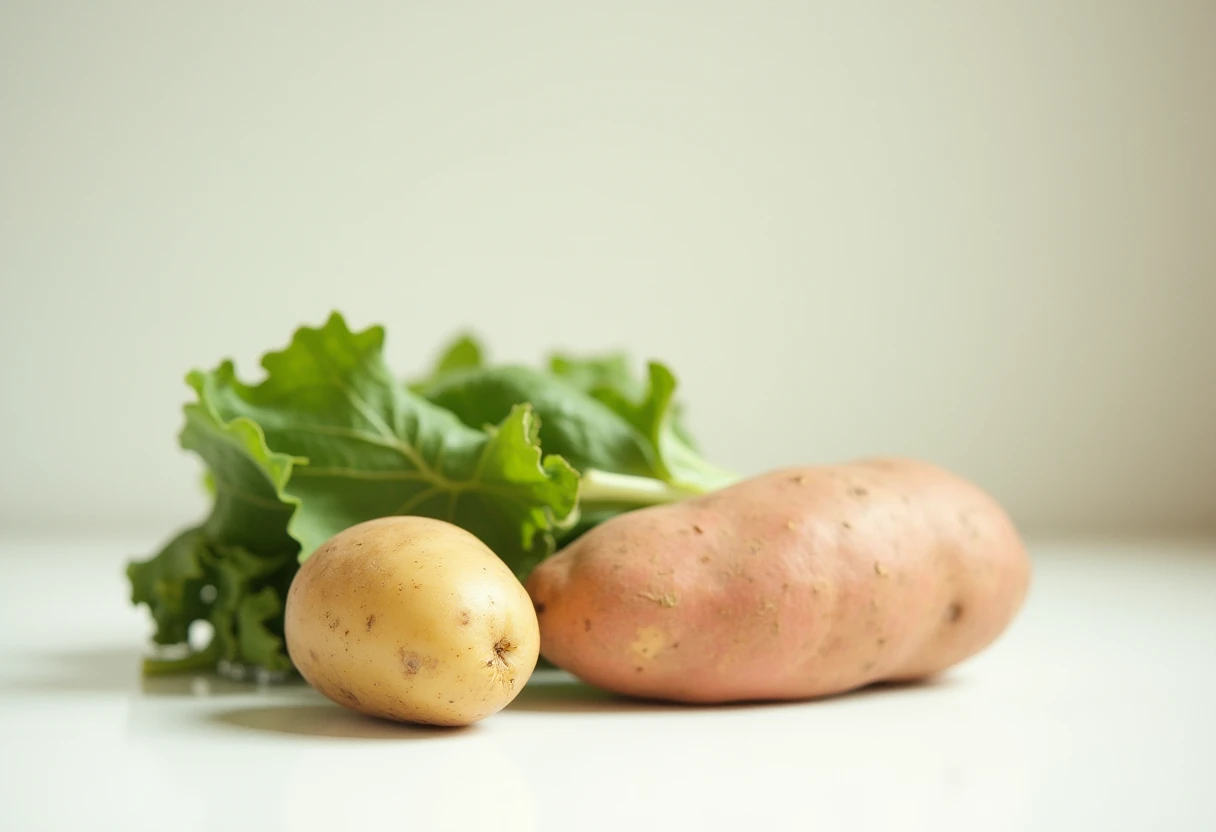
Here is the part many AIP guides gloss over: the potato is a nightshade. It belongs to the Solanaceae family alongside tomatoes, peppers, and eggplant, and the elimination phase of the autoimmune protocol removes all nightshade vegetables. So a single-ingredient potato protein isolate is not an elimination-phase food. We would be misleading you to imply otherwise.
What makes potato different from a pepper is structure. Tubers are storage organs, and AIP practitioners commonly treat potato as a Phase 2 reintroduction candidate rather than a lifetime exclusion. The glycoalkaloids that drive the nightshade concern concentrate in the skin and the green portions, and potato protein isolate is an extracted, purified fraction — typically 80–95% protein on a dry basis — not whole potato. If and when you reintroduce, a one-ingredient isolate is the cleanest possible test article: there is nothing else in the canister to confound the result. That is the honest case for it, and the honest limit on it.
What Actually Works for AIP Dieters
During strict elimination, the realistic answer is food-first protein: well-sourced meat, fish, organ meats, bone broth, and AIP-approved vegetables. No powder clears the elimination-phase rules, and anyone telling you their blend does is either ignoring nightshades, seeds, or both. If you want the full landscape of what survives a six-allergen screen, our allergen-free protein guide walks through every category and where each one breaks.
At the reintroduction stage, the case for a single-ingredient powder is about controlling variables, not chasing a number. When you reintroduce potato, you want to test the food — not a food plus a gum plus a sweetener plus a flavor system. One ingredient is the entire point. If a reintroduction goes badly, you know exactly what caused it. If it goes well, you have a low-FODMAP, allergen-light protein source to keep: potato protein isolate is low in FODMAPs because the FODMAP-bearing carbohydrates are removed during extraction, which matters disproportionately to autoimmune-aware adults who often carry IBS or other gut symptoms alongside their primary condition.
“The value of one ingredient is not purity theater. It is that I can eliminate it cleanly and know what I eliminated.”
There is a second reason minimalism matters here, and it has nothing to do with the protocol rules. The Clean Label Project’s 2025 Protein Study 2.0 tested 160 products from 70 brands across 35,862 data points and found that 47% exceeded at least one federal or state safety standard (California Proposition 65), with plant-based powders averaging five times more cadmium than whey-based varieties — testing performed by the independent lab Ellipse Analytics using ICP-MS. Separately, Consumer Reports’ October 2025 testing of 23 protein powders and shakes reported that more than two-thirds exceeded its 0.5-microgram safe daily limit for lead, with plant-based products averaging nine times the lead of dairy-based ones. Neither finding is a reason to avoid plant protein categorically — both are a reason to want third-party testing and the fewest possible inputs between the crop and the canister.
For the broader picture of why elimination diets and ingredient panels collide so often, our piece on common protein problems covers the additives, gums, and hidden allergens that derail people on restricted diets. And if you want the plain science of the ingredient itself, start with what potato protein actually is before you decide whether it earns a place in your reintroduction sequence.