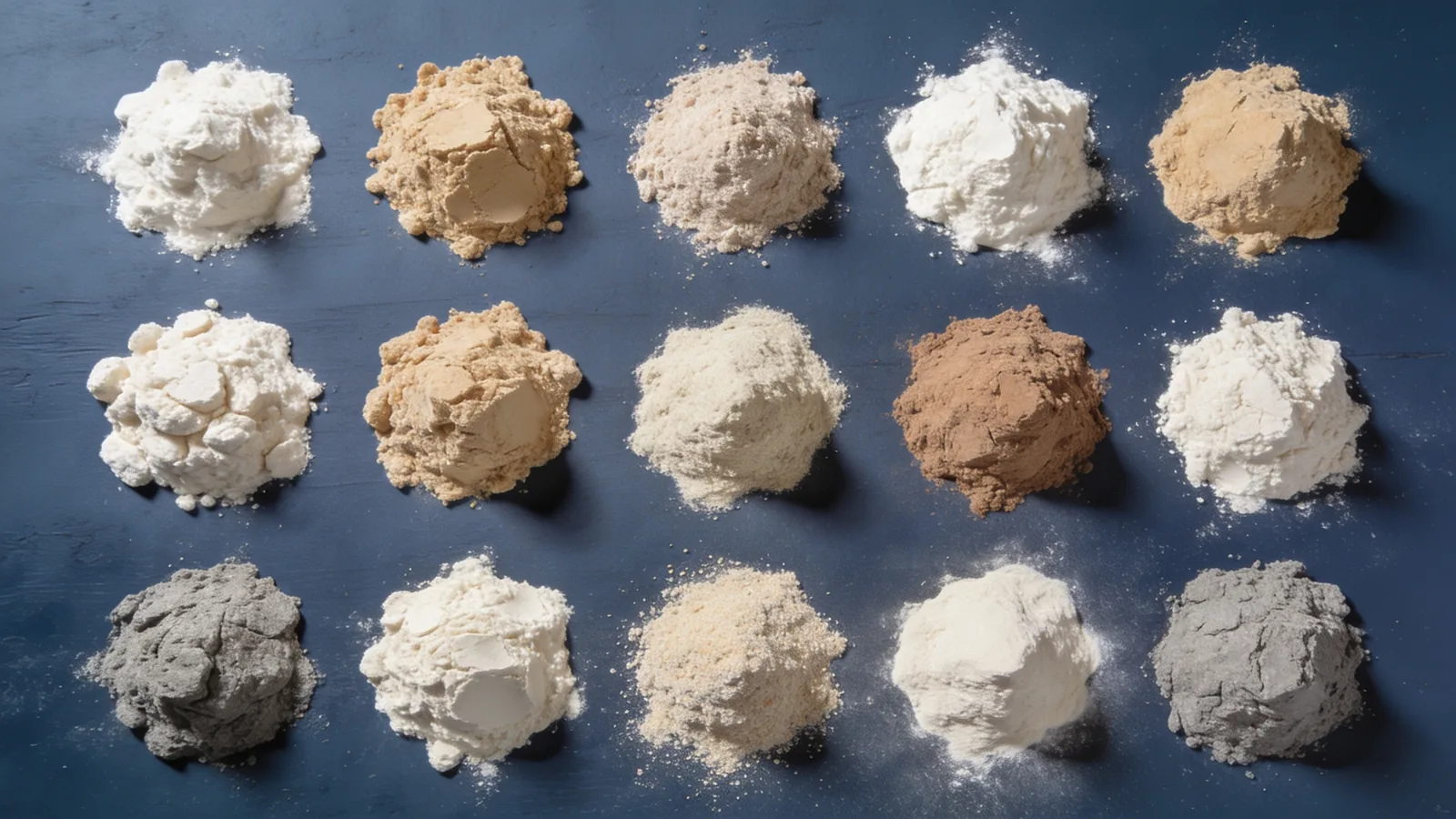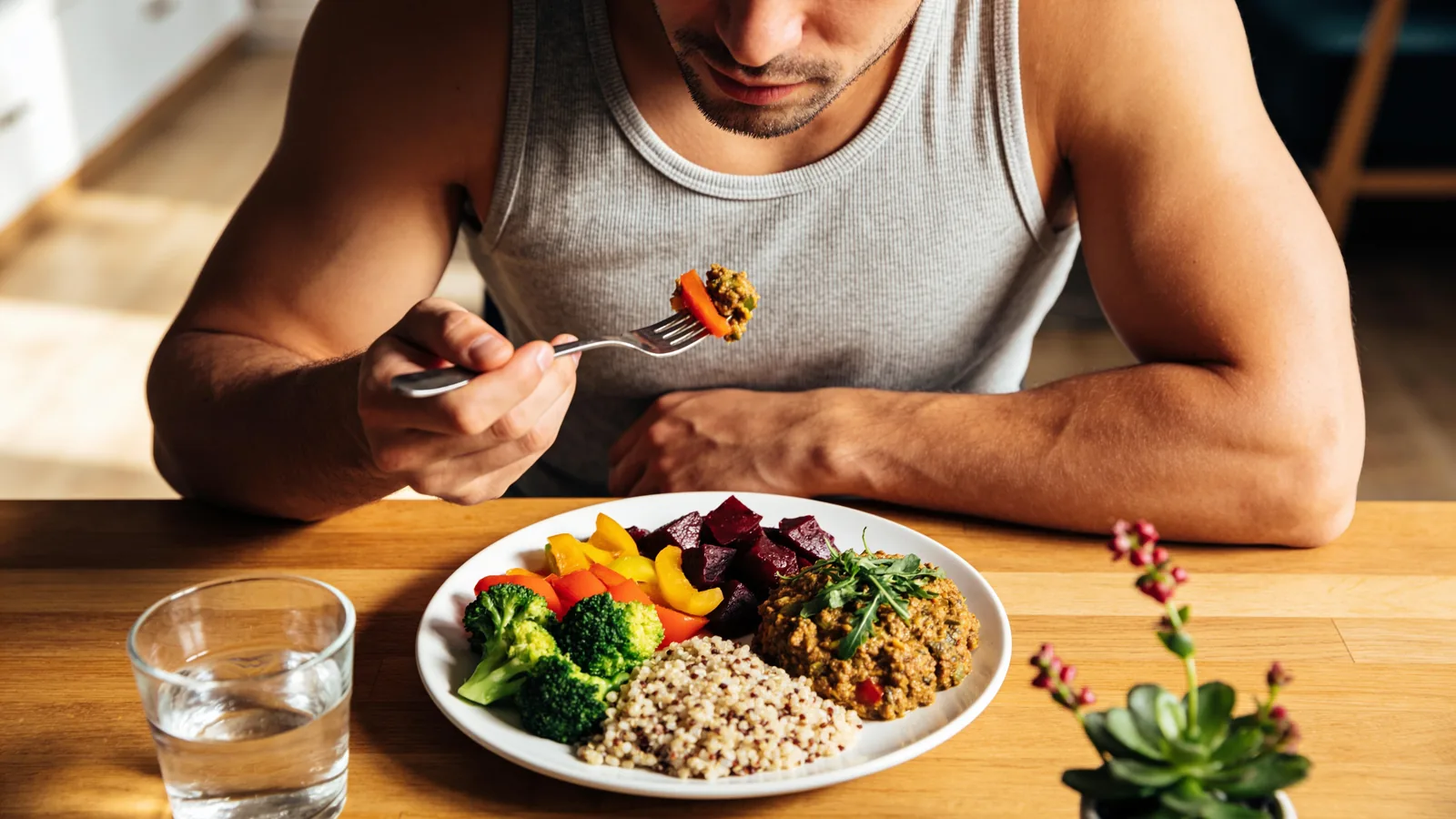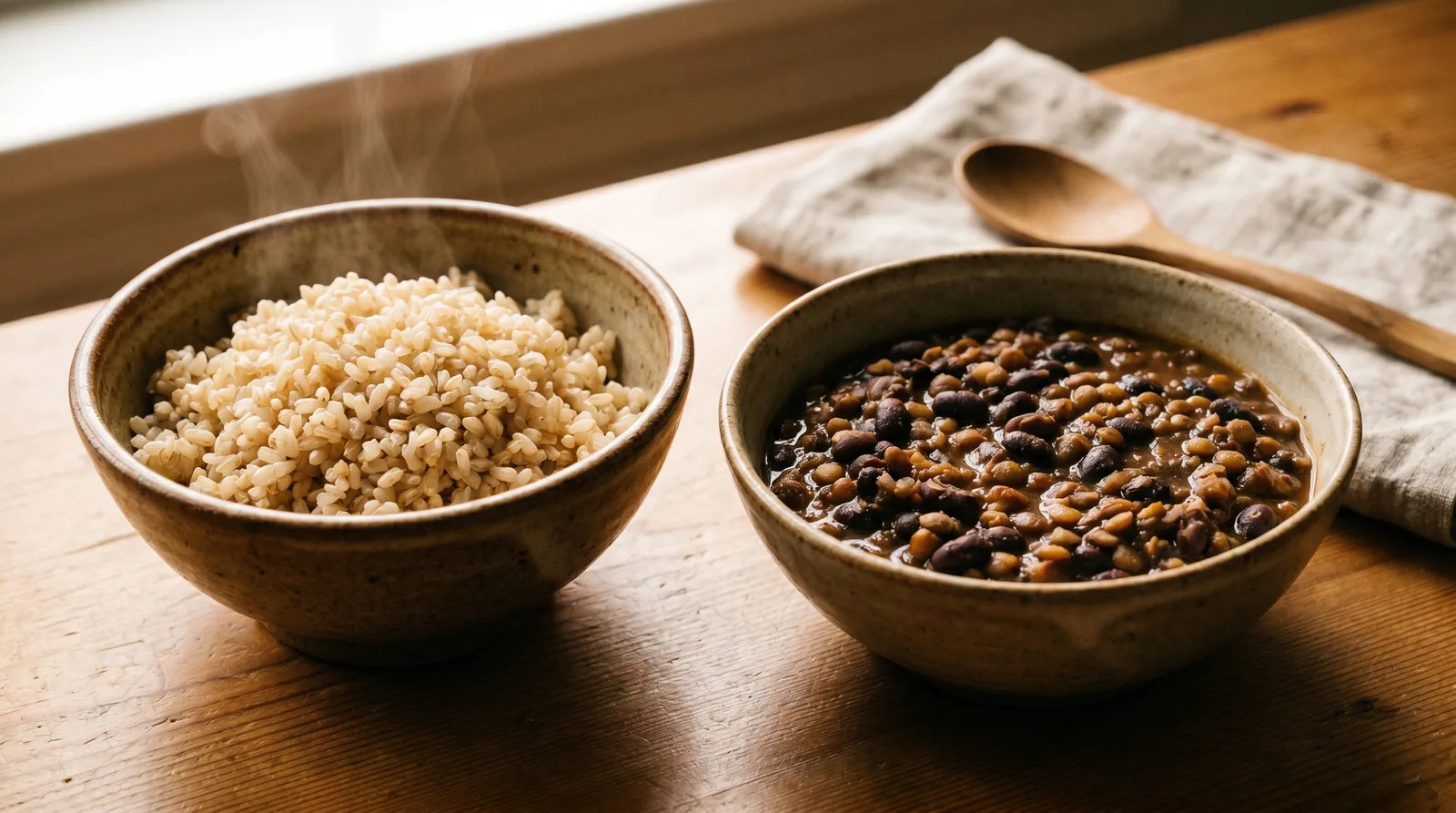
A complete protein supplies all nine essential amino acids your body cannot make on its own, in adequate amounts. Plants that are complete proteins by themselves are uncommon, which is why the standard answer to the two-vegetable question is to pair a legume with a grain — beans and rice being the textbook example. Each covers the amino acid the other runs short on.
The two vegetables most often paired to make a complete protein are a legume and a grain — for example, beans and rice, or corn and beans. Legumes are low in the sulfur amino acids methionine and cysteine but high in lysine; grains are the reverse. Eaten across the same day, the pair supplies all nine essential amino acids. A handful of single plants — soybeans and potato protein isolate among them — are already complete, with potato protein isolate reporting a DIAAS as high as 100%.
What Makes a Protein “Complete”?
A protein is complete when it contains all nine essential amino acids in proportions that meet human needs. The body cannot synthesize these nine — histidine, isoleucine, leucine, lysine, methionine, phenylalanine, threonine, tryptophan, and valine — so they must come from food. A protein missing or short on even one of them is called incomplete, and the amino acid in shortest supply is its “limiting” amino acid.
Protein quality is measured with scores that account for both amino acid content and digestibility. The two standards are PDCAAS (Protein Digestibility-Corrected Amino Acid Score) and the newer DIAAS (Digestible Indispensable Amino Acid Score), which the FAO proposed in 2013 to replace it. On the PDCAAS scale, egg protein scores 1.00 — the ceiling — while wheat gluten scores about 0.25, reflecting its severe lysine shortfall. If you want a deeper walk-through of the scoring, see PDCAAS explained and our breakdown of complete vs incomplete proteins.
Which Two Vegetables Combine Into a Complete Protein?
A legume paired with a grain makes a complete protein. Legumes — beans, lentils, peas, peanuts — are rich in lysine but limited in the sulfur amino acids methionine and cysteine. Grains — rice, corn, wheat, oats — are the mirror image: limited in lysine, comparatively rich in methionine. Combine the two and each fills the other’s gap.
The chemistry is concrete. In a 2024 analysis of pea genotypes, lysine was the most abundant amino acid at an average 7.9 g per 100 g of protein, while the limiting amino acid — methionine plus cysteine — averaged only 2.6 g per 100 g, a chemical score of 46%. A grain supplies the methionine the pea lacks; the pea supplies the lysine the grain lacks. This is the principle behind classic pairings around the world:
- Beans and rice (Latin America, the Caribbean)
- Corn and beans (Mesoamerica)
- Lentils and rice (South Asia, as in dal and rice)
- Hummus and pita — chickpeas with wheat
- Peanut butter on whole-grain bread
Strictly speaking, beans, lentils, rice, and corn are legumes and grains rather than “vegetables” in the botanical sense, but in everyday kitchen terms they are the two food groups that combine most reliably. A review in Nutrients notes that plant proteins such as pea and potato can be complementary precisely because they carry different amino acid limitations. Food scientists have even used linear programming to formulate blends of pea, rapeseed, and rice that match the WHO reference amino acid profile or that of animal protein.
| Plant source | Limiting amino acid | Quality score | Complete on its own? |
|---|---|---|---|
| Rice / wheat (grains) | Lysine | Wheat gluten PDCAAS 0.25 | No |
| Beans / lentils (legumes) | Methionine + cysteine | — | No |
| Pea | Methionine + cysteine (score 46%) | — | No |
| Soybean | None limiting | DIAAS ≥100% (children and adults) | Yes |
| Potato protein isolate | None limiting | DIAAS up to 100 | Yes |
| Egg (reference) | None limiting | PDCAAS 1.00 | Yes |
The Single Plants That Are Already Complete
A few plants do not need a partner. Soybeans are the best-known: soy protein isolate carries all nine essential amino acids in adequate amounts and posts a DIAAS at or above 100% for both children and adults. Potato protein isolate belongs in the same category. The Herreman et al. analysis reported a DIAAS for potato protein isolates as high as 100% — the same range as whey isolate (reported at 94%–100%), and high enough that no second source is required to round out the amino acid profile.
This matters in practice, not just on paper. A 2020 study in Nutrients found that 25 g of potato protein isolate, taken twice daily, stimulated muscle protein synthesis at rest and during recovery from resistance exercise in young women. That is the functional test of completeness: a protein that actually drives muscle building has, by definition, delivered the amino acids in the right amounts. For more on how this single ingredient is made and why it scores well, read what is potato protein, the pillar guide for this topic.
Completeness is not the same as quantity. A plant can hold all nine essential amino acids and still leave you short if the portion is small.
Do You Have to Combine Them at the Same Meal?
No. You do not need to eat complementary proteins at the same meal. The Academy of Nutrition and Dietetics states that an assortment of plant foods eaten over the course of a day provides all essential amino acids and ensures adequate nitrogen retention in healthy adults. Your body maintains a free amino acid pool that lets it assemble proteins from inputs eaten hours apart.
The old advice to rigidly pair beans with rice in one sitting has been retired. Rice at lunch and beans at dinner serve the same purpose. What matters is variety across the day and meeting your total protein and energy needs — not the timing of any single pairing. If you build meals around potatoes specifically, see what pairs with potatoes to make a complete protein, and for a broader strategy, the best plant-based complete proteins and how to combine them.
There is also a reason to lean plant-forward beyond amino acids. In an analysis across three prospective cohorts published in The American Journal of Clinical Nutrition, people with the highest ratio of plant-based to animal-based protein had a 19% lower risk of cardiovascular disease.
Limitations: Quantity, Quality, and Absorption
Completeness answers only one question. Three caveats remain. First, quantity: a plant can contain all nine essential amino acids and still leave you short if the serving is small or the food is mostly water and starch. A potato itself is a modest protein source; a concentrated isolate is a different thing entirely. Our honest take on the whole tuber is in are potatoes a good source of protein.
Second, quality and digestibility. As a general rule, plant proteins score lower than animal proteins on quality metrics, and they tend to produce a lower, slower rise in blood amino acids — particularly leucine, the amino acid that most directly triggers muscle protein synthesis. Soy and potato isolates are exceptions that close much of that gap, but a low-scoring single plant eaten alone is not interchangeable with a complete one.
Third, absorption can be improved. Methods such as soaking and sprouting increase the bioavailability of some plant proteins. And concentration helps: isolating the protein away from fiber and antinutrients raises the usable yield. None of this changes the core message — pairing a legume with a grain, or choosing a single complete plant, both work — but it explains why “complete” is the start of the conversation, not the end.
References
- Craig WJ, Mangels AR. Position of the American Dietetic Association: Vegetarian Diets. Journal of the American Dietetic Association (2009). PMID:19562864.
- Schaafsma G. The Protein Digestibility-Corrected Amino Acid Score. Journal of Nutrition (2000). PMID:10867064.
- Amino acid composition of new pea (Pisum sativum L.) genotypes. Foods (2024). PMC11547519.
- Herreman et al. Food Science & Nutrition (2020). PMID:33133540.
- Combining Plant Proteins to Achieve Amino Acid Profiles Adapted to Various Objectives: A New Flexible Methodology. Frontiers in Nutrition (2022). PMID:35187024.
- Plant Proteins: Assessing Their Nutritional Quality and Effects on Health and Physical Function. Nutrients (2020). PMID:33266120.
- Glenn AJ et al. Dietary plant-to-animal protein ratio and risk of cardiovascular disease in 3 prospective cohorts. The American Journal of Clinical Nutrition (2024). PMID:39631999.
- Potato Protein Isolate Stimulates Muscle Protein Synthesis at Rest and Exercise Recovery in Young Women. Nutrients (2020). PMID:32349353.