Protein for weight loss works through three measurable mechanisms: it increases satiety more than carbohydrate or fat, it raises the energy cost of digestion, and it preserves lean muscle while you eat at a calorie deficit. A 2008 review found protein increases satiety and reduces subsequent energy intake more than the other two macronutrients, mediated by diet-induced thermogenesis and hormonal responses.
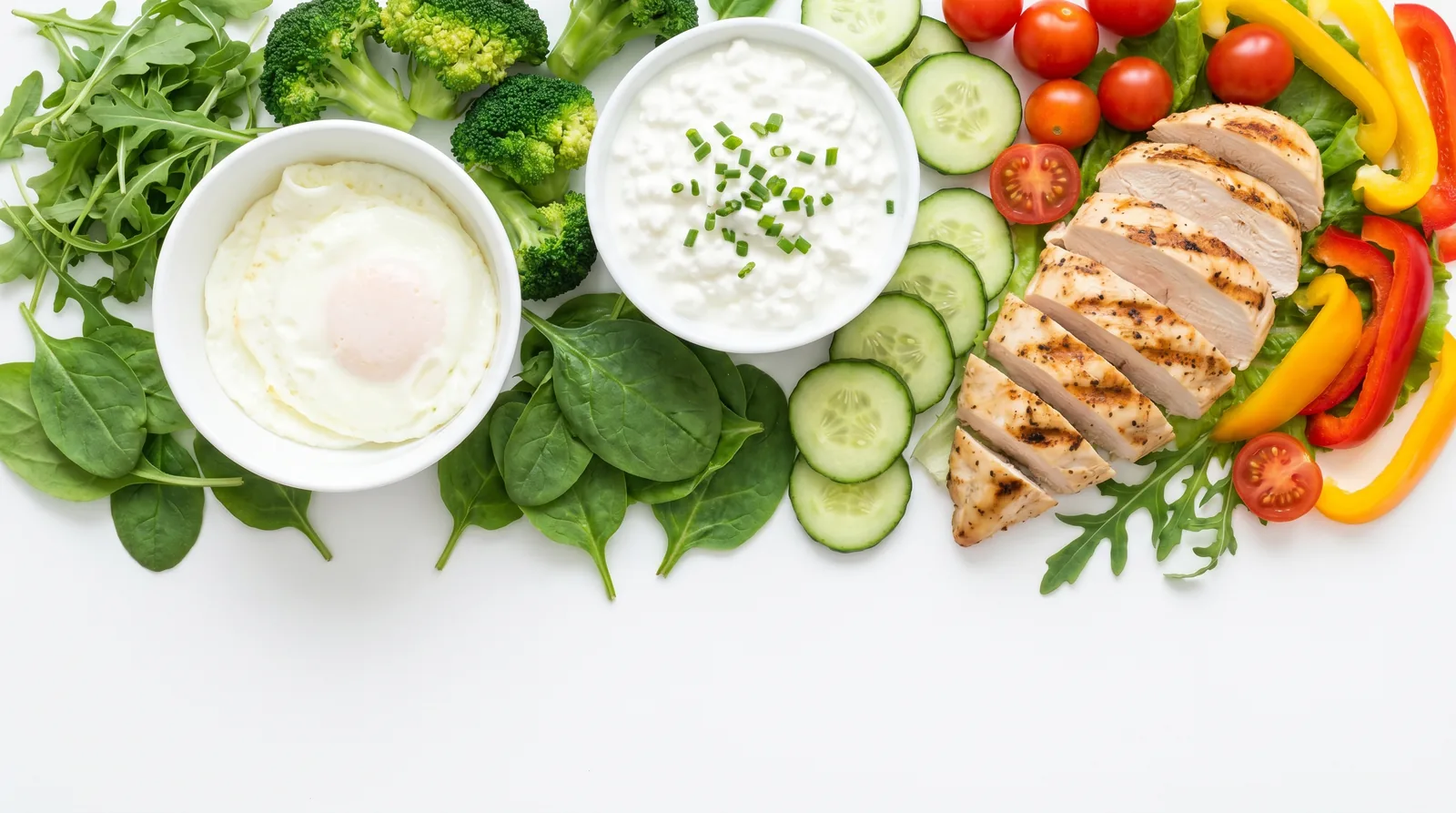
Protein helps with weight loss by reducing appetite and protecting muscle during a calorie deficit. High-protein meals increase satiety and thermogenesis more than standard-protein meals. A practical target for most adults losing weight is roughly 1.2–1.6 g of protein per kg of body weight per day — higher than the 0.8 g/kg RDA — with each meal anchored by a high-protein, low-calorie source such as egg whites, cottage cheese, chicken breast, or a single-ingredient protein isolate.
This guide is the hub for everything we cover on weight management: the satiety mechanism, lean-mass preservation, protein density per calorie, and the practical questions about shakes, meal replacements, and GLP-1 medications. Each section below gives the overview and links to a deeper article. The short version: protein is the macronutrient that makes a deficit tolerable and keeps the weight you lose from coming off your muscle.
High-Protein, Low-Calorie Options at a Glance
The single most useful number for weight loss is protein density — grams of protein per calorie. The higher that ratio, the more protein you get for each calorie spent, which matters when total calories are limited. The table below summarizes common options.
| Option | Protein | Calories | Notes |
|---|---|---|---|
| Egg whites (½ cup / 4 whites, carton) | 13 g | ~65 | Almost entirely protein, no saturated fat (Cleveland Clinic, 2025) |
| Cottage cheese, 1% fat (113 g) | 14 g | 81 | High density; contains lactose (USDA FoodData Central) |
| Chicken breast, cooked skinless (100 g) | 31 g | ~165 | Lean, high density; figures per 100 g roasted (USDA FoodData Central) |
| Whey protein isolate | 90–95% by weight | Low per scoop | Less than 1% lactose; fast-digesting, high leucine |
| Potato protein isolate | 80–95% by weight | Low per scoop | Single-ingredient, dairy-free, low-FODMAP |
Whole foods come first. Protein powders are a tool for the gap between what you eat and what you need — useful when appetite is suppressed, calories are tight, or you simply cannot get to a target on food alone.
How Does Protein Help You Lose Weight?
Protein helps you lose weight mainly by controlling appetite. It increases satiety and reduces how much you eat at later meals more than carbohydrate or fat, an effect driven by diet-induced thermogenesis and appetite-hormone responses. High-protein meals also increase thermogenesis more than standard-protein meals.
The hormonal side is specific. Protein intake suppresses ghrelin — the hormone that signals hunger — and raises peptide YY and GLP-1, two hormones that signal fullness. This is the same GLP-1 pathway that newer weight medications act on, which is part of why so many people on those drugs reach for protein. The thermic effect is the second lever: the body spends more energy digesting and metabolizing protein than it does fat or carbohydrate, so a portion of protein calories is lost to digestion itself.
None of this means protein is a weight-loss drug. A calorie deficit is still what produces fat loss. Protein makes that deficit easier to hold by reducing hunger, and it changes the composition of the weight you lose — which is the next section. For the underlying ingredient science, see What Is Potato Protein.
Preserving Lean Mass in a Calorie Deficit
When you eat below maintenance, your body draws on stored energy. Without adequate protein and a resistance-training stimulus, some of that loss comes from muscle rather than fat. Higher protein intake during a deficit shifts the balance toward fat loss and muscle preservation — the goal most people actually mean when they say “weight loss.”
Muscle is maintained when muscle protein synthesis keeps pace with breakdown. Protein intake stimulates synthesis and inhibits breakdown. A high-quality protein — one that delivers enough leucine and essential amino acids — does this more reliably than a low-quality one. Potato protein isolate has been shown to stimulate muscle protein synthesis at rest and after resistance exercise in young women at a 25 g dose taken twice daily, which places it among the plant proteins capable of supporting lean mass.
If your aim is to lose fat while holding or building muscle rather than simply dropping scale weight, the dedicated approach is body recomposition. For the full method — protein targets, training, and how to read progress when the scale stalls — see our guide to protein powder for body recomposition.
Protein Density: Why Grams Per Calorie Matters
Protein density is the ratio of protein grams to calories in a food, and it is the metric that matters most when you are eating fewer calories overall. A food with high density lets you hit a protein target without spending your whole calorie budget. Four egg whites supply 13 g of protein for roughly 65 calories; 1% cottage cheese gives 14 g for 81 calories.
This is where protein isolates are genuinely useful. Whey protein isolate is 90–95% protein by weight with under 1% lactose, and potato protein isolate runs 80–95% protein on a dry basis — both deliver a large protein dose for very few non-protein calories. Compared with a protein concentrate, which carries more carbohydrate and fat, an isolate gives you a cleaner protein-to-calorie ratio.
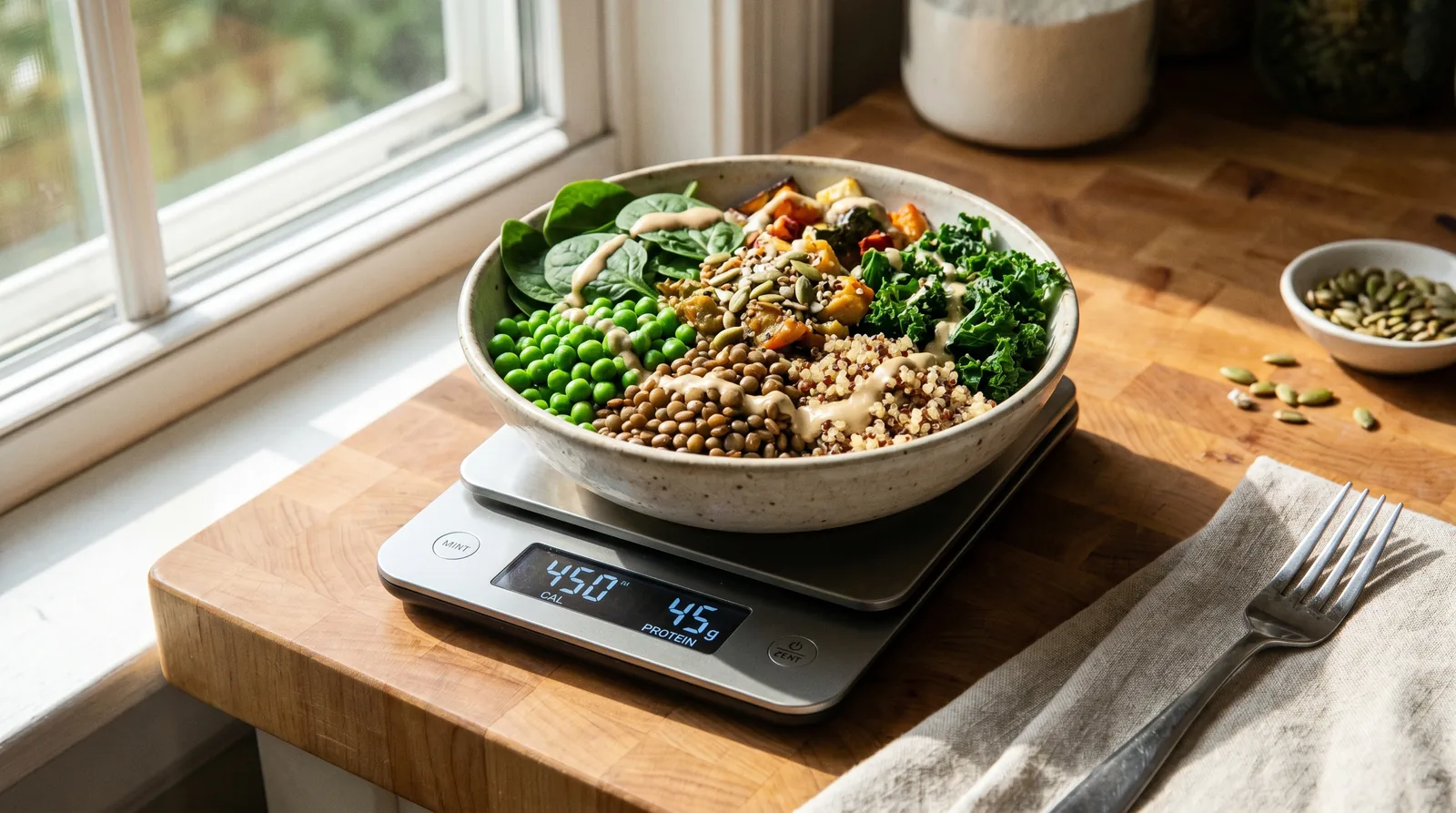
Building meals around dense protein sources is the practical translation of all the satiety research. For lunch ideas that put this into practice without a lot of calories, see our high-protein, low-calorie lunch ideas. The principle scales to breakfast and dinner too: anchor each plate with a protein source first, then fill the rest with vegetables and fiber.
Protein Shakes and Meal Replacements for Weight Loss
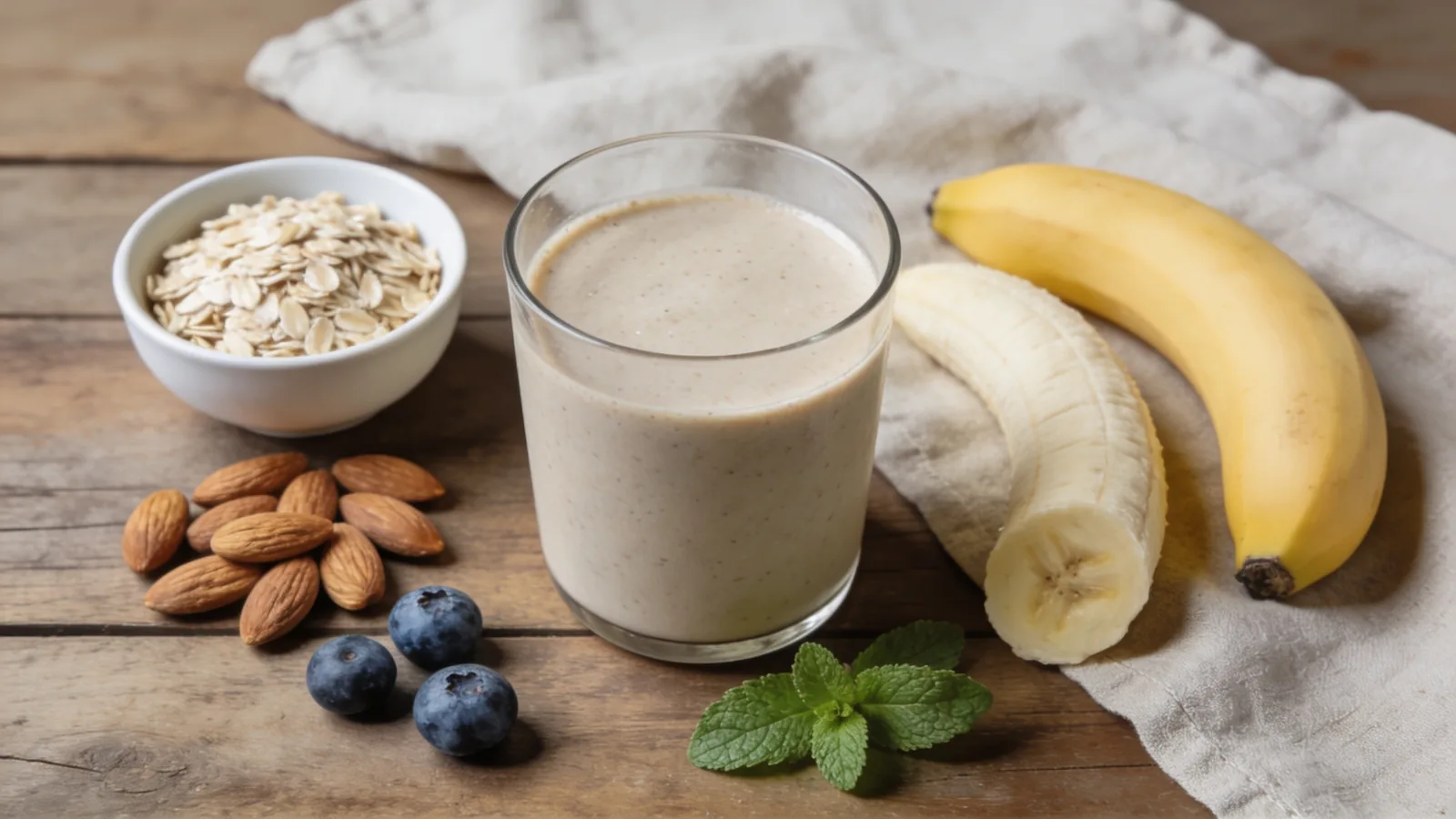
A protein shake supports weight loss when it replaces a higher-calorie option, not when it is added on top of everything else you already eat. Used as a low-calorie, high-protein meal or snack, a shake can hit 20–30 g of protein for a fraction of the calories of a typical meal, which makes it a useful tool for appetite control during a deficit.
The distinction worth understanding is between a protein shake and a meal replacement. A protein shake is mostly protein and meant to supplement; a meal replacement is formulated to stand in for a full meal, with added carbohydrate, fat, fiber, and micronutrients to be nutritionally adequate on its own. Confusing the two leads people to under-eat real nutrients or over-eat calories.
For how to build a shake that actually keeps calories low while delivering enough protein, see our low-calorie protein shake guide and what works in protein shakes for weight loss. If you want something engineered to replace a meal rather than supplement one, read our guide to meal-replacement protein powder.
Choosing the Best Protein Powder for Weight Loss
The best protein powder for weight loss is one with high protein density, the fewest added ingredients, and verified contaminant testing. There is no single brand that wins for everyone — the right choice depends on your dietary restrictions, digestive tolerance, and whether you want a flavored or unflavored product to mix into food.
Two cautions are worth carrying into any purchase. First, contamination. A 2025 Clean Label Project report (Protein Study 2.0) tested 160 products from 70 brands and found 47% exceeded California’s Proposition 65 regulatory limit for lead, with plant-based powders containing five times more cadmium than whey-based varieties. Separately, Consumer Reports tested 23 powders and shakes in October 2025 and found more than two-thirds contained more lead per serving than its safe daily limit, with plant-based products averaging nine times the lead of dairy-based powders. This is exactly why third-party testing belongs on your checklist, regardless of which protein source you choose.
Second, ingredient lists. Many weight-loss powders pile on sweeteners, gums, and proprietary blends that hide how much actual protein you are getting. A single-ingredient potato protein isolate disappears into your food, so you can add protein to a shake, soup, or batter without changing the flavor. For the full breakdown of what to compare across brands, see our guide to the best protein powder for women’s weight loss and the broader best protein powder guide.
Protein While Using GLP-1 Medications
Protein becomes more important, not less, on GLP-1 medications such as semaglutide and tirzepatide. These drugs suppress appetite sharply, which makes it easy to under-eat protein and lose muscle along with fat. A 2025 market survey found 74% of GLP-1 users sought out high-protein or protein-fortified products (Food Business News, 2025).
The challenge is mechanical: when you can only eat a small amount, every bite has to be protein-dense. A shake is often the only way to reach a protein target when solid food is unappealing. The same lean-mass logic from the deficit section applies with more urgency here, because the rate of weight loss on these medications can be rapid.
For dosing, timing, and how to keep protein up when appetite is suppressed, see our guide to protein shakes on GLP-1 and tirzepatide. The same principles extend to people who have had weight-loss surgery and face strict volume limits — covered in our guide to bariatric protein.
How Much Protein Do You Need to Lose Weight?
Most adults losing weight do best at roughly 1.2–1.6 g of protein per kilogram of body weight per day — well above the 0.8 g/kg RDA, which is a floor for preventing deficiency rather than a target for body composition. Older adults need more: research on combating sarcopenia suggests 1.0–1.2 g/kg as a baseline, and many practitioners aim higher during active weight loss.
The reason the target rises during a deficit is that protein needs are partly about protecting muscle, and that protection matters most when total energy is restricted. Distributing protein across meals — rather than loading it all at dinner — gives a more consistent stimulus for muscle protein synthesis through the day.
Age changes the math. After roughly 40, the muscle-building response to a given dose of protein blunts, a phenomenon called anabolic resistance, which means older adults often need both more protein and a resistance-training stimulus to get the same result. If you are over 40, read Protein After 40 for age-specific targets. And if powders give you digestive trouble that undermines your intake, Common Protein Problems covers bloating, taste, and tolerance issues.
References
- Paddon-Jones D, et al. Protein, weight management, and satiety. The American Journal of Clinical Nutrition (2008). PMID:18469287
- Halton TL, Hu FB. The effects of high protein diets on thermogenesis, satiety and weight loss: a critical review. Journal of the American College of Nutrition (2004). PMID:15466943
- Oikawa SY, et al. Potato Protein Isolate Stimulates Muscle Protein Synthesis at Rest and with Resistance Exercise in Young Women. Nutrients (2020). PMID:32349353
- Deutz NEP, et al. Protein intake and exercise for optimal muscle function with aging: recommendations from the ESPEN Expert Group. Clinical Nutrition (2014). PMID:24814383
- Burd NA, et al. Anabolic resistance of muscle protein synthesis with aging. Exercise and Sport Sciences Reviews (2013). PMID:23558692
- Devries MC, et al. Changes in Kidney Function Do Not Differ between Healthy Adults Consuming Higher- Compared with Lower- or Normal-Protein Diets. The Journal of Nutrition (2018). PMID:30383278
- Glenn AJ, et al. Dietary plant-to-animal protein ratio and risk of cardiovascular disease in 3 prospective cohorts. The American Journal of Clinical Nutrition (2024). PMID:39631999
- Clean Label Project. Protein Study 2.0 (2025). cleanlabelproject.org/protein-study-2-0
- Consumer Reports. Protein powder testing (October 2025).