The hardest part of choosing a bariatric protein powder is not the science — it is arithmetic. Your team told you to reach 60 to 80 grams of protein a day, and your new stomach holds 4 to 6 ounces at a sitting. Those two numbers do not reconcile easily, which is why protein density per serving matters more for you than for almost any other person buying protein.
After sleeve gastrectomy or Roux-en-Y bypass, the best protein powder delivers at least 20 grams of protein in a small, low-volume serving, mixes without grit or chalk, and contains minimal lactose — since lactose intolerance is common post-surgery. An unflavored protein isolate (90%+ protein) lets you reach a 60–80g daily target across small servings without strong artificial flavors that can trigger nausea. Always follow your bariatric team’s specific protocol.
- You can finish only 4 to 6 ounces before you feel full or unwell, and a standard shake is more liquid than you can manage
- Certain textures — chalky, gritty, slimy — turn your stomach before you have swallowed two sips
- You were fine with dairy before surgery and now milk-based shakes leave you cramping or running to the bathroom
- Heavily sweetened, artificially flavored powders smell wrong to you now and you push them away half-finished
“I am not picky. My body just rejects most of what is marketed to me, and I still have to find 70 grams somewhere in a day that fits in a teacup.”
This is a real engineering problem, not a motivation problem. The protein industry mostly designs for the opposite customer: someone who wants a 16-ounce shake with a dessert flavor and does not count milliliters. You are counting everything. Below is what changes for you specifically, and what to look for on a label.
What Makes Protein Harder After Bariatric Surgery
Standard protein advice assumes you can simply eat more when you fall short. You cannot. Four separate constraints stack on top of each other, and a powder that solves one often fails another. Here is how to weigh them.
Volume restriction: 20g+ protein in a tiny serving
A sleeve or bypass leaves you able to hold roughly 4 to 6 ounces at a time, and that volume has to include the liquid you mix the powder into. The math only works if the powder itself is dense. A protein isolate is the relevant category here: potato protein isolate runs 80 to 95% protein by dry weight, and whey protein isolate is 90 to 95% protein with under 1% lactose. Concentrates are diluted by comparison — more carbohydrate and lactose per scoop, less protein. If a scoop gives you 15g where an isolate gives you 25g, you have to find that missing protein somewhere in a stomach that has no room for it.
Texture sensitivity: chalk and grit get rejected
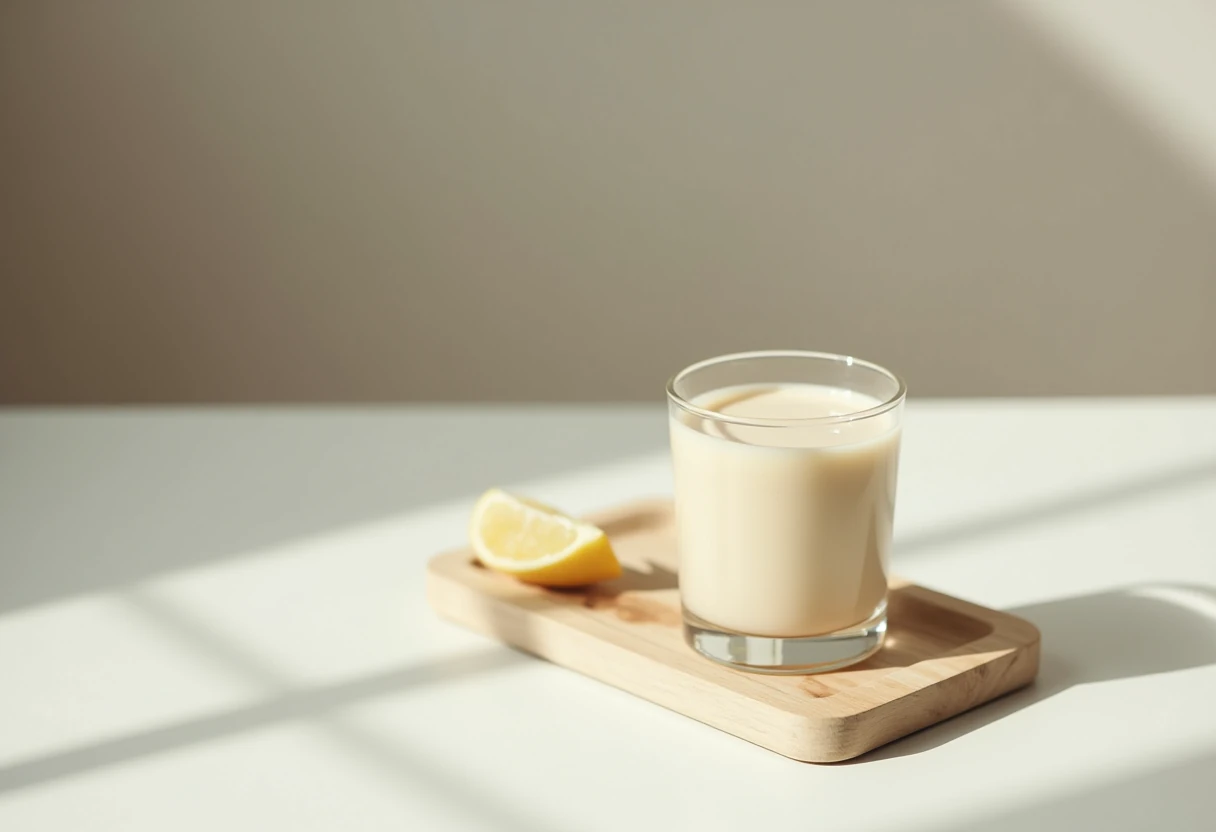
Many post-surgical patients describe a new, sharp intolerance for gritty or chalky mouthfeel that they never noticed before. This is not fussiness — texture aversion can trigger genuine nausea in the early months. A powder that fully dissolves and disappears into liquid, rather than settling into sediment, is doing real work for you. Solubility is a measurable property of a protein, not a marketing line. The practical test is simple: stir, wait two minutes, look at the bottom of the glass.
Lactose intolerance: common and often new
Lactose intolerance frequently appears or worsens after bariatric surgery, even in people who tolerated dairy beforehand. This is where the isolate-versus-concentrate distinction stops being academic. Monash University’s FODMAP team notes that whey concentrate is lower in protein and higher in carbohydrates like lactose, while whey isolate is processed further to be higher in protein and lower in lactose. If dairy now causes you cramping or diarrhea, a plant isolate sidesteps the problem entirely. Potato protein is generally low in FODMAPs, which matters because even small amounts of FODMAPs can set off symptoms in a sensitive gut.
Strong artificial flavors: a nausea trigger
Taste and smell shift after surgery, and intensely sweet, artificially flavored powders that you might have tolerated before can now read as cloying or chemical — enough to stop you mid-serving. The fix is counterintuitive: an unflavored powder gives you control. You can stir it into savory broth, mashed potato, soup, or yogurt rather than being locked into a sweet shake three times a day. The honest caveat is that flavorless plant proteins are genuinely difficult to make; one formulator describes even the closest options as “far from flavorless.” An unflavored isolate with a neutral profile is the goal, not a guarantee of zero taste.
What Actually Works for Post-Bariatric Patients
The configuration that satisfies all four constraints is a single-ingredient, unflavored protein isolate with high protein density. Isolate, not concentrate, for the protein-per-gram and the low lactose. Unflavored, so you can add it to food your post-surgical stomach actually accepts. Single-ingredient, so there is nothing extra to react to during a period when your digestion is already unpredictable.
For post bariatric surgery protein, both whey isolate and potato protein isolate can meet the density requirement. The deciding factor is usually lactose. If dairy now bothers you, a plant isolate removes the variable. Whey isolate has been well tolerated in surgical patients: in a randomized trial of 61 gynecological cancer surgery patients, every person in the whey supplementation group completed their intake without nausea, vomiting, or choking, and no gastrointestinal adverse events were recorded. That tolerability does not erase a new lactose problem, but it tells you whey isolate itself is not inherently harsh.
On muscle preservation — a real concern when you are eating so little — potato protein isolate has direct evidence behind it. A 2020 study published in Nutrients found that 25g of potato protein isolate stimulated muscle protein synthesis at rest and during exercise recovery in young women. For someone trying to hold onto lean mass during rapid weight loss, that is the property that counts. Protein’s role in weight management and preserving muscle during a calorie deficit is the larger context your whole eating plan sits inside.
One more thing belongs on a bariatric label-reader’s radar: contamination testing. The Clean Label Project’s 2025 Protein Study 2.0 tested 160 products from 70 brands across 35,862 data points and found that 47% exceeded at least one federal or state safety standard (California Proposition 65), with 21% of samples over twice the Prop 65 level. Consumer Reports, in testing of 23 protein powders and ready-to-drink shakes published in October 2025, found that more than two-thirds contained more lead per serving than its safe daily limit of 0.5 micrograms, and that lead in plant-based products averaged nine times higher than in dairy-based powders. We will be candid: plant proteins, including potato, have tested higher for some heavy metals than whey in these reports. That is exactly why a published, lot-specific Certificate of Analysis is not optional — it is the only way to know what is in the tub you actually bought. If a brand will not show you one, that tells you something.
None of this is medical advice. Your bariatric team set your protein target, your fluid limits, and your texture progression for reasons specific to your surgery and your recovery. Use their protocol first; use this article to choose a product that fits inside it. If you are weighing options across the whole category, our protein powder buying guide covers the wider field, and common protein problems addresses the digestive complaints that come up most.
References
- Chitti et al. Effect of Whey Protein Supplementation on Postoperative Outcomes After Gynecological Cancer Surgery. World Journal of Oncology. 2025. PMID: 39850521.
- Oikawa et al. Potato Protein Isolate Stimulates Muscle Protein Synthesis at Rest and with Resistance Exercise in Young Women. Nutrients. 2020. PMID: 32349353.
- Clean Label Project. Protein Study 2.0 (2025). https://cleanlabelproject.org/protein-study-2-0/
- Consumer Reports. Protein Powder and Shake Testing (October 2025).