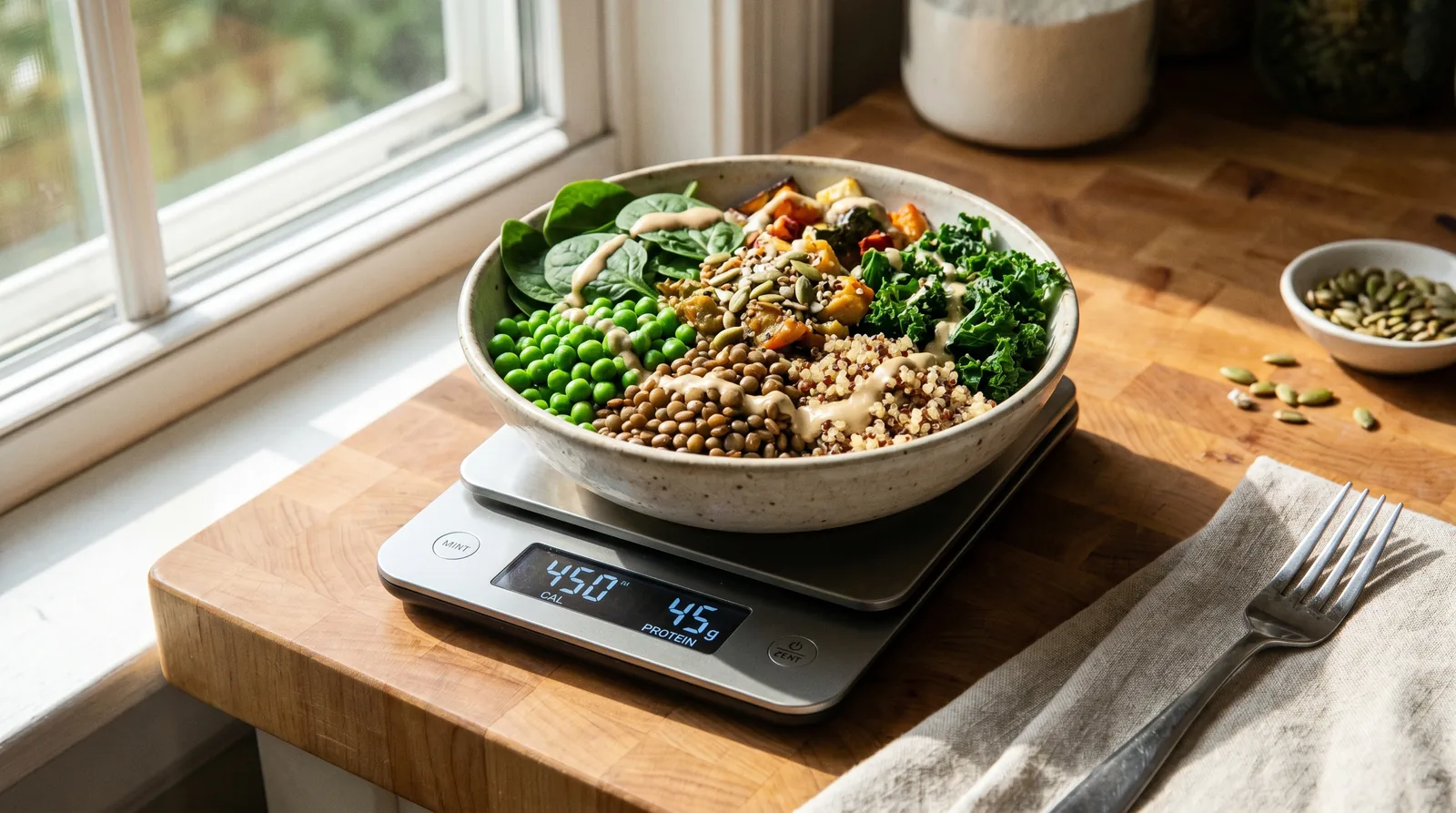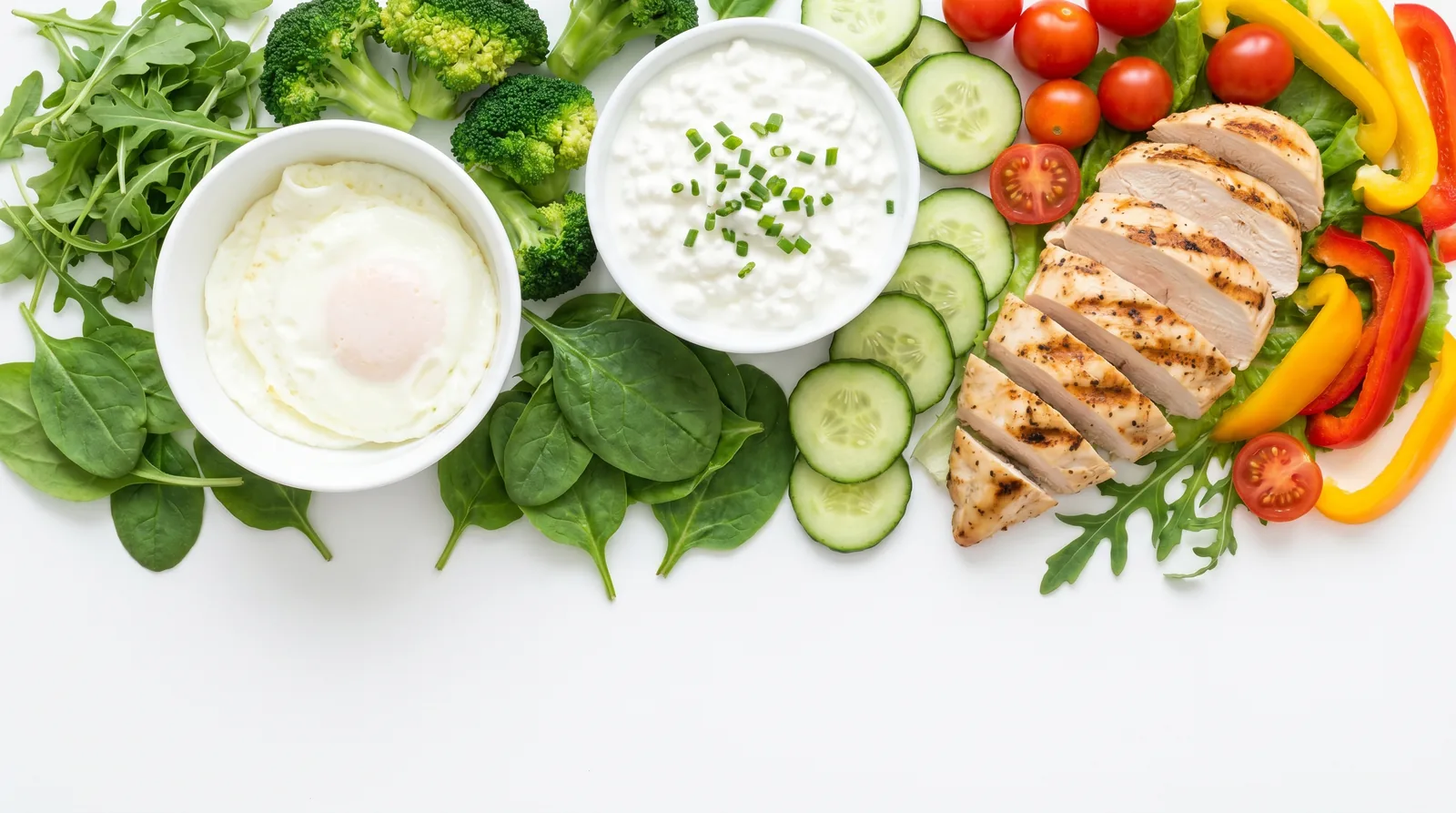
A meal replacement shake is only a meal when it contains what a meal contains: protein, carbohydrate, fat, fiber, and a reasonable spread of micronutrients. A scoop of protein powder in water is not that. It is one macronutrient in a glass, and treating it as a full meal is the most common mistake people make when they start swapping shakes for food.
Protein powder alone cannot replace a meal. A true meal replacement shake needs roughly 300–500 calories from protein, carbohydrate, and fat, plus fiber and micronutrients — a single scoop of isolate delivers protein and little else. A protein shake supplements a meal; a meal replacement shake substitutes for one. The difference is the other three macronutrients.
That distinction matters more than the marketing suggests. The protein powder category was valued at $4.4 billion in 2021 and is projected to reach $19.3 billion by 2030 (Spherical Insights, 2022), and a large share of those products are sold as “meal replacements” while containing nothing but protein and sweetener. Below is what actually separates the two, and when a shake earns the right to stand in for food.
What’s the Difference Between a Protein Shake and a Meal Replacement Shake?
A protein shake supplies mostly protein to top up a meal you’ve already eaten; a meal replacement shake supplies a complete macronutrient and micronutrient profile meant to stand alone. The practical line is the other three components: carbohydrate for energy, fat for satiety and fat-soluble vitamins, and fiber for digestion. Without those, you have a supplement, not a meal.
| Component | Plain protein shake | Meal replacement shake | Balanced whole meal |
|---|---|---|---|
| Protein | 20–30 g | 20–30 g | 25–40 g |
| Carbohydrate | 0–3 g | 20–40 g | 30–60 g |
| Fat | 0–2 g | 8–15 g | 10–25 g |
| Fiber | 0 g | 5–10 g | 5–12 g |
| Micronutrients | Minimal | Added or whole-food | Broad, food-based |
| Typical calories | 90–130 | 300–500 | 400–700 |
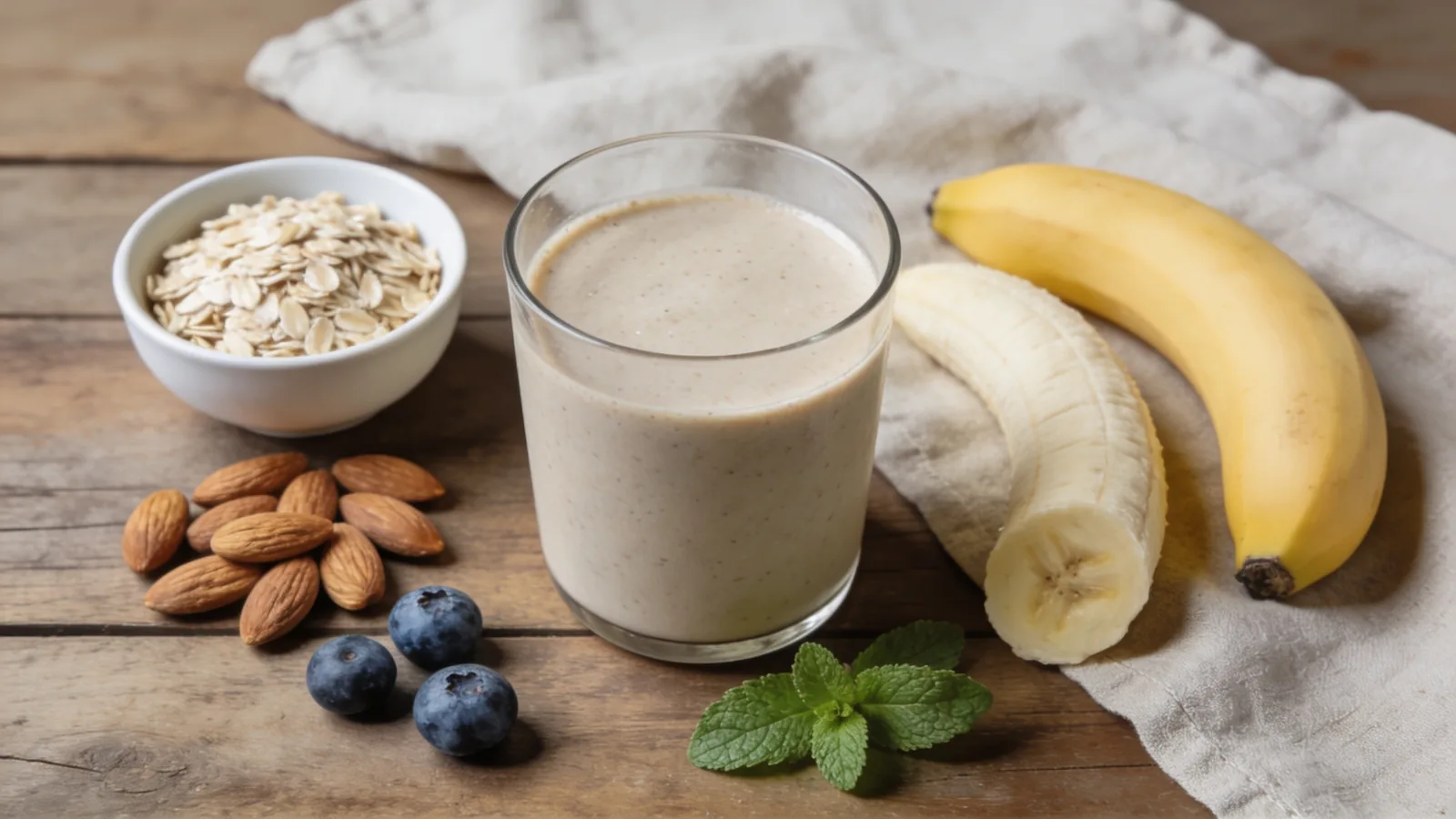
If you blend a single-ingredient protein isolate with a banana, a spoon of nut or seed butter, oats, and milk or a milk alternative, you have built a meal replacement shake from whole foods. The powder supplies the protein; the rest of the glass supplies everything a scoop cannot.
When a Meal Replacement Shake Works
A meal replacement shake works best when it is built to include all four macronutrient bases and replaces a meal you would otherwise skip or eat poorly. It is most useful at breakfast, around training, or during recovery, where convenience and a high protein dose matter more than the ritual of sitting down to a plate.
Protein is the reason these shakes hold up at all. High-protein meals increase satiety and thermogenesis more than standard-protein meals (Journal of the American College of Nutrition, 2004, PMID:15466943), which is why a well-built shake keeps you fuller than its calorie count suggests. That satiety advantage is also why protein figures so heavily in deliberate fat-loss plans — see our guide to protein for weight loss for how to structure intake across the day.
There is also a clear use case among people on GLP-1 medications, where appetite drops sharply and getting enough protein from food becomes difficult. A 2025 market survey found that 74% of GLP-1 users sought out high-protein or protein-fortified products (Food Business News, 2025). For someone eating far less overall, a properly built shake can deliver a meal’s worth of protein in a volume they can actually finish.
A meal replacement shake works when:
- It contains carbohydrate, fat, and fiber alongside protein — not protein alone.
- It replaces a meal you’d otherwise skip, not one you’d otherwise eat well.
- You’re using it short-term, around a busy morning, a commute, or post-exercise recovery.
- Appetite or time genuinely limits your ability to eat a full plate.
When a Meal Replacement Shake Doesn’t Work
A meal replacement shake fails when it’s a lone scoop of protein powder, when it replaces every meal indefinitely, or when it’s expected to do something protein can’t do on its own. Whole foods still beat a glass on fiber diversity, chewing-related satiety, and the breadth of micronutrients no formula fully reproduces.
Two limits are worth stating plainly. First, protein powder does not build muscle by itself — it has to be paired with resistance exercise to matter for muscle mass. Second, replacing most of your daily food with shakes long-term narrows your nutrient intake in ways that are hard to see day to day and easy to feel over months. Shakes are a tool for specific meals, not a permanent eating pattern.
There’s also a quality question the category would rather you ignore. The Clean Label Project’s 2025 Protein Study 2.0 tested 160 products from 70 brands and found that 47% exceeded at least one federal or state safety standard, with plant-based powders averaging five times more cadmium than whey-based varieties (Clean Label Project, Protein Study 2.0, 2025). Consumer Reports’ October 2025 testing of 23 powders and shakes found more than two-thirds exceeded its safe daily lead limit, with plant-based products averaging nine times the lead of dairy-based ones (Consumer Reports, 2025). If a shake is replacing a meal once or twice a day, what’s in it stops being a rounding error. This is where third-party testing and a published certificate of analysis earn their keep.
How to Build a Meal Replacement Shake From a Single Ingredient
The cleanest way to control a meal replacement shake is to start from a single-ingredient protein and add the rest of the meal yourself. That way you decide the carbohydrate source, the fat, the fiber, and the total calories — instead of inheriting a proprietary blend of sweeteners and gums you didn’t ask for.
Potato protein isolate disappears into a blended shake, it’s a complete protein covering all nine essential amino acids, and it’s classified as a low-FODMAP protein source (Monash University, 2019), which matters if a daily shake is sitting in a sensitive gut. A 2020 study found that 25 g of potato protein isolate, taken twice daily, was effective at stimulating muscle protein synthesis in young women (Nutrients, 2020, PMID:32349353) — evidence that a single plant source can carry the protein load of a meal.
A workable template:
- Protein: one to two scoops of potato protein isolate (about 20–30 g protein).
- Carbohydrate: a banana, frozen berries, or oats.
- Fat: a tablespoon of nut butter, seeds, or half an avocado.
- Fiber: the fruit, oats, or a spoon of ground flax already covers most of it.
- Liquid and micronutrients: milk or a fortified milk alternative; a handful of spinach blends in without changing the taste.
That glass lands in the 300–450 calorie range with a full macronutrient spread — an actual meal replacement, not a protein top-up wearing the label. For more on the underlying ingredient, see what potato protein is and how it’s made, and for shake-specific strategy during fat loss, protein shakes for weight loss.