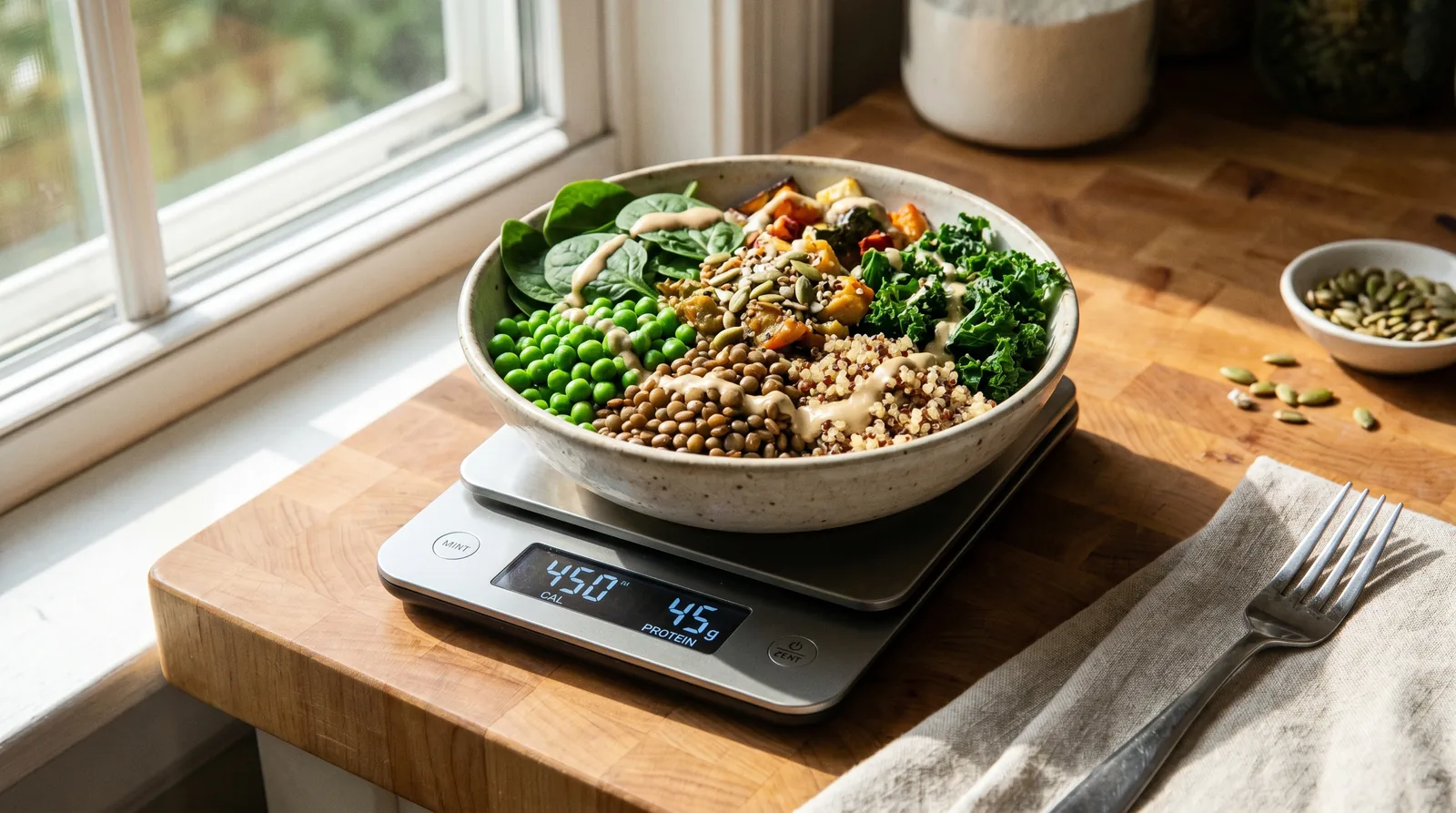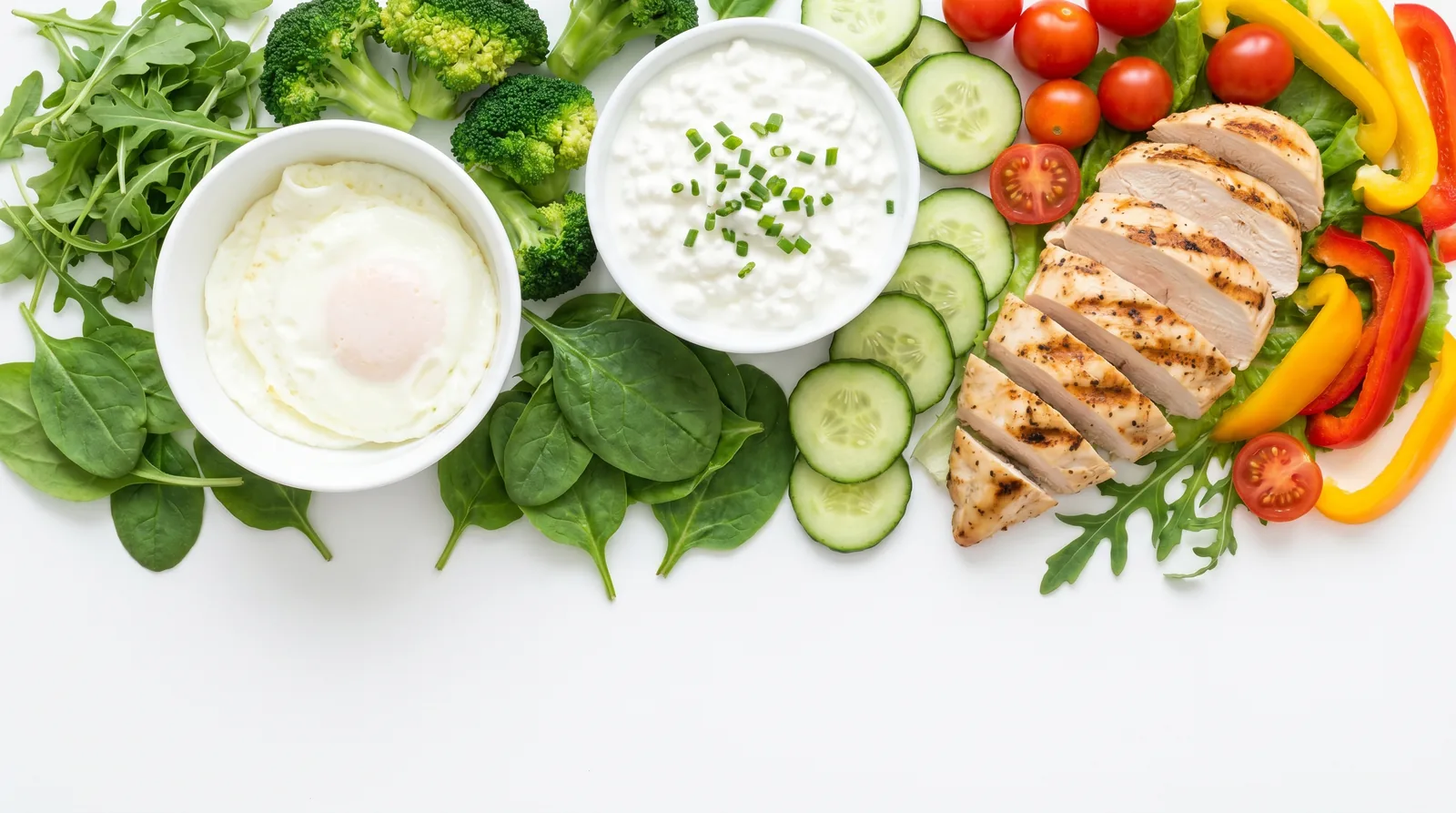
Drinking shakes to lose weight works only to the extent the shake helps you eat fewer calories than you spend — there is no fat-dissolving compound in a tub of powder. The mechanism doing the real work is protein: high-protein meals increase satiety and thermogenesis more than standard-protein meals (Journal of the American College of Nutrition, 2004, PMID 15466943), which makes it easier to hold a calorie deficit without constant hunger.
Weight-loss shakes work only as a tool for eating less, not as a metabolic shortcut. A high-protein shake helps because protein increases satiety and reduces later calorie intake more than carbohydrate or fat (PMID 18469287). “Fat-burner” and “detox” shakes add no proven weight-loss benefit and carry real risk: dietary supplements are not approved by the FDA before sale, and an estimated 23,000 US emergency-department visits a year are linked to supplement adverse events, many involving weight-loss or energy products (New England Journal of Medicine, 2015, PMID 26465986).
Not every product sold as a “weight-loss shake” is the same thing. The label decides whether you are buying a protein source or a proprietary blend of stimulants and sweeteners. Here is how the main categories compare.
| Shake type | What’s usually in it | Evidence it aids weight loss | Main concern |
|---|---|---|---|
| Single-ingredient protein shake | One protein source, water or milk | Indirect — protein satiety and muscle retention in a deficit | Taste and texture; you build the meal yourself |
| Meal-replacement shake | Protein, carbs, fat, added vitamins, sweeteners | Works if it lowers total daily calories | Sugar alcohols and gums; many additives |
| ”Fat-burner” / “detox” shake | Proprietary blends, stimulants, herbal extracts | None established for the added compounds | No FDA pre-approval; documented adverse events |
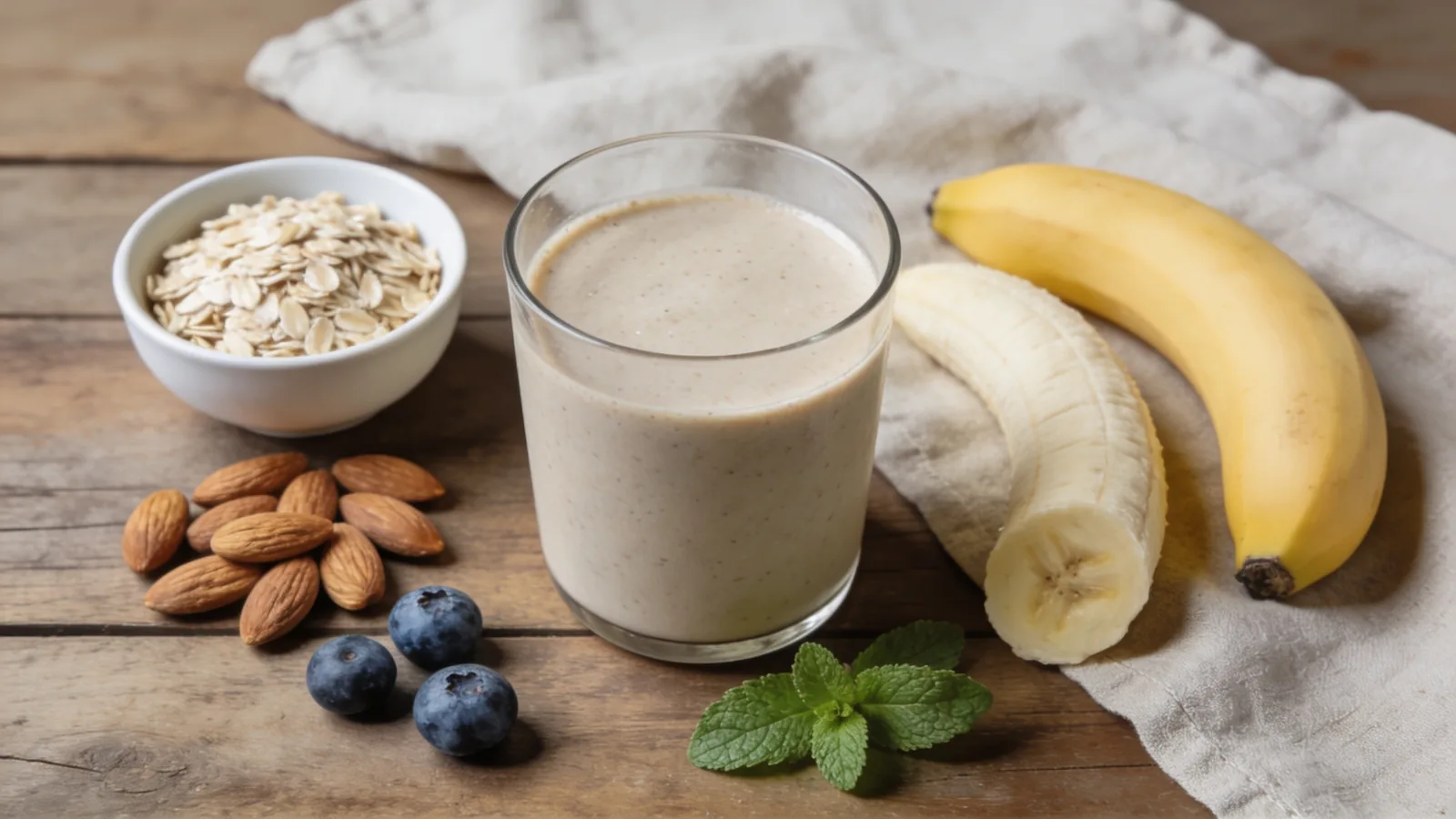
| Homemade protein + food shake | Protein powder plus fruit, oats, or yogurt | Works if portioned within a deficit | Calorie creep from add-ins |
Do Weight-Loss Shakes Actually Work?
Yes, but only as a calorie-control tool — not because a shake “burns” anything. A shake helps you lose weight when it replaces a higher-calorie meal and keeps you full enough to avoid snacking. The benefit comes from protein, not from any branded formula. Without an overall calorie deficit, no shake produces fat loss.
The honest framing matters because most marketing inverts it. The shake is the delivery method; the deficit is the cause. If you want the full mechanism, our protein for weight loss guide covers how protein supports fat loss while preserving muscle. We also separate genuine fat loss from marketing in does protein powder actually burn fat.
What Makes a Protein Shake Help You Lose Weight?
Protein helps because it increases satiety and reduces subsequent energy intake more than carbohydrate or fat, an effect mediated by diet-induced thermogenesis and appetite hormones (PMID 18469287). In practice, a protein-forward shake makes it easier to eat less without feeling deprived, which is the entire battle in a calorie deficit.
Two things drive this. First, protein digestion costs more energy than digesting fat or carbohydrate, so a larger share of the calories is spent processing the meal. Second, protein influences satiety hormones such as GLP-1 and PYY, which signal fullness. A controlled trial showed that combined infusion of GLP-1, oxyntomodulin, and PYY reduced body weight by 4.4 kg over four weeks in people with obesity and dysglycemia (Diabetes Care, PMID 31177183) — illustrating how powerful these satiety pathways are, even though a shake influences them only modestly through food.
There is a second, slower benefit: holding onto muscle. When you lose weight, some of the loss is lean tissue unless protein intake stays high. Adequate protein during a deficit helps direct loss toward fat. If you want a target number, see how much protein per day to lose weight.
Why “Fat-Burner” and “Detox” Shakes Are a Different Product
“Fat-burner” and “detox” shakes are not protein products with a bonus — they are supplement formulas built around unproven additives, and they carry risk that plain protein does not. There is no established weight-loss benefit from the stimulant and herbal blends these shakes feature, and the regulatory floor is low.
Unlike medicines, dietary supplements do not require FDA approval before sale; the company itself is responsible for substantiating that the product is safe and the label is truthful (NIH Office of Dietary Supplements). That gap shows up in the data: an estimated 23,000 emergency-department visits a year in the US are attributed to supplement adverse events, with a significant share involving cardiovascular problems from weight-loss or energy products (New England Journal of Medicine, 2015, PMID 26465986).
The “proprietary blend” label compounds the problem. Under DSHEA, a proprietary blend must declare only the combined weight of all ingredients — not the amount of each component (Operation Supplement Safety). So you cannot tell how much caffeine, extract, or filler you are actually drinking. A protein product where you cannot read what is in it defeats the point. You should never have to squint to read your ingredient label.
What About Heavy Metals in Shakes?
Contamination is a real, measurable issue in some powders — and it tends to be worse in the products marketed hardest for weight loss. In Consumer Reports’ 2025 testing of 23 protein powders and ready-to-drink shakes, more than two-thirds contained more lead per serving than the publication’s safe daily limit of 0.5 micrograms, and lead levels in plant-based products averaged nine times higher than dairy-based powders.
The Clean Label Project’s 2025 Protein Study 2.0 tested 160 products from 70 brands across 35,862 data points and found that 47% exceeded at least one federal or state safety standard (California Proposition 65), with plant-based powders averaging five times more cadmium than whey-based varieties. The most contaminated single product in the Consumer Reports set, a plant-based mass-gainer powder, delivered 7.7 micrograms of lead per serving — against an FDA interim reference level of 8.8 micrograms per day.
This does not mean every shake is dangerous; a separate human health risk assessment concluded that measured arsenic, cadmium, mercury, and lead exposures in protein-powder consumers did not pose an increased health risk (Hazard Index below 1) (Toxicology Reports, 2020, PMID 33005567). The lesson is variability: the only way to know your product is to read its third-party results.
Can a Shake Replace a Meal?
A shake can replace a meal for weight loss if it provides enough protein to keep you full and is not loaded with calories you would not have eaten otherwise. The risk is the opposite of what people expect: meal-replacement shakes sweetened with sugar alcohols often cause bloating and digestive upset, which makes them hard to stick with.
Sugar-alcohol polyols such as sorbitol and mannitol are incompletely absorbed in the small intestine; their osmotic effect draws water into the colon and their fermentation produces gas, leading to bloating, distension, and excess flatulence (Therapeutic Advances in Gastroenterology, 2012, PMID 22778791). A single-ingredient protein shake sidesteps this entirely. For the practical limits of meal-replacing, see can protein powder replace a meal.
What to Look For in a Shake for Weight Loss
The shake that helps with weight loss is the one you can read and tolerate. Prioritize protein quality, a short ingredient list, and verified testing — in that order.
- A complete protein. Potato protein isolate has a reported Digestible Indispensable Amino Acid Score (DIAAS) as high as 100% (Food Science & Nutrition, Herreman et al., 2020, PMID 33133540), comparable to dairy protein and well above most incomplete plant sources.
- Fewest ingredients. A single-ingredient powder has nothing to react to and nothing hidden in a blend.
- No stimulant or “burner” blend. The added compounds carry the documented adverse-event risk without proven benefit.
- Published third-party testing. Given the contamination data, a current Certificate of Analysis is non-negotiable.
- Minimal additives. Skip sugar alcohols if you are prone to bloating; they undermine adherence.
If you are new to the category, what is potato protein explains how a single-ingredient isolate differs from a formulated weight-loss shake. It disappears into your food, which makes the deficit easier to live with day after day.