Potato protein is safe to consume for everyone except people with a diagnosed potato allergy. The glycoalkaloids that make green or sprouted potatoes a concern — alpha-solanine and alpha-chaconine — concentrate in the skin, eyes, sprouts, and foliage of the plant, not in the isolated protein fraction, and the extraction process removes nearly all of what little reaches the raw material. The FDA classifies potato protein as Generally Recognized As Safe (GRAS) for regular consumption. The rest of this page explains why, and where the genuine cautions lie.
Where the Glycoalkaloid Concern Comes From
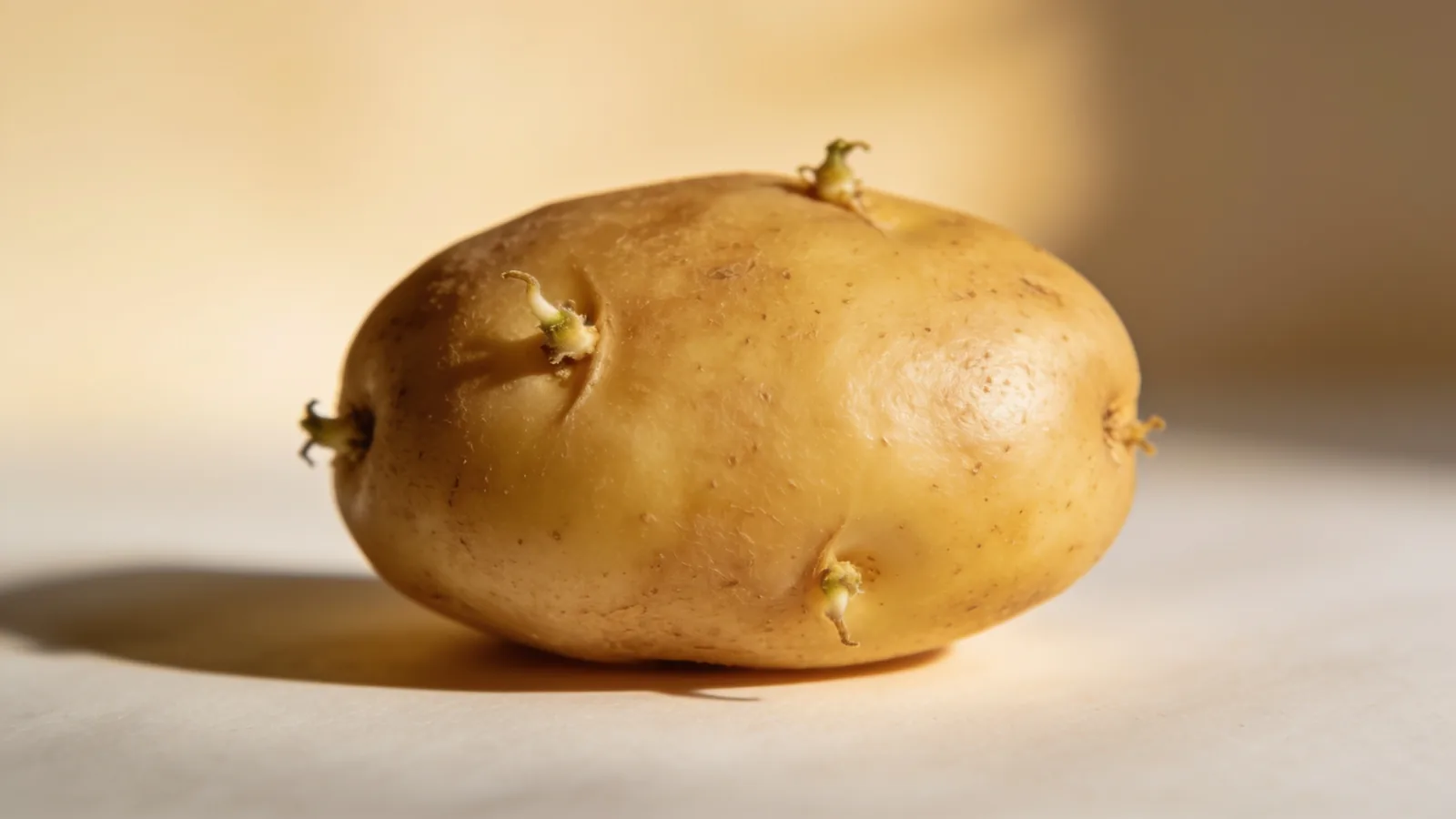
Potato plants produce two primary glycoalkaloids: alpha-solanine and alpha-chaconine. These compounds are the plant’s own defense chemistry, deterring insects and fungi, and they accumulate where the plant needs protection most — the skin, the sprouting eyes, the flowers, and the leaves. They are also what give a green or sprouted potato its bitter taste and what can cause nausea and gastrointestinal upset if you eat enough of a badly stored tuber.
Regulators have set a clear ceiling for the part of the potato people actually eat. The total glycoalkaloid (TGA) content of potatoes is considered safe for human consumption below 200 mg/kg fresh weight, a threshold used by Health Canada and other bodies. The European Food Safety Authority arrives at the same figure. That limit applies to whole potatoes; it is the benchmark against which any potato-derived ingredient should be judged.
The important point for safety is anatomical. Glycoalkaloids are not distributed evenly through the potato, and they are not a meaningful component of the storage protein that the food industry isolates. Understanding that distinction is the whole question. For a broader primer on the ingredient itself, see what potato protein is and how it is made.
Potato Protein Glycoalkaloids: Does the Isolate Carry Them?
Potato protein is extracted from potato fruit juice (PFJ), also called potato fruit water, a byproduct of starch production. That starting material is the watery stream left over when starch is separated from the tuber — not the skin or sprouts where glycoalkaloids concentrate. The protein is then precipitated, washed, concentrated, and dried. Each of those steps moves soluble glycoalkaloids away from the protein you keep.
The result is measurable. A 2025 analysis published in Food Chemistry (PMID 40627963) identified that commercial potato protein isolates contain only trace amounts of glycoalkaloids — orders of magnitude below the 200 mg/kg whole-potato limit. A typical commercial isolate is 80–95% protein on a dry basis, with the remaining fraction dominated by residual moisture, minerals, and small amounts of fat and carbohydrate rather than glycoalkaloids.
History shows what happens when processing is inadequate. A potato protein product made with high residual glycoalkaloid levels, fed to farmed salmon, caused weight loss in the fish (Refstie & Tiekstra 2003, Aquaculture). That study is sometimes cited as evidence against potato protein, but it demonstrates the opposite of a problem with modern food-grade isolate: it shows that the harm tracks with poorly refined material carrying high glycoalkaloid loads, exactly what current human-grade processing is designed to avoid.
Researchers continue to develop additional safeguards. Work on bacteria capable of degrading toxic steroidal glycoalkaloids (PMID 30455676) and on cultivar selection that inherently limits glycoalkaloid biosynthesis points to layered control of these compounds well before the protein is isolated. In practice, the combination of starting from the starch byproduct, repeated washing, and low-glycoalkaloid cultivars leaves the finished isolate far below any level of toxicological concern.
Is Potato Protein Safe to Consume? The Allergen Profile
Potato protein is broadly safe to consume because it is one of the few protein sources free of the major regulated allergens — no dairy, no egg, no soy, no tree nut, no wheat or gluten. Potato allergy itself is uncommon, and the FDA recognizes potato protein as a GRAS ingredient. That combination is why it appears so often in allergen-free product development.
There is one honest exception. If you have a diagnosed potato allergy, you should not consume potato protein, because the allergenic proteins are still present in the isolate. The Center for Research on Ingredient Safety (CRIS) at Michigan State University states it directly: “if you have a potato allergy, you should not consume potato protein as the allergen is still present.” The two components implicated are patatin — the major potato protein — and a separate 53 kDa protein, identified as the potential allergens in a murine model (Molecular Immunology, 2018; PMID 30031281). That same study found potato protein produced a relatively lower antigen-specific IgE response than wheat.
For people who do react, the clinical picture from Thermo Fisher Scientific’s ImmunoCAP Allergen Encyclopedia (f35 Potato) is that among individuals with potato allergy, 4.7% had asthma, 11% had allergic rhinoconjunctivitis, and 14.4% had atopic dermatitis. Potato allergens are also heat-labile at around 50°C (Pots et al. 1998; Koppelman et al. 2002), which is one reason cooked potato is tolerated by some people who react to raw potato — though heat lability does not make an isolate safe for someone with a confirmed allergy, and it should not be treated as a workaround.
If allergen avoidance is your main reason for being here, the allergen-free protein guide covers single-ingredient choices in more depth, and whether you can be allergic to protein shakes walks through the warning signs.
How Potato Protein Compares on Safety
| Protein source | Major allergen class | Suitable for dairy/soy/egg/nut allergy | Contains lactose |
|---|---|---|---|
| Potato protein isolate | Potato (uncommon) | Yes | No |
| Whey isolate | Milk | No | <1% |
| Whey concentrate | Milk | No | Higher than isolate |
| Soy isolate | Soy | No | No |
| Egg white protein | Egg | No | No |
Source note: FDA GRAS status for potato protein; allergen identification from Molecular Immunology 2018 (PMID 30031281); whey isolate composition and lactose comparison per mindbodygreen and Monash University FODMAP.
The table makes the structural advantage clear: potato protein sidesteps the milk, soy, and egg allergens that the other common isolates carry. For a side-by-side on quality rather than safety, see potato protein vs whey and potato protein vs soy protein.
FODMAP and Digestive Tolerance
Potato protein is a low-FODMAP protein source, classified as such by Monash University FODMAP, which makes it a reasonable option for people managing irritable bowel syndrome. The reason it tends to sit well is partly what it lacks: there is no lactose, the FODMAP that drives much of the bloating people blame on whey.
Monash University FODMAP also explains the relevant distinction within dairy proteins: whey isolates undergo more extensive processing so the final product is higher in protein and lower in carbohydrate, while whey concentrates retain more lactose. That means whey concentrate carries more of the FODMAP lactose than whey isolate — and potato protein carries none. People who experience gas or bloating on dairy-based powders often find a single-ingredient plant isolate easier to tolerate. For the wider picture, see protein powder and gut health and the rundown of common protein problems.
Who Should Be Cautious
The cautions are narrow and specific. Anyone with a diagnosed potato allergy should avoid potato protein entirely, since the allergenic proteins remain in the isolate. Potato and sweet potato are not closely related, so a sweet potato sensitivity is a separate matter and is not considered cross-reactive with latex; nonetheless, anyone with a complex allergy history should clear new ingredients with their clinician.
Beyond allergy, the usual reservation people raise about any concentrated protein is the kidneys. For healthy adults, the evidence does not support that worry. A 2018 systematic review and meta-analysis of 28 trials including 1,358 participants (Devries et al., The Journal of Nutrition; PMID 30383278) found that the change in glomerular filtration rate did not differ between higher-protein and lower- or normal-protein diets, concluding that high protein intake does not adversely affect kidney function on GFR in healthy adults. That said, people with diagnosed kidney disease are a different case: protein restriction is a legitimate clinical tool in chronic kidney disease, and intake should be set with a physician or renal dietitian rather than by general guidance. If that is your situation, the page on protein powder for liver disease and the discussion of taking protein powder every day are useful adjacent reading.
The Bottom Line on Safety
Stripped to essentials: glycoalkaloids are a real property of the potato plant, but they are not a meaningful property of the protein you extract from it, and a 2025 Food Chemistry analysis confirms only trace amounts survive in commercial isolates. The FDA’s GRAS designation reflects that consensus. The single firm exception is potato allergy, which is uncommon but real, and where the allergen does carry through. Everyone else — including people avoiding dairy, soy, egg, and gluten, and those managing IBS — can treat potato protein as a low-risk, single-ingredient choice. That simplicity is exactly what makes its safety easy to reason about.