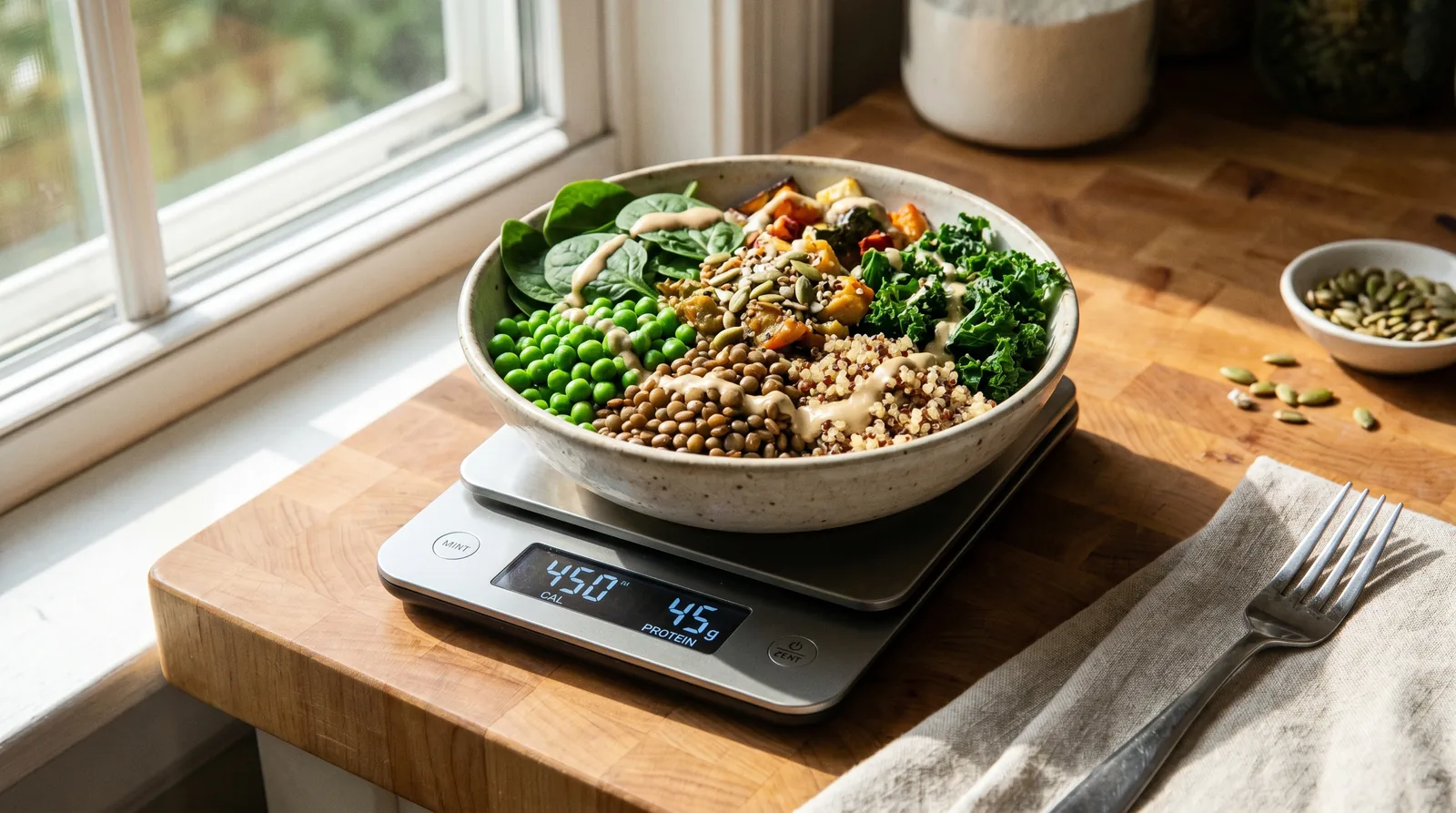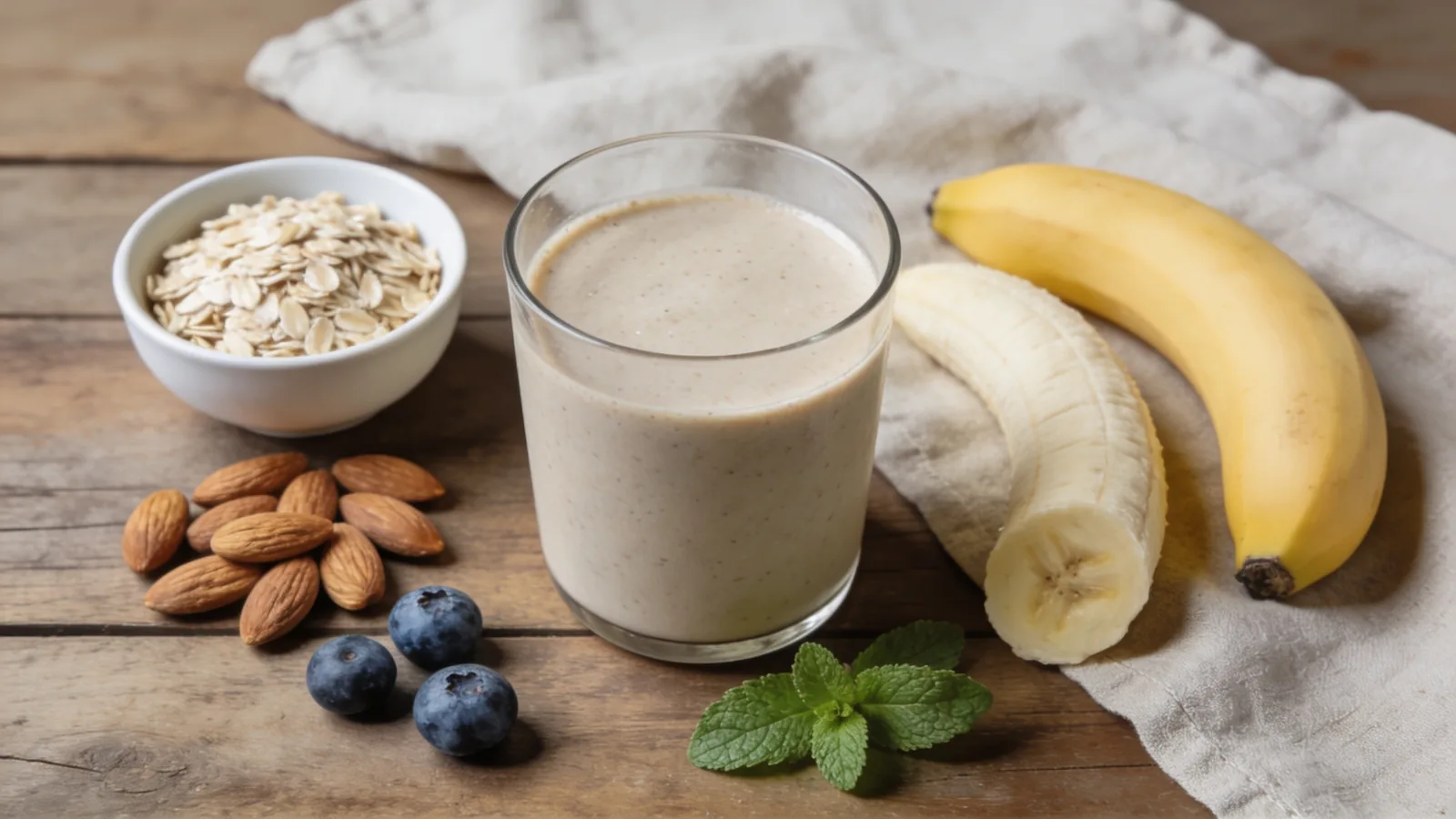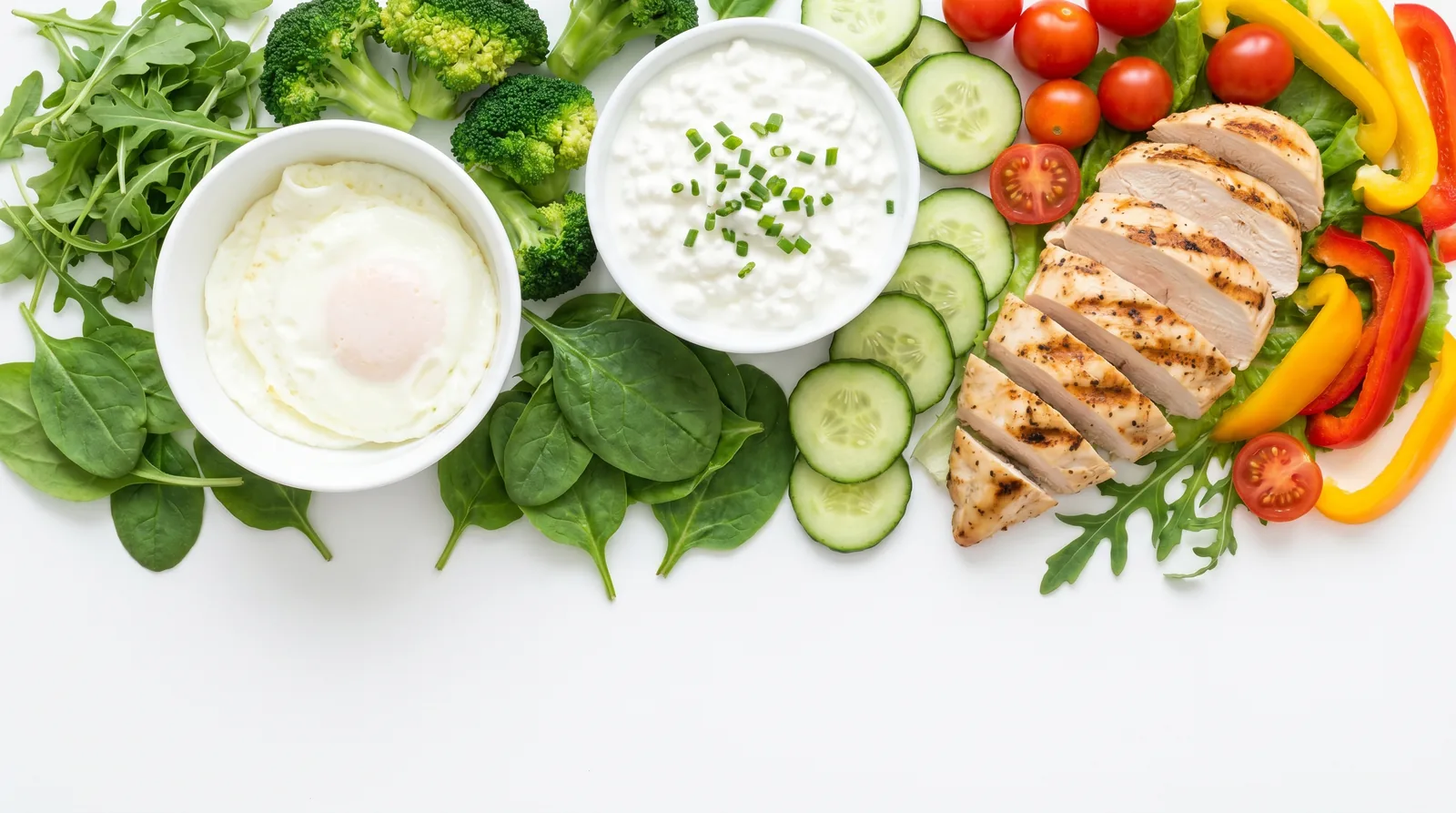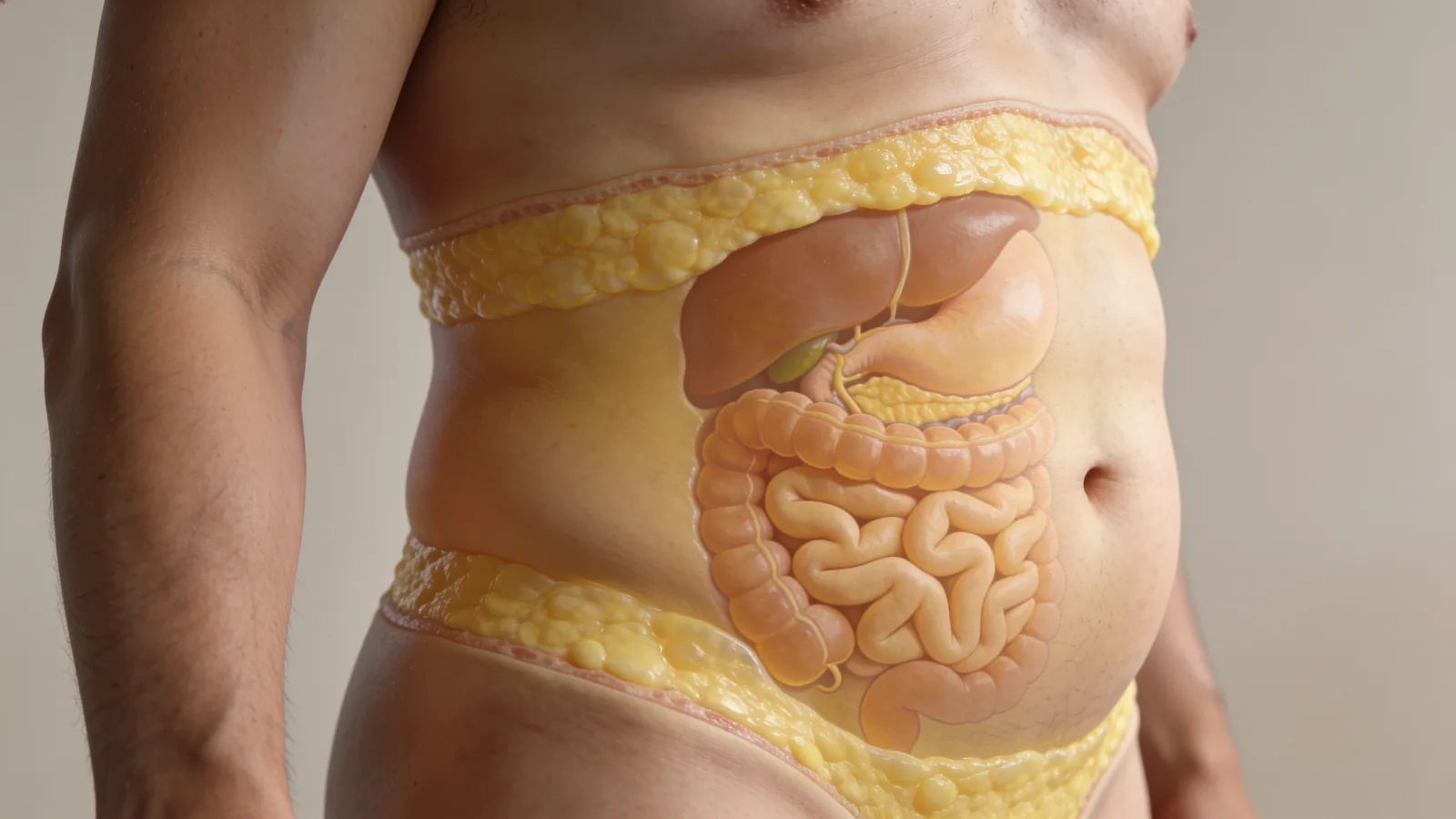
There is no protein powder for belly fat in the sense most people mean it: nothing you drink targets fat in one region of your body. Spot reduction is a myth — fat loss happens systemically, driven by an energy deficit, not by where the protein lands. What protein actually does is make the deficit easier to create and easier to hold, while protecting the muscle you would otherwise lose along the way.
No, protein powder does not burn belly fat specifically — you cannot spot-reduce fat from any single area. Higher protein intake supports overall fat loss because protein increases satiety and diet-induced thermogenesis more than carbohydrate or fat, and helps preserve lean muscle during a calorie deficit. As abdominal fat is among the body’s larger stores, it does shrink as total body fat falls — but only as part of whole-body loss, not because a shake targets it.
The distinction matters because the supplement aisle blurs it on purpose. A powder cannot reach into your midsection. A sustained calorie deficit can, and protein is the single macronutrient that makes a deficit tolerable. The mechanism is real; the marketing is not.
Why Spot Reduction Doesn’t Work
Spot reduction does not work because the body mobilizes fat from stores all over, governed by hormones and total energy balance — not by the muscle you train or the drink you consume. Doing crunches burns calories and builds abdominal muscle, but it does not preferentially strip fat from the skin above it. The same logic applies to any “belly-fat” shake.
When you are in a calorie deficit, fat is released from adipose tissue throughout the body and oxidized for energy. Where you lose it first is largely determined by genetics and sex hormones, which is why some people lose their face and arms before their waist. The abdomen is often one of the last places to visibly slim because it is one of the larger reserves — not because it is immune to a deficit.
How Protein Actually Helps With Fat Loss
Protein helps with fat loss through three measurable mechanisms: it increases satiety so you eat less, it raises the thermic cost of digestion, and it preserves lean muscle during a deficit. None of these target the belly — they make whole-body fat loss more efficient and more sustainable. The table below summarizes the evidence.
| Mechanism | What the research shows | Why it matters for fat loss |
|---|---|---|
| Satiety | Protein increases satiety and reduces subsequent energy intake more than carbohydrate or fat (PMID:18469287) | Lower spontaneous calorie intake makes a deficit easier to hold |
| Thermogenesis | High-protein meals raise satiety and diet-induced thermogenesis more than standard-protein meals (J Am Coll Nutr, 2004, PMID:15466943) | More energy is spent digesting protein than carbohydrate or fat |
| Energy balance | A diet with 25% of energy from casein increased energy expenditure, improved protein balance and satiety, and produced a negative fat balance (Am J Clin Nutr, 2009, PMID:19176726) | Higher protein shifts the body toward net fat loss |
| Muscle retention | Whey supplementation with resistance training increased fat-free mass with no significant change in body fat (PMID:31565912) | Keeping muscle keeps resting metabolism higher during weight loss |
The fourth row is the one people skip. When you cut calories without enough protein, a meaningful share of the weight you lose is muscle, not fat. That lowers your resting metabolic rate and makes the next pound harder. Adequate protein plus resistance training tilts the loss toward fat and away from muscle. For the fuller mechanism, our protein for weight loss guide walks through how protein fits a deficit, and our piece on how to lose fat without losing muscle covers the training side.
Does Protein Powder Build Muscle on Its Own?
No, protein powder does not build muscle on its own — it must be combined with resistance exercise. Supplementing protein without training does not produce meaningful muscle gain; the stimulus to build comes from the load you put on the muscle, and protein supplies the raw material. A shake is an ingredient, not a workout.
This is why “drink this and lose your belly” claims fall apart on inspection. Muscle protein synthesis has to exceed muscle protein breakdown over time for muscle to grow, and resistance training is what tips that balance. Protein then makes the gain possible. Potato protein isolate has been shown to stimulate muscle protein synthesis at rest and after resistance exercise in young women, using 25g per serving (Nutrients, 2020, PMID:32349353) — but the exercise was the point, the protein supported it.
How Much Protein Do You Need to Lose Fat?
Most people losing fat do well between roughly 1.6 and 2.2 grams of protein per kilogram of body weight, weighted toward the higher end during an aggressive deficit to protect muscle. The exact number depends on your weight, training, and how steep the cut is, so calculate it rather than guess. A higher relative intake matters more when calories are low, because muscle is most at risk then.
Protein powder is a tool for hitting that target, not a magic input. If you can reach your protein goal from food — eggs, dairy, fish, legumes — you do not need a powder at all. Powder earns its place when whole-food protein is inconvenient, expensive in calories, or hard on your stomach. To set a real number, see our walkthrough on how to calculate your daily protein target for weight loss.
What to Look For in a Protein Powder for Fat Loss
For fat loss, the useful criteria are simple: a high protein-to-calorie ratio, an ingredient list you can actually read, and third-party testing for contaminants. The powder itself does nothing special for your waistline — it is just a low-calorie way to hit a protein target without adding sugar, oils, or fillers.
Contaminant testing is not a footnote. In the Clean Label Project’s 2025 Protein Study 2.0, testing of 160 products from 70 brands found that 47% exceeded at least one federal or state safety standard (California Proposition 65), and plant-based powders contained five times more cadmium than whey-based ones. Consumer Reports’ 2025 testing of 23 products found more than two-thirds exceeded its safe daily lead limit, with plant-based products averaging nine times the lead of dairy-based powders. The lesson is not “avoid plant protein” — it is “know what is in the can.” A single-ingredient powder with a published certificate of analysis removes most of the guesswork.
Fewer ingredients also means fewer things to react to and fewer digestive surprises during a deficit, when appetite and gut comfort already feel fragile. Potato protein is classified as a low-FODMAP source by Monash University (Monash FODMAP, 2019), which makes it a reasonable option for sensitive stomachs. Our overview of what potato protein is covers the ingredient in detail, and does protein powder actually burn fat? dismantles the fat-burner framing point by point.
The Honest Summary
Protein does not burn belly fat. A calorie deficit reduces total body fat, the belly included, and protein makes that deficit easier to sustain while protecting muscle. The most useful thing a powder can do is help you hit a protein target with minimal calories and minimal additives. Everything else is the label talking.