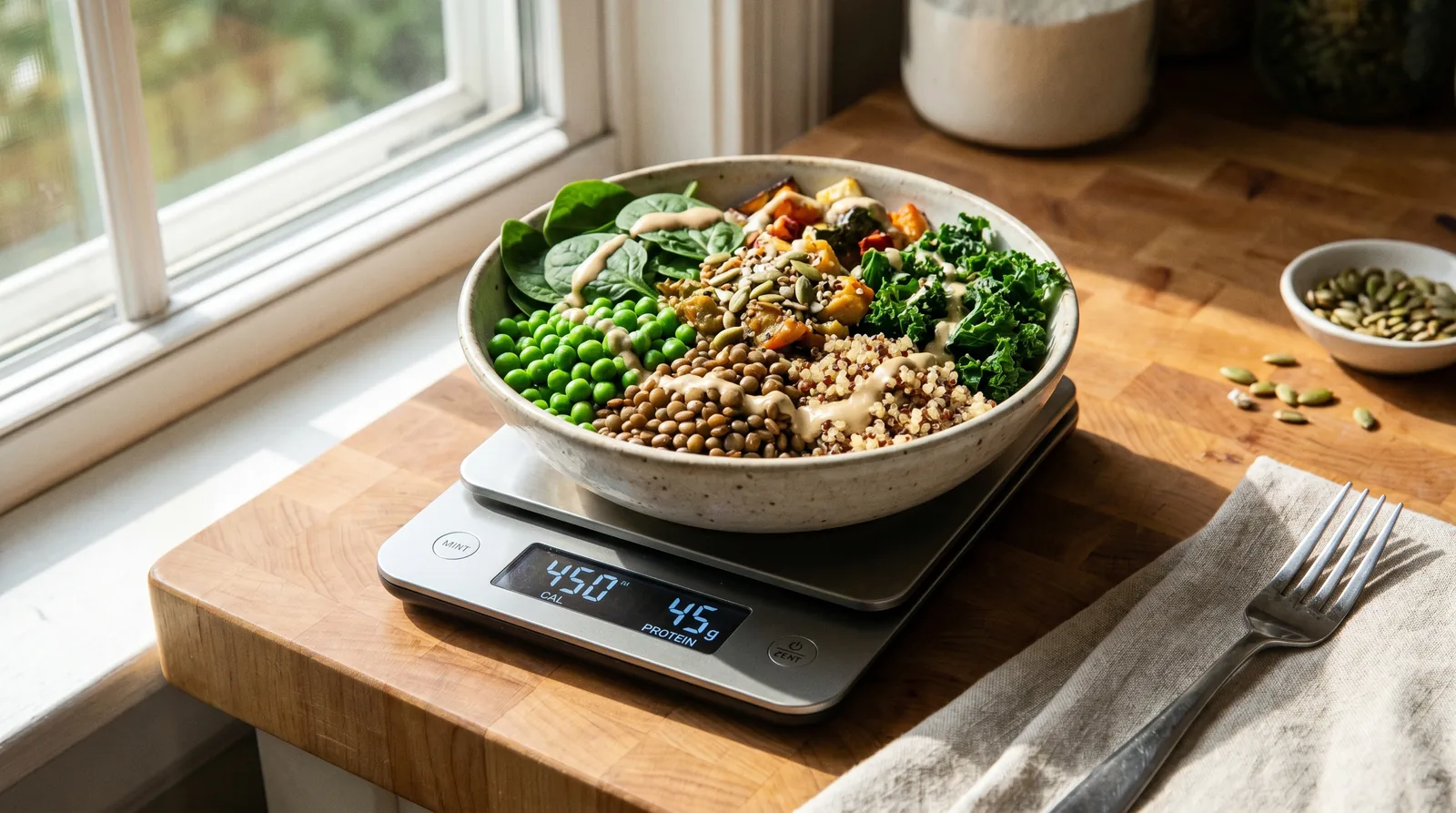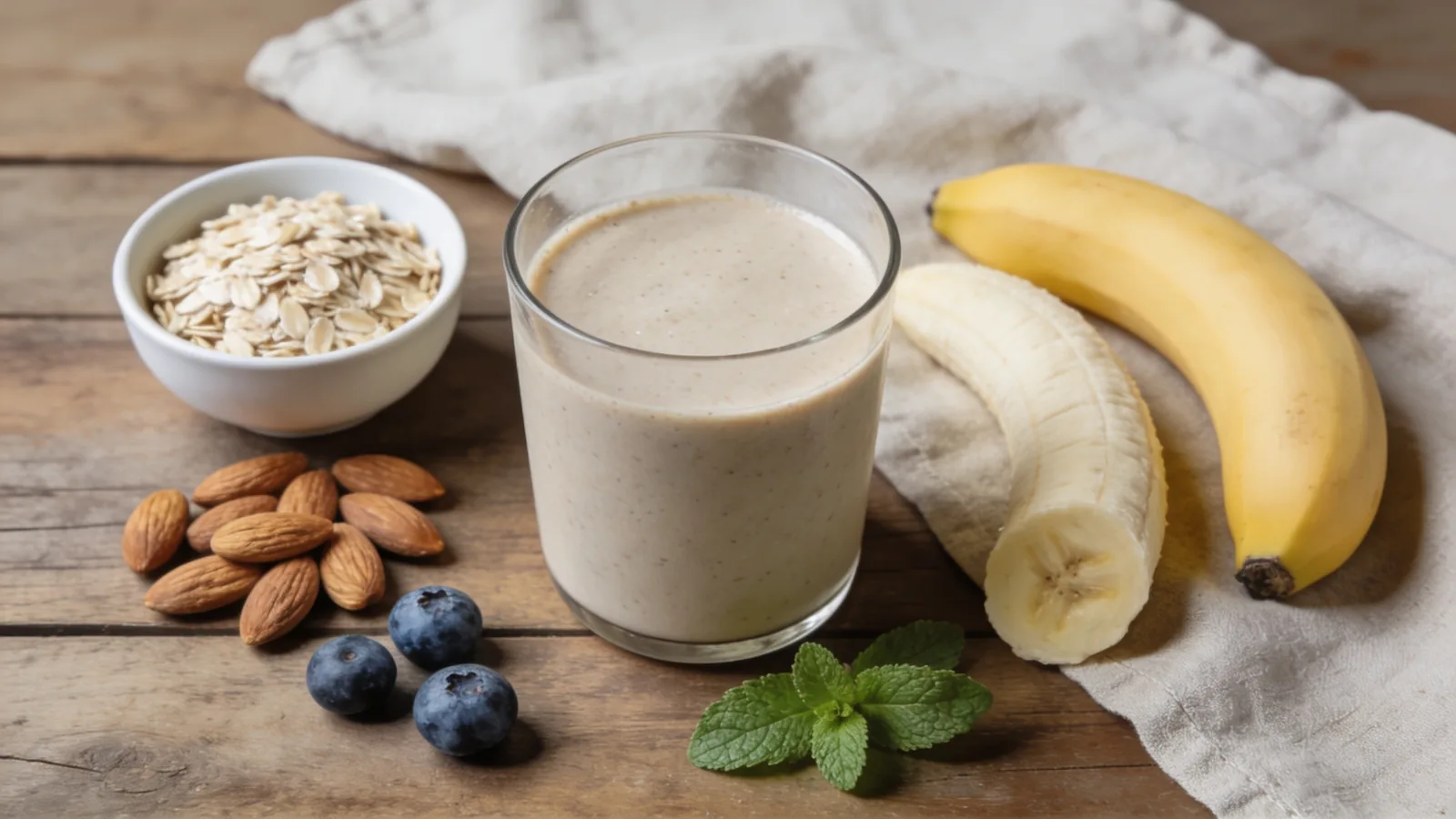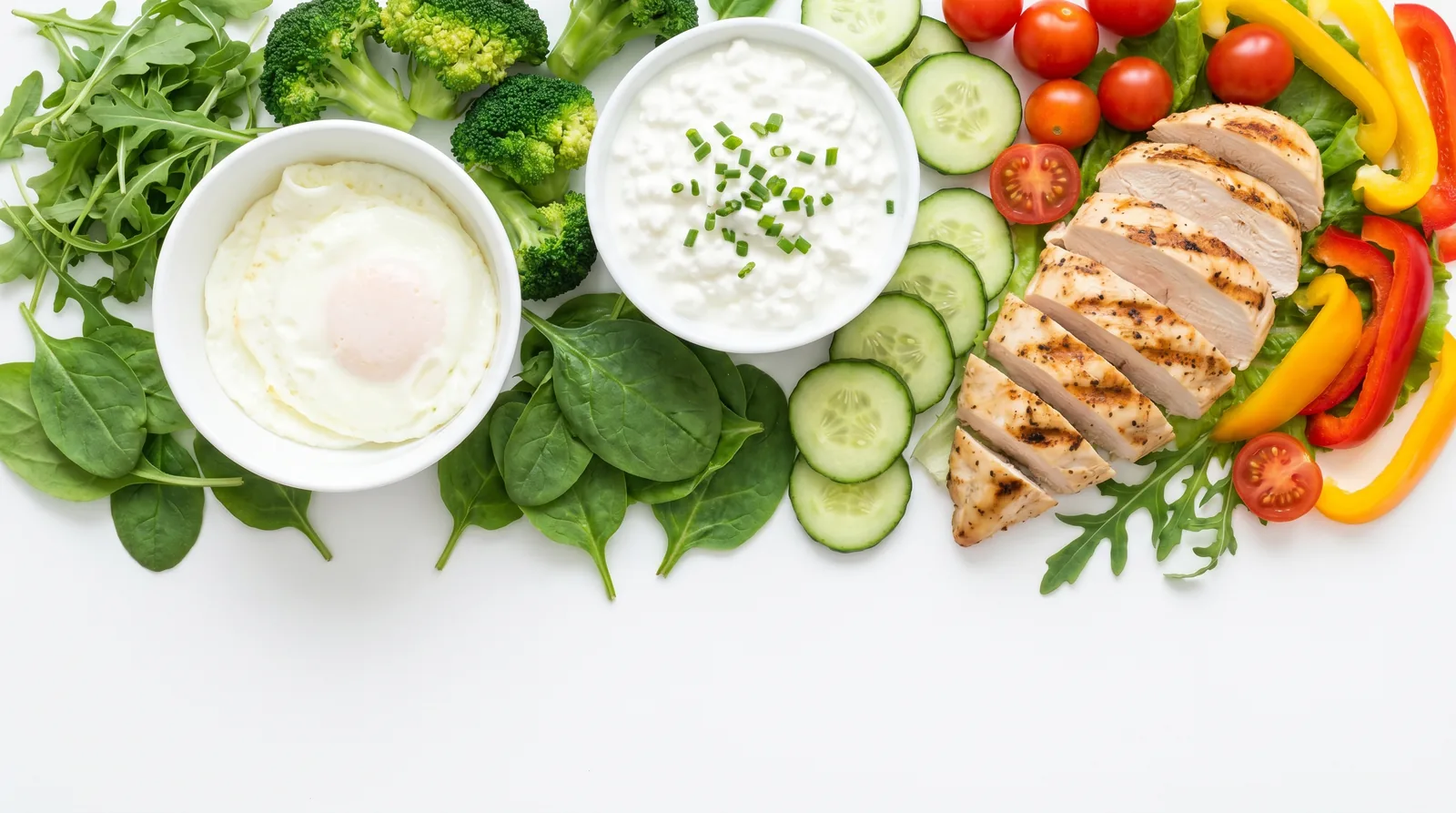
The first practical question is how much protein to build muscle and lose fat at the same time, and the honest answer is that the protein target matters more than almost anything else on the plate. A modest calorie deficit takes the body fat off. Adequate protein plus resistance training is what decides whether the weight you lose is fat or muscle. Get those two right and the scale moving down is a good thing rather than a quiet loss of lean tissue.
To lose fat without losing muscle, eat in a moderate calorie deficit (roughly 300–500 calories below maintenance) while keeping protein high — most evidence supports at least 1.5 g/kg of body weight per day, well above the 1.0–1.2 g/kg recommended for general maintenance (Clinical Nutrition, 2014, PMID:24814383). Pair that intake with resistance training two to four times a week. Protein increases satiety and the thermic effect of eating more than carbohydrate or fat (PMID:18469287), which makes the deficit easier to hold.
Strip body fat while holding onto the muscle you already have — by controlling calories, anchoring every meal with protein, and lifting. What you need: A protein source (28–35 g per serving) · A way to count calories for two weeks · Access to resistance training · Time: 20 min to set up
How to Lose Fat and Keep Muscle: The Steps
Set a moderate calorie deficit, not an aggressive one
Estimate your maintenance calories, then subtract roughly 300–500 per day. A deficit this size lets you lose fat at a sustainable rate while leaving enough energy to recover from training. Crash deficits do the opposite: they pull the body toward breaking down muscle for amino acids, and protein or energy restriction measurably lowers circulating IGF-I, a hormone tied to tissue maintenance (PMID:7531712).
Pitfall: Cutting 1,000+ calories a day usually backfires. The faster the weight drops, the larger the share that comes from lean mass and water rather than fat.
Set a daily protein target you will actually hit
This is the lever that protects muscle in a deficit. General maintenance guidance sits at 1.0–1.2 g/kg of body weight per day for older adults (Clinical Nutrition, 2014, PMID:24814383), but a fat-loss phase calls for more. In research, “high protein” is commonly defined as at least 1.5 g/kg, at least 20% of energy, or at least 100 g per day (The Journal of Nutrition, 2018, PMID:30383278) — and at that level there is no measurable harm to kidney function in healthy adults. Pick a number in that range and treat it as a floor.
Protein also makes the deficit easier to live in. It increases satiety and reduces later energy intake more than carbohydrate or fat (PMID:18469287), and high-protein meals raise both satiety and the thermic cost of eating compared with standard-protein meals (Journal of the American College of Nutrition, 2004, PMID:15466943). For the full breakdown of intake by goal, see our guide to protein for weight loss.
Lift weights two to four times a week
Protein supplies the building material; resistance training is the signal that tells the body to keep that material in muscle rather than discard it. Muscle growth and maintenance both depend on muscle protein synthesis exceeding breakdown over time (Sports Medicine, 2014, PMID:24791918). In a randomized trial, whey supplementation combined with resistance training increased fat-free mass with no significant change in body fat — gains went to muscle, not fat (PMID:31565912).
Consuming protein without training does not build or hold muscle on its own; the two work together. Focus on compound movements — squats, hinges, presses, rows — and aim to keep your working weights steady or rising even as calories drop. For more detail, read whether shakes or the training itself build muscle.
Spread protein across three or four meals
Total daily protein matters most, but distribution helps. Each meal should land enough leucine to trigger muscle protein synthesis, since leucine is the primary amino acid that initiates that response. Per-meal protein targets become more important with age, when distributing intake evenly across meals appears to matter as much as the daily total for maintaining muscle (The Journal of Frailty & Aging, 2016, PMID:26980369).
A practical version: 28–40 g of protein at each main meal, plus a protein-forward snack if you are training that day. Spacing it out also steadies appetite across the day, which keeps the deficit from turning into an evening binge.
Choose protein sources with enough leucine
In a deficit, protein quality earns its keep. Whey isolate, which is 90–95% protein with under 1% lactose (mindbodygreen, 2023), digests quickly and carries a high leucine load. Plant proteins generally produce a lower, slower rise in essential amino acids and leucine, but the gap is closable. A 20 g plant-protein blend supplied 1.5 g of leucine — half a whey dose — yet once free leucine brought it to 3.0 g, its muscle protein synthesis response was statistically indistinguishable from whey (The Journal of Nutrition, 2024, PMC11153912).
Potato protein isolate is one of the higher-quality plant options: 25 g taken twice daily stimulated muscle protein synthesis at rest and after exercise in young women (Nutrients, 2020, PMID:32349353). Over an 84-day training study, pea protein and whey produced comparable gains in muscle mass and strength (Nutrients, 2024, PMC11243455). The point is to hit your leucine threshold per meal — see whey vs plant protein for muscle for how the sources compare.
Tip: A single-ingredient potato protein isolate gives you the amino acids without dairy, soy, egg, or gluten. It disappears into your food.
Track for two weeks, then adjust by the trend
Weigh yourself a few mornings a week and average it. If the weekly trend is falling slowly while your lifts hold, you are losing fat and keeping muscle — leave everything alone. If strength is dropping fast or weight is falling more than about 1% a week, the deficit is too steep or protein is too low. Raise protein first, then ease the deficit. After 40, recovery and muscle retention get harder, so build in more patience; our protein after 40 guide covers why.
Checklist
- Calorie deficit set at roughly 300–500 below maintenance
- Daily protein at or above 1.5 g/kg of body weight
- Resistance training two to four times a week
- Protein split across three or four meals, 28–40 g each
- Each meal hits its leucine threshold
- Weight and strength tracked weekly; adjust by the trend, not the day