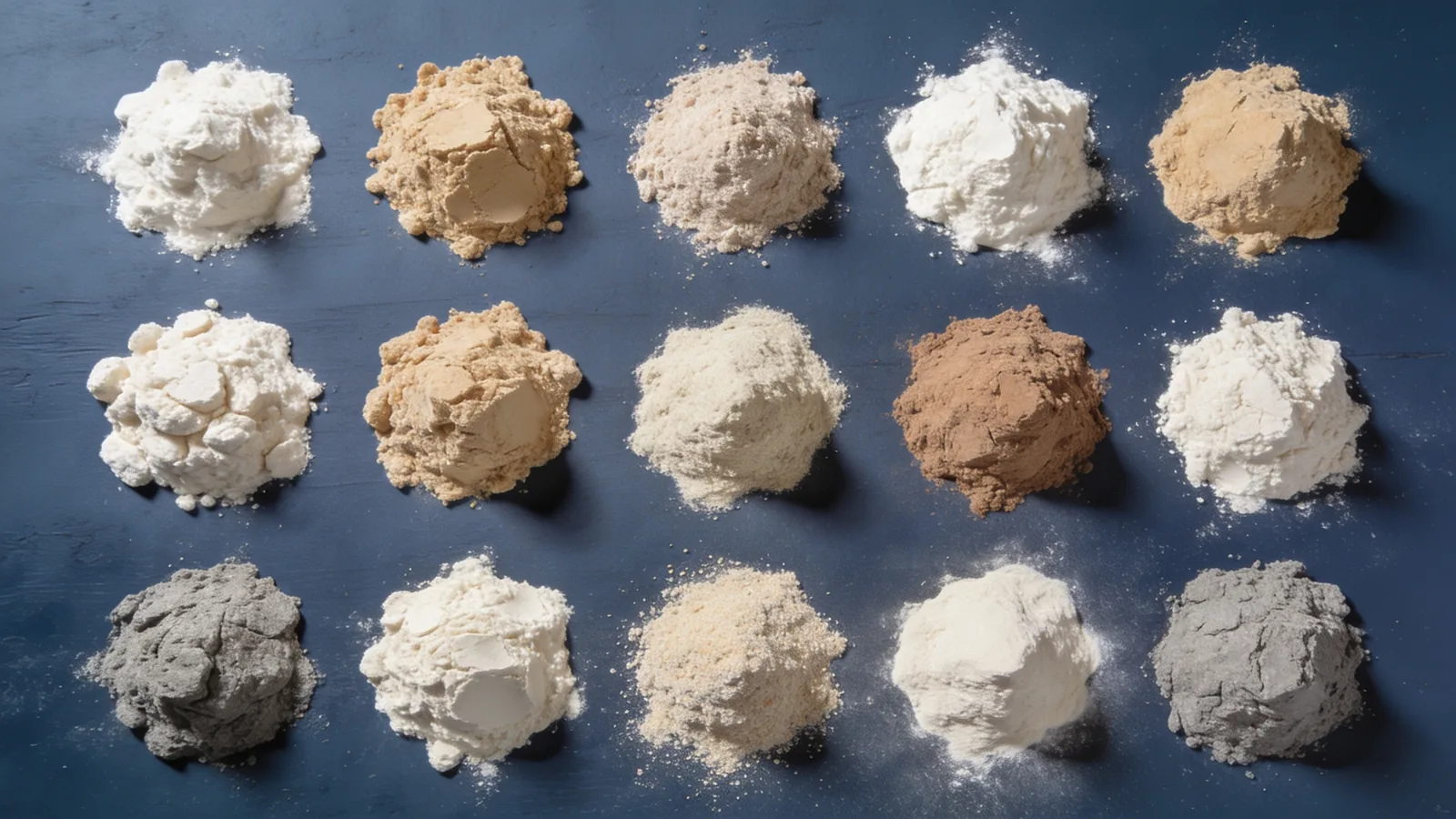
Your body absorbs nearly all of the protein you eat, including a 100g serving — protein bioavailability describes the fraction that survives digestion and reaches your tissues, and for high-quality sources that fraction sits well above 90%. The widely repeated claim that you can “only absorb 20-30g of protein per meal” confuses two different processes: absorption (moving amino acids into the bloodstream) and utilization (using them to build muscle). The first has no practical ceiling. The second does.
Yes — your body can absorb 100g of protein in one sitting. Absorption across the small intestine is slow and near-complete; given enough time, almost all digestible protein is taken up. What is limited is how much a single meal stimulates muscle protein synthesis, which plateaus at roughly 25-40g of high-quality protein. The amino acids beyond that threshold are not wasted: they are used for energy, other tissues, and protein turnover throughout the body.
What Is Protein Bioavailability?
Protein bioavailability is the proportion of ingested protein that is digested, absorbed, and made available for the body to use. It is measured by scores such as PDCAAS and DIAAS and by nitrogen balance. A 2024 review in Foods describes these quality metrics as central to judging whether a protein can support muscle protein synthesis, with animal proteins generally scoring higher than plant proteins.
Two terms define the rest of this article. The Protein Digestibility-Corrected Amino Acid Score (PDCAAS) rates a protein from 0 to 1.00 based on its amino acid profile and digestibility; egg white scores 1.00, while wheat gluten scores about 0.25. The Digestible Indispensable Amino Acid Score (DIAAS), proposed by the FAO in 2013 to replace PDCAAS, measures digestibility at the end of the small intestine rather than the whole gut — a more precise gauge of what actually reaches your tissues. The difference between the two scores, and why the newer one matters, is covered in our guide to DIAAS vs PDCAAS.
Absorption vs. Utilization: Two Different Questions
“Can you absorb 100g at once” sounds like one question but is really two. Absorption is a transport problem: enzymes break protein into amino acids and small peptides, which cross the intestinal wall over hours. There is no fixed gram limit on this process — a larger meal simply takes longer to clear, and digestion of “slow” proteins like casein can continue for many hours after eating.
The speed of that uptake varies by protein type. The classic distinction between “fast” and “slow” proteins, established in human feeding studies, shows that the rate of amino acid appearance in the blood shapes postprandial protein synthesis, breakdown, and net deposition. Fast proteins produce a sharp, brief spike; slow proteins produce a lower, prolonged rise. Both are absorbed. They simply arrive on different schedules.
Utilization is the real bottleneck. Muscle protein synthesis (MPS) — the process that builds and repairs muscle tissue — responds to a meal up to a point and then plateaus, regardless of how much more protein you add. Leucine is the primary amino acid trigger for MPS, and once the leucine threshold is crossed, additional protein produces diminishing returns for muscle building specifically. That plateau is the kernel of truth inside the “30g maximum” myth. The myth’s error is treating a limit on muscle stimulation as a limit on absorption.
Absorption is a transport problem with no gram ceiling. The “30g maximum” is really a limit on muscle stimulation per meal — not on what your gut can take in.
What the Research Says About Per-Meal Limits
Per-meal MPS is driven by both dose and protein quality. In a randomized controlled trial, 30g of whey protein after resistance exercise raised myofibrillar protein synthesis significantly above placebo (0.041 vs 0.032 %·h⁻¹), while 30g of collagen — an incomplete protein — did not (0.036 %·h⁻¹). The leucine and essential amino acid rise was greater after whey. Same gram dose, different result: quality decides how much of an absorbed dose translates into muscle building.
Plant proteins can clear the threshold too, just with a slightly smaller response. In young adults, 20g of a plant-protein blend raised myofibrillar MPS from a fasted baseline of 0.015%/h to 0.041%/h — significantly, though about 12% below whey’s 0.046%/h. The gap is real but narrow, and it shrinks further with adequate dosing.
Potato protein isolate is a useful case study. A 2020 trial in Nutrients found that 25g of potato protein isolate stimulated muscle protein synthesis at rest and after exercise in young women — evidence that a single, high-quality plant dose drives the same anabolic response long assumed to require animal protein. Reported DIAAS values for potato protein isolate run as high as 100%, placing its bioavailability among the highest of any plant source.
| Protein source | PDCAAS | DIAAS | Notes |
|---|---|---|---|
| Egg white | 1.00 | — | Reference-grade quality |
| Whey isolate | 1.00 | — | 90-95% protein, <1% lactose |
| Soy isolate | 1.00 | — | Complete plant protein |
| Potato protein isolate | Among highest of plant sources | up to 100 | 80-95% protein (dry basis) |
| Wheat gluten | 0.25 | — | Limited by low lysine |
Reliable single-figure PDCAAS values are not established in the verified record for every source, which is why some cells above carry the qualitative rating instead of a number. The pattern still holds: a handful of complete proteins top out at 1.00, and potato protein isolate sits in that upper tier.
How to Distribute Protein Across the Day
Because per-meal MPS plateaus while absorption does not, distribution matters more than any single large dose for muscle maintenance. Spreading protein across meals — roughly 25-40g of a high-quality source at each — keeps MPS elevated more often than loading it all at once. The case for per-meal targets is strongest in aging, where the distribution of protein across the day may matter as much as the total for preserving muscle mass. If you are over 40 and rebuilding intake, our guide to protein after 40 covers the anabolic-resistance angle in detail.
None of this means a 100g meal is “wasted.” Amino acids beyond the MPS ceiling are oxidized for energy, used to synthesize other proteins and enzymes, or stored as the building blocks of ongoing tissue turnover. The body runs a constant amino acid economy; surplus from one meal supports needs that a strict three-meal MPS model ignores. For the practical mechanics of reaching a daily target, see the most bioavailable, easiest-to-digest protein.
Source quality is where a single-ingredient isolate earns its place. Potato protein isolate is a complete, allergen-free protein that clears the leucine threshold at a 25g dose, and it does so without dairy, soy, egg, or nuts. If you want the full breakdown of what potato protein isolate is and how it is made, that pillar covers extraction and amino acid profile.
Limitations and What We Still Don’t Know
The MPS plateau is measured over a few postprandial hours in controlled trials; it does not capture the full day’s protein economy, and most studies use whey, milk, or single plant isolates rather than mixed whole-food meals, which digest more slowly. The “25-40g per meal” figure is a reasonable working range, not a hard law — body size, training status, and age all shift it. Older adults show anabolic resistance, a blunted MPS response that may require larger per-meal doses.
Two safety questions deserve direct answers. When protein intake exceeds what the small intestine digests and reaches the colon, gut bacteria ferment the remainder into short-chain fatty acids, ammonia, and other compounds — a process whose long-term significance is still being studied. And on kidneys: a 2018 systematic review of 28 trials in 1,358 participants found no difference in glomerular filtration rate between higher- and lower-protein diets in healthy adults, with high protein defined as 100g per day or more. Existing kidney disease is a separate clinical situation that warrants medical guidance.
References
- Protein Nutrition: Understanding Structure, Digestibility, and Bioavailability. Foods. 2024. PMID: 38890999.
- Schaafsma G. The Protein Digestibility-Corrected Amino Acid Score. Journal of Nutrition. 2000. PMID: 10867064.
- Proceedings of the National Academy of Sciences USA. 1997. PMID: 9405716.
- Aussieker T, et al. Medicine & Science in Sports & Exercise. 2023;55(10):1792-1802. PMID: 37202878.
- Journal of Nutrition. 2024. PMC11153912.
- Potato Protein Isolate Stimulates Muscle Protein Synthesis at Rest and after Recovery from Exercise in Young Women. Nutrients. 2020. PMID: 32349353.
- Herreman et al. Food Science & Nutrition. 2020. PMID: 33133540.
- The Journal of Frailty & Aging. 2016. PMID: 26980369.
- Gilbert MS, Ijssennagger N, Kies AK, van Mil SWC. American Journal of Physiology - Gastrointestinal and Liver Physiology. 2018;315(2):G159-G170. PMID: 29597354.
- Devries MC, et al. The Journal of Nutrition. 2018. PMID: 30383278.