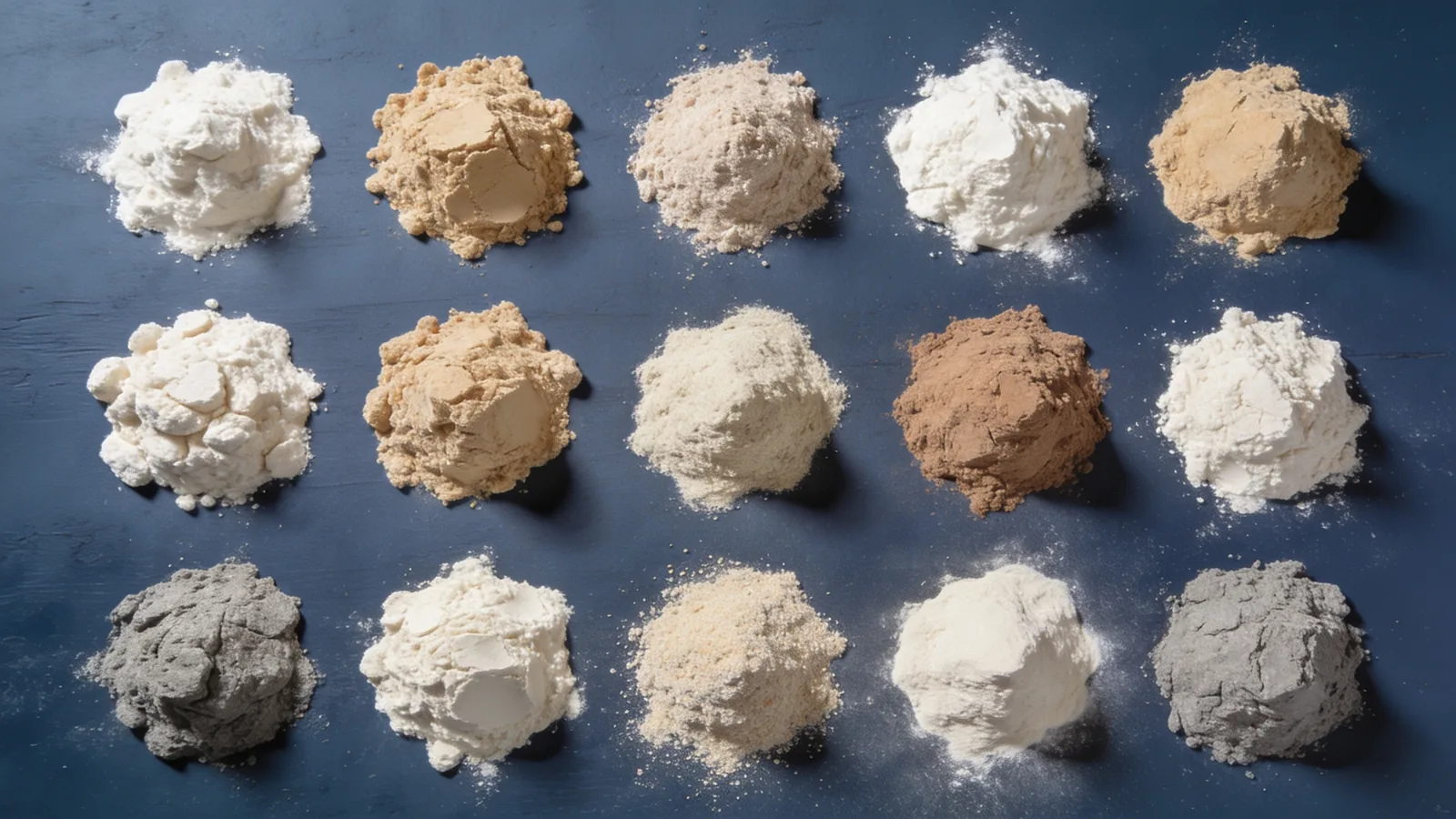
The most bioavailable protein is the one your body can digest, absorb, and then actually use to build tissue — and by the two scoring systems nutrition scientists rely on, animal proteins still lead. Egg, milk, whey, and casein each reach the maximum 1.00 on PDCAAS, the FAO/WHO protein-quality standard. What surprises most label-readers is how close a few plant isolates have come.
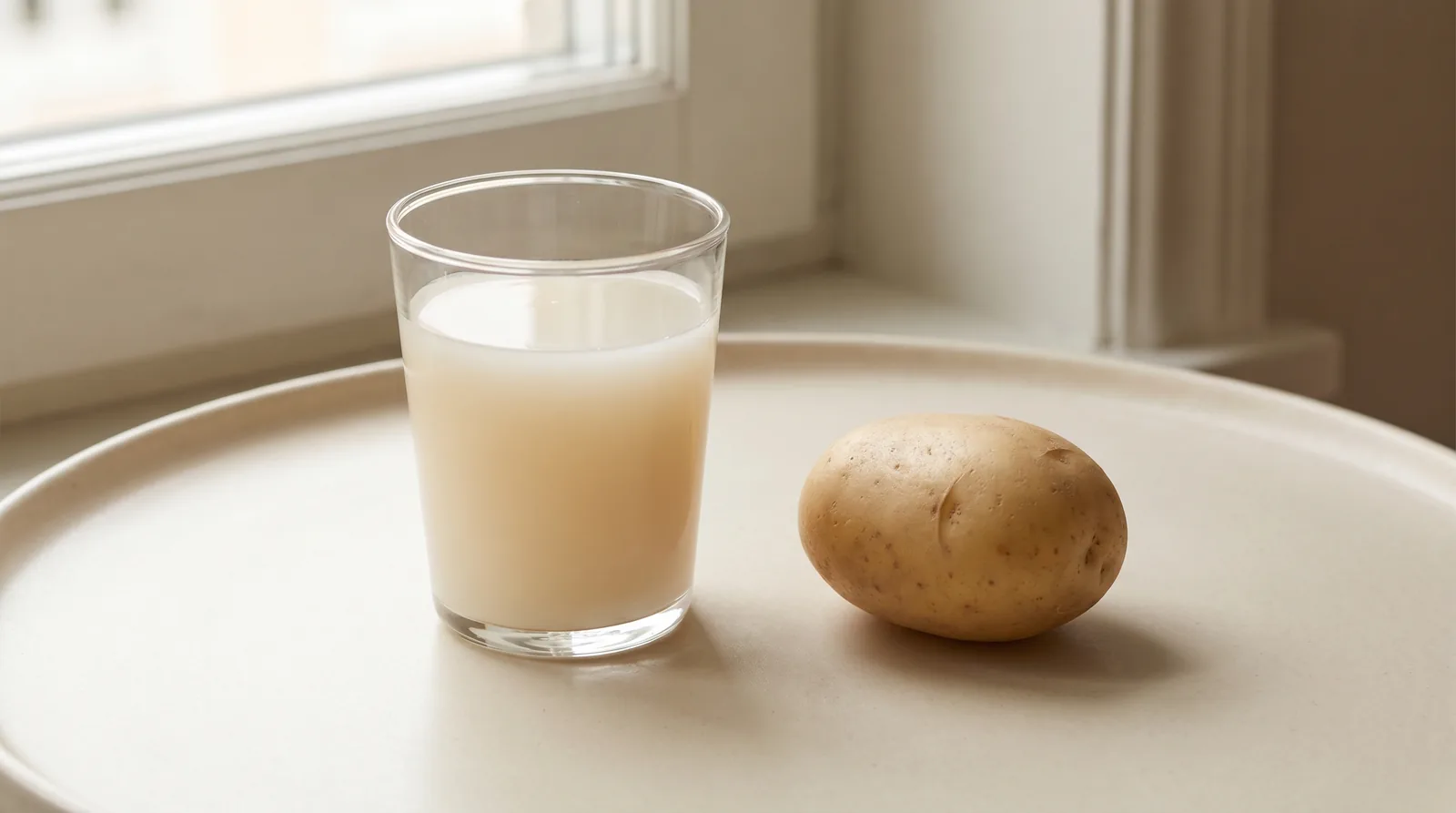
The most bioavailable proteins are animal-derived: egg, milk, whey, and casein all score the maximum 1.00 on PDCAAS. Among plant proteins, soy and potato protein isolate are the standouts — both have been reported to reach a DIAAS of roughly 100, comparable to whey isolate (94–100). Potato protein isolate also stimulates muscle protein synthesis in humans and is classified low-FODMAP, making it one of the easiest plant proteins to digest.
What Does “Most Bioavailable Protein” Actually Mean?
Bioavailability describes how much of a protein you eat ends up available to your body as amino acids, after digestion and absorption. A bioavailable protein has two things at once: a complete profile of all nine essential amino acids in the right proportions, and a structure your gut can break down efficiently. A protein can be complete on paper yet poorly absorbed — so both halves matter.
The single amino acid that does the most work is leucine, the primary trigger for muscle protein synthesis (MPS) — the process by which your body assembles new muscle tissue. Animal proteins generally carry more leucine per gram and digest faster, and a 2024 review concluded that animal proteins are generally more digestible than plant proteins, with higher amino acid bioavailability. That is the mechanism behind every ranking below.
How Is Protein Bioavailability Measured?
Protein bioavailability is measured mainly by two scores: PDCAAS and DIAAS. PDCAAS (Protein Digestibility-Corrected Amino Acid Score) is the long-standing FAO/WHO method, comparing a protein’s limiting amino acid against human requirements and correcting for digestibility. DIAAS (Digestible Indispensable Amino Acid Score), proposed by the FAO in 2013 to replace it, measures digestibility at the end of the small intestine instead.
The practical difference matters. PDCAAS caps, or “truncates,” any score above 1.00 — so several high-quality proteins all read as a flat 1.00 even when one is genuinely richer than another. DIAAS does not truncate, which is why casein can score about 1.15 (115%) while pea sits at 1.00. Net Protein Utilization (NPU), an older measure, also accounts for digestibility and is considered a reasonable estimate of quality, but DIAAS is now the more precise tool. For a deeper walkthrough, see our explainer on PDCAAS and protein quality.
| Protein source | PDCAAS | DIAAS (%) | Common allergen? |
|---|---|---|---|
| Egg | 1.00 | >100 | Yes (egg) |
| Whey isolate | 1.00 | 94–100 | Yes (dairy) |
| Casein | 1.00 | ~115 | Yes (dairy) |
| Soy isolate | 1.00 | ~90 | Yes (soy) |
| Potato protein isolate | — | up to 100 | No |
| Pea isolate | — | 100 | No |
| Wheat gluten | 0.25 | — | Yes (gluten) |
Values from Schaafsma (2000) for the PDCAAS figures, Herreman et al. (2020), and the 2021 pea-versus-casein digestibility trial. Reliable PDCAAS figures for potato and pea isolate are not established in the literature, so those cells are left without a number.
Which Protein Is the Most Bioavailable?
By raw score, animal proteins are the most bioavailable: egg, milk, whey, and casein all reach the PDCAAS ceiling of 1.00, and on the non-truncated DIAAS scale casein climbs to roughly 115. Whey is the most efficient single trigger for muscle synthesis because it digests fast and carries a high leucine load.
The muscle-synthesis evidence backs this up. In young men, whey hydrolysate stimulated more post-exercise mixed-muscle protein synthesis than casein or soy, attributed to its faster absorption and higher leucine content. In older men, whey also produced greater postprandial muscle protein accretion than casein. Plant proteins tend to produce a lower, slower rise in essential amino acids — in one 2024 trial, a 20 g plant-protein blend raised myofibrillar synthesis to 0.041%/h versus 0.046%/h for whey, a real but modest gap.
The gap is narrowing, and a few plant isolates sit much closer to the top than their reputation suggests. Both soy and potato protein isolate have been reported to reach a DIAAS of roughly 100 — comparable to whey isolate. More to the point, potato protein isolate has been tested directly in humans: 25 g of potato protein isolate stimulated muscle protein synthesis at rest and after resistance exercise in young women, a result that implies high digestibility and amino acid quality. You can read more about where that ranks in our overview of whey versus plant protein for muscle growth.
A protein can be complete on paper and still be poorly absorbed. Digestibility is half of the score — and the half most labels ignore.
What Is the Easiest Protein to Digest?
The easiest protein to digest is one that is both highly absorbable and low in the fermentable carbohydrates that trigger gut symptoms. Potato protein isolate is classified as a low-FODMAP protein source by Monash University, which makes it a sound choice for sensitive stomachs — a profile that does not depend on the dose being small.
For comparison, whey isolate is far better tolerated than whey concentrate because concentrate retains more lactose, a FODMAP, while isolate is processed to remove most of it. Some plant isolates carry their own baggage: soy and pea can be difficult to purify and may retain FODMAPs such as galacto-oligosaccharides and fructans, enough to provoke IBS symptoms in sensitive people. Single-ingredient potato protein sidesteps the most common allergens entirely — no dairy, egg, soy, gluten, or nuts. We rank the full field by tolerability in our guide to the easiest protein to digest for sensitive stomachs.
Potato protein isolate typically runs 80–95% protein on a dry basis, depending on the manufacturer’s extraction method. If you want the underlying chemistry — how patatin-rich isolate is made and what it contains — start with our complete guide to potato protein.
Limitations: Why Bioavailability Isn’t the Whole Story
Bioavailability scores describe a single isolated protein eaten alone — not how it behaves inside a mixed meal or across a full day. The Academy of Nutrition and Dietetics has long held that an assortment of plant foods eaten over a day supplies all essential amino acids and supports adequate nitrogen retention in healthy adults. A lower DIAAS on one food rarely translates into a shortfall when total protein intake is met.
There are trade-offs in the other direction too. Higher plant-to-animal protein ratios are associated with lower cardiovascular disease risk, and plant proteins shift the gut microbiome toward butyrate-producing bacteria. The “best” protein for you depends on your goal — peak per-meal muscle synthesis, digestive tolerance, allergen avoidance, or long-term cardiovascular profile — not on a single ranking. And the numbers in this article describe isolated proteins under controlled conditions; food matrices, cooking, and processing all shift real-world absorption. Heating protein does not destroy its amino acid content, but it can change texture and solubility.
References
- Herreman L, et al. Food Science & Nutrition (2020). PMID:33133540.
- Schaafsma G. The Protein Digestibility-Corrected Amino Acid Score. Journal of Nutrition (2000). PMID:10867064.
- Oikawa SY, et al. Potato Protein Isolate Stimulates Muscle Protein Synthesis at Rest and after Recovery from Exercise in Young Women. Nutrients (2020). PMID:32349353.
- Real ileal digestibility and DIAAS of pea protein versus casein. The American Journal of Clinical Nutrition (2021). PMID:34665230.
- Ingestion of whey hydrolysate, casein, or soy protein isolate: effects on mixed muscle protein synthesis at rest and after resistance exercise in young men. Journal of Applied Physiology (2009). PMID:19589961.
- Whey protein stimulates postprandial muscle protein accretion more effectively than do casein and casein hydrolysate in older men. The American Journal of Clinical Nutrition (2011). PMID:21367943.
- Myofibrillar muscle protein synthesis response to a plant-protein blend versus whey. The Journal of Nutrition (2024).
- Protein Nutrition: Understanding Structure, Digestibility, and Bioavailability. Foods (2024). PMID:38890999.
- Monash University FODMAP. Protein powders and IBS (Monash FODMAP blog).