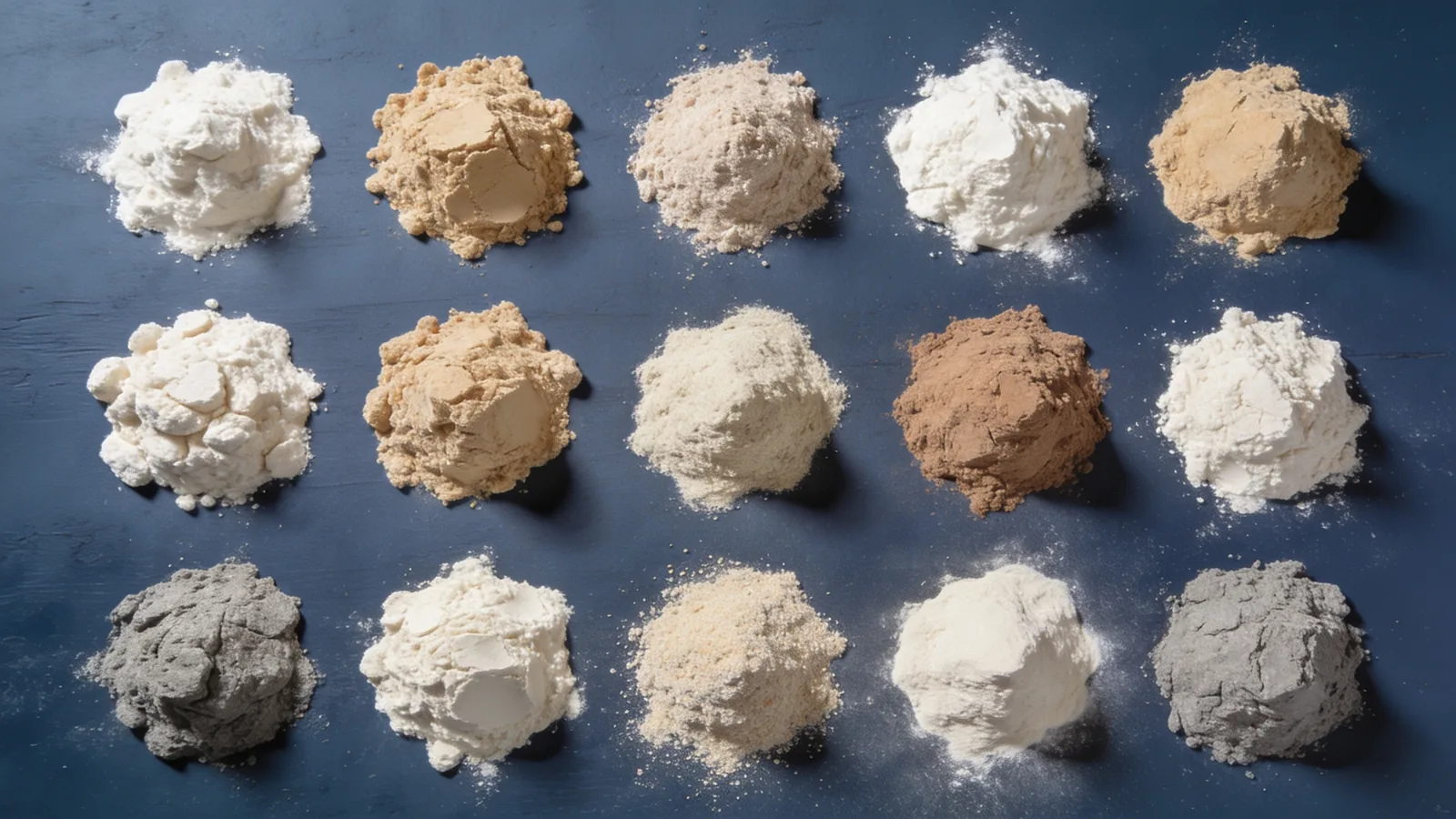
The difference between PDCAAS vs DIAAS comes down to two things: where digestibility is measured, and whether the score is allowed to exceed 1.00. PDCAAS, the standard since the early 1990s, truncates every result at 1.00 and measures digestibility at the end of the digestive tract. DIAAS, proposed by the FAO in 2013, measures absorption at the small intestine and lets a protein score above 100%.
PDCAAS (Protein Digestibility Corrected Amino Acid Score) was the FAO standard from the early 1990s; it truncates scores at 1.00 and uses fecal digestibility. DIAAS (Digestible Indispensable Amino Acid Score), proposed by the FAO in March 2013, uses ileal (small-intestine) digestibility and does not truncate, so a protein can score above 100%. Because DIAAS does not flatten the top of the scale, it separates proteins that PDCAAS rates identically — for example, unprocessed soya scores DIAAS 86% versus PDCAAS 92%.
This guide is built for the label-reader who wants to know which number actually tells her something. We compared the two scoring systems, then ranked four widely sold protein sources by what each score reveals — and where the two disagree.
Top Options by Category
Potato protein isolate
Strongest all-around plant option
Potato protein isolate has a PDCAAS of 0.92–1.00 and a DIAAS reported as high as 100% (Food Science & Nutrition, Herreman et al., 2020, PMID 33133540) — placing it alongside several animal proteins. Commercial isolates are more than 90% protein (AURI report, Kleba and Ismail, 2018). An older raw amino acid score of 65% has been reported (PMID 34507729), reflecting its most limiting amino acid before digestibility correction; the higher isolate figures account for how completely the small intestine absorbs it. It is a single ingredient with none of the common allergens. What potato protein actually is covers the source in detail.
Pros:
- DIAAS reported as high as 100%; PDCAAS 0.92–1.00
- Free of dairy, soy, egg, nuts, and gluten
- One ingredient — nothing to react to
- Isolates exceed 90% protein
Cons:
- Fewer long-term human trials than whey
- Earthy taste some people notice
- Sold by far fewer brands than pea or whey
Whey protein isolate
Best-studied animal option
Whey scores 1.00 on PDCAAS and reports a DIAAS of roughly 94–100%. It has decades of muscle-protein-synthesis research behind it and a high leucine content. If you tolerate dairy and want the most-documented choice, this is it.
Pros:
- PDCAAS 1.00; DIAAS in the 94–100% range
- High leucine; rapid absorption
- Largest body of human evidence
Cons:
- Dairy allergen; not suitable for milk-protein allergy
- Concentrates carry lactose (isolate far less)
- Not an option for vegans
Soy protein isolate
Highest-scoring plant standby
Soy protein isolate scores 1.00 on PDCAAS. This is where DIAAS earns its keep: unprocessed soya scores DIAAS 86% versus PDCAAS 92% (Frontiers in Nutrition, 2024, PMID 39021594), a gap PDCAAS truncation hides. Refined soy isolate still rates well, but soy is one of the most common food allergens.
Pros:
- PDCAAS 1.00 for the isolate
- Complete amino acid profile
- Widely available and inexpensive
Cons:
- Soy is a major allergen
- Unprocessed forms score lower on DIAAS than PDCAAS suggests
- Often hidden in multi-ingredient blends
Pea protein isolate
Common vegan choice with a known limit
Pea protein isolate has a DIAAS of 1.00, compared with 1.45 for casein, in a controlled human study where pea’s ileal digestibility averaged 93.6% versus 96.8% for casein (Am J Clin Nutr, 2021, PMID 34665230). Its limiting amino acids are methionine plus cysteine — averaging just 2.6 g/100g protein, a chemical score of 46% across new genotypes (Molecules, 2024, PMID 39519674). Pea protein’s real pros and cons goes deeper.
Pros:
- DIAAS of 1.00; complete enough to stand alone
- Vegan and widely sold
- High in lysine
Cons:
- Limited in sulfur amino acids (methionine + cysteine)
- Several amino acids less digestible than casein
- Can carry FODMAPs that bother sensitive guts
What to Look For on Your Own
Once you understand what each score measures, the label tells you more than the marketing does. Here is how to read it.
PDCAAS rounds the winners down to a tie
PDCAAS was the previous industry standard and truncates scores at 1.00 (or 100%). Several high-quality proteins — milk, whey, egg, casein, and soy protein isolate — all hit that ceiling and score 1.00. The problem is that the method then cannot tell them apart. Two proteins can post the same PDCAAS of 1.00 and still differ in how much muscle protein synthesis they drive, which is why a single capped number is a blunt tool.
DIAAS measures absorption higher up and keeps counting
DIAAS uses ileal digestibility — what is absorbed by the end of the small intestine — rather than fecal digestibility, and the FAO recommended it in 2013 as the replacement for PDCAAS (FAO Food and Nutrition Paper 92, 2013). Because it does not truncate, a protein with a surplus of digestible essential amino acids can exceed 100%. Egg protein, for example, generally rates above 100 on DIAAS (MacroFactor, 2024). A 2024 review of the method’s first decade documented practically significant differences the older score conceals (Frontiers in Nutrition, 2024, PMID 39021594).
Where the two scores disagree
The disagreements are the useful part. Unprocessed soya rates DIAAS 86% against PDCAAS 92% (Frontiers in Nutrition, 2024, PMID 39021594) — the older score is the more generous one here. At the other end, plant proteins in general carry lower protein quality scores than animal proteins (Foods, 2024, PMID 38890999), yet potato and soy isolates both reach DIAAS values at or above 100% for children and adults, comparable to whey isolate. The lesson: do not treat a PDCAAS of 1.00 as proof a protein is interchangeable with another at 1.00.
| Protein source | PDCAAS | DIAAS | Complete? | Common allergen |
|---|---|---|---|---|
| Potato protein isolate | 0.92–1.00 | up to 100 | Yes | None of the major eight |
| Whey protein isolate | 1.00 | 94–100% | Yes | Dairy |
| Soy protein isolate | 1.00 | ≥100% | Yes | Soy |
| Pea protein isolate | — | 1.00 | Yes | Legume |
| Egg white protein | 1.00 | >100 | Yes | Egg |
| Wheat gluten | 0.25 | — | No | Gluten |
| Collagen | — | — | No (no tryptophan) | — |
Watch the limiting amino acid, not just the headline number
Both scores are decided by the single most deficient indispensable amino acid. Wheat gluten scores around 0.25 on PDCAAS while egg protein scores 1.00 — the gluten figure is dragged down by its limiting amino acid, lysine. Collagen is a clearer warning: it lacks tryptophan entirely, with 0.00 g/100g measured in one analyzed sample (Nutrients, 2019, PMID 31096622), which makes it an incomplete protein under PDCAAS no matter how much you eat. A number that looks fine at a glance can still hide a gap, so check what the score is built on. For a fuller comparison of sources, see our best protein powder guide, and our breakdown of the amino acids in potato protein.