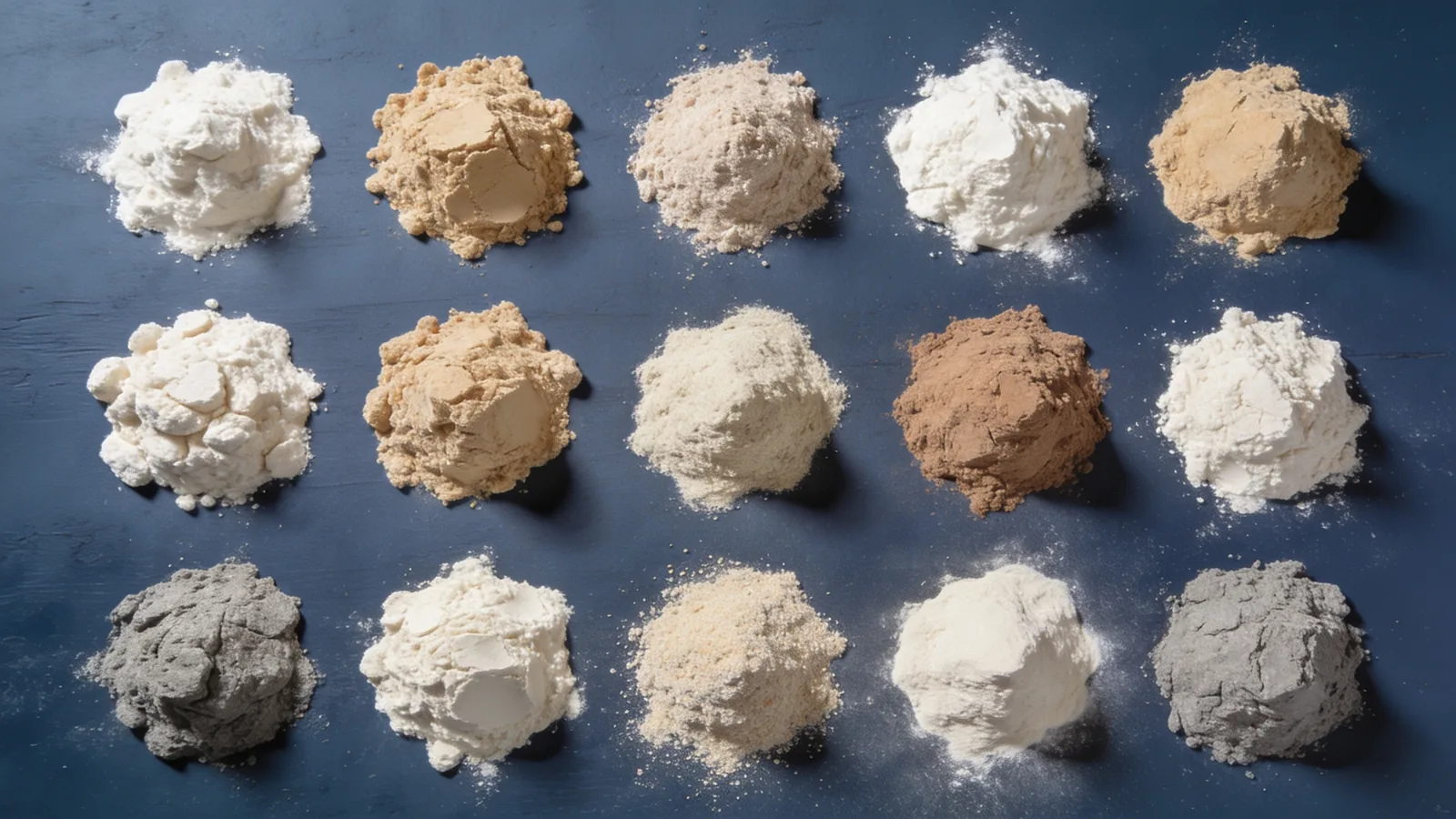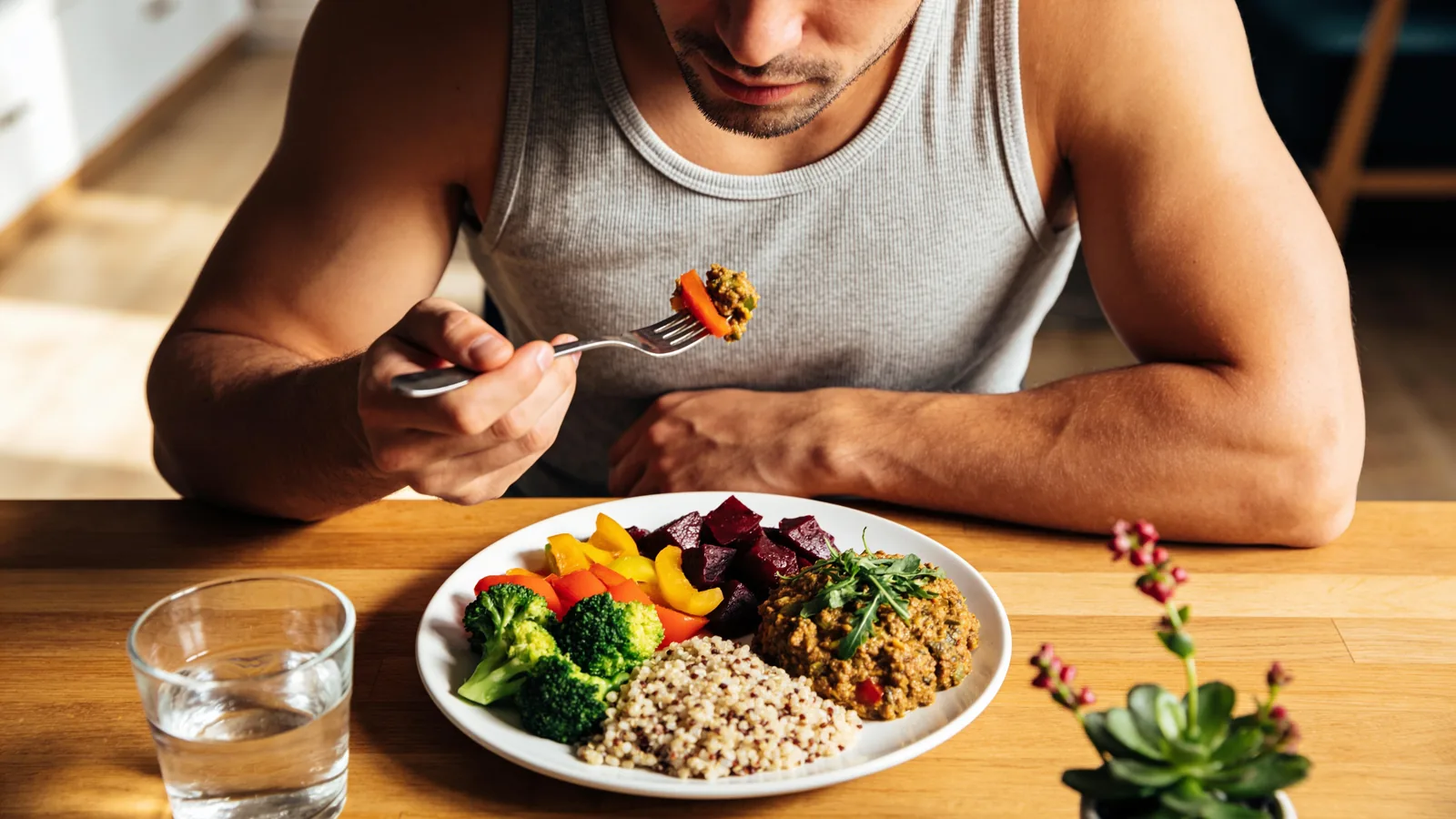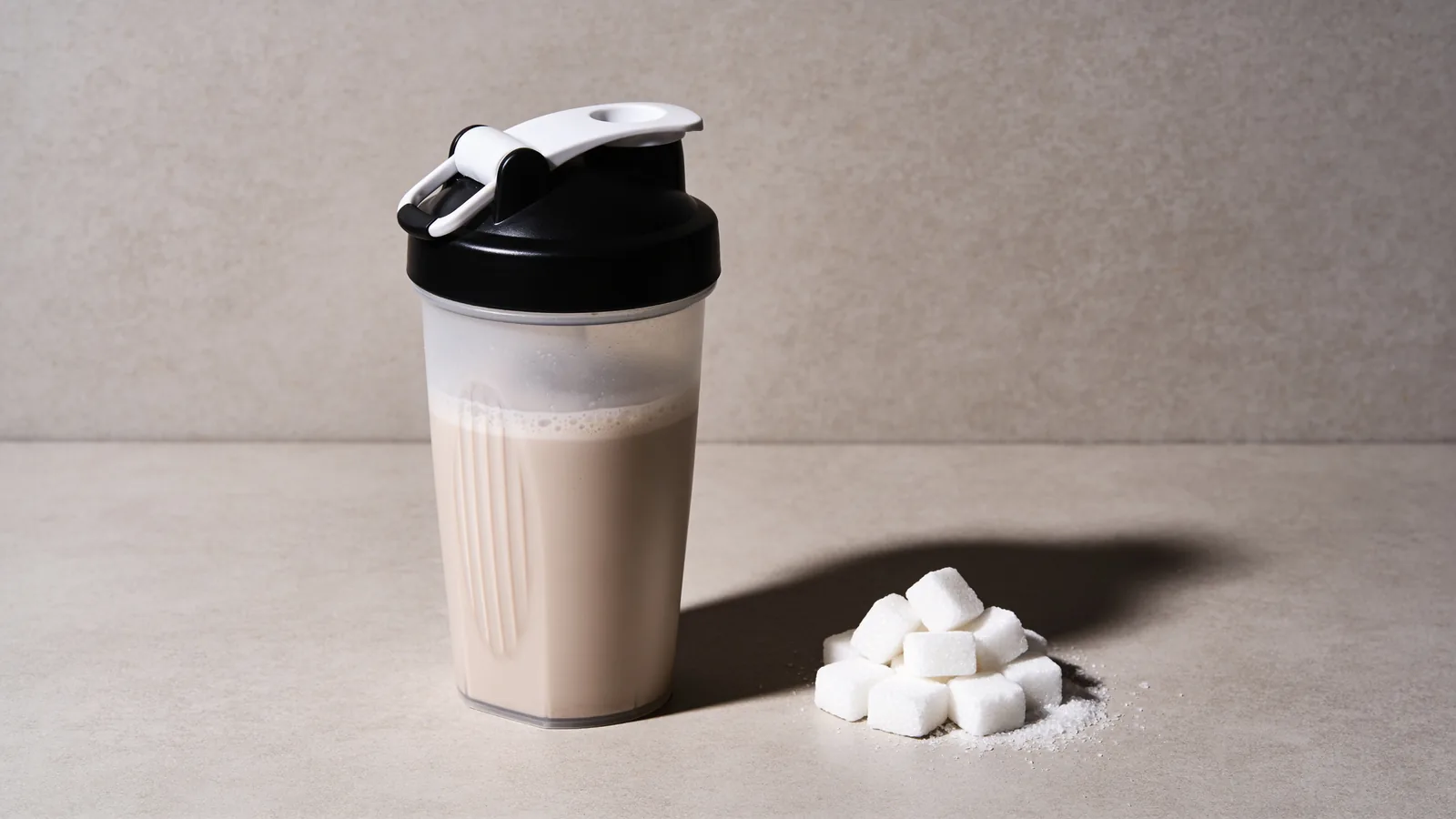
Protein shakes for diabetics to lose weight do one useful thing well: protein increases satiety and the thermic effect of feeding more than carbohydrate or fat, which makes a calorie deficit easier to hold without a large blood-glucose response (Protein, weight management, and satiety, PMID:18469287). The catch is that most powders marketed for “shakes” carry the exact things a person managing blood sugar is trying to avoid — added sugar, maltodextrin, and a long ingredient list. The fix is not a special “diabetic” formula. It is a shorter label.
The best protein shakes for diabetics trying to lose weight contain no added sugar, a high protein-quality score, and the fewest possible ingredients. A single-ingredient isolate — potato, whey, or pea — sidesteps the sweeteners, gums, and fillers that complicate blood-sugar management, while delivering roughly 20–25g of protein per serving to preserve muscle during weight loss. In a head-to-head test, whey raised insulin the most, while potato and rice protein produced a lower insulin response and better glucose maintenance — and potato protein matches whey on muscle support while staying dairy-free and low-FODMAP.
We evaluated proteins the way someone reading their own labels would: ingredient by ingredient, with blood sugar, muscle retention, and contaminant testing weighted above taste.
Top Options by Category
Potato Protein Isolate (single-ingredient)
Single-ingredient, plant-based
For a diabetic shake aimed at weight loss, the math favors the shortest label that still preserves muscle. Potato protein isolate is one ingredient, contains no added sugar, and is one of the few plant proteins with documented muscle-building data: 25g of potato protein isolate twice daily stimulated muscle protein synthesis in young women in a 2020 trial (Oikawa et al., Nutrients, PMID:32349353). Its DIAAS has been classified above 100% — comparable to animal proteins (Herreman et al., Food Science & Nutrition, PMID:33133540). It is also a low-FODMAP protein source (Monash University, 2019), which makes it easier to take every day. In one cell study, a potato protein hydrolysate increased markers of muscle protein synthesis under high-glucose conditions (PMID:34770984) — early, in-vitro, but a reasonable signal for an audience managing blood sugar. In a head-to-head test it also produced a lower insulin response than whey while maintaining glucose well, which we cover below.
Pros:
- One ingredient — no sweeteners, gums, or maltodextrin
- 0g added sugar
- DIAAS above 100%; documented muscle protein synthesis at 25g
- Low-FODMAP, dairy-free, soy-free, gluten-free
Cons:
- Usually sold unflavored — you add the flavor, which some people would rather not do
- Plant proteins as a category warrant attention to sourcing and testing
Whey Protein Isolate (single-ingredient)
Dairy-based, single-ingredient
If your priority is a fast, complete protein with the most muscle research behind it, whey isolate is the honest answer. In a controlled comparison in healthy males, whey raised insulin more than potato or rice protein, while the two plant proteins produced a lower insulinaemic response and better glucose maintenance; appetite ratings did not differ significantly between the three (Nutrients, PMID:34201703). Whey is rapidly digested, high in leucine, and a complete protein. A true isolate is roughly 90–95% protein with less than 1% lactose, so it carries little of the milk sugar that can trouble sensitive stomachs. The trade-off is obvious: it is dairy, so it is off the table for the lactose-intolerant and the allergy-aware.
Pros:
- Complete protein, high leucine, fast digestion
- Isolate form is very low in lactose
- Dairy-based powders averaged lower lead than plant-based in 2025 testing
Cons:
- Higher insulin response than potato or rice protein in head-to-head testing
- Dairy — not suitable for milk allergy or strict dairy avoidance
- Concentrate (not isolate) carries more lactose, a FODMAP
- Many flavored whey products add sweeteners — read the label
Pea Protein Isolate (single-ingredient)
Plant-based, widely available
Single-ingredient pea protein is just yellow pea protein and nothing else — the easiest plant protein to find and a sensible dairy-free choice. It is high in lysine and reasonable in leucine. Its limiting amino acid is the sum of methionine plus cysteine, which averages only 2.6 g/100g protein across pea genotypes — a chemical score around 46% (Foods, 2024), which is why pea is sometimes blended with rice. Pea can also carry FODMAPs; Monash University notes that soy and pea proteins “often contain some FODMAPs,” so it may not sit as easily as potato for IBS-prone users.
Pros:
- Widely available as a single ingredient, dairy-free
- High in lysine; supports muscle when intake is adequate
- 0g added sugar in unflavored isolates
Cons:
- Limiting in methionine + cysteine (chemical score ~46%)
- Can contain FODMAPs; more likely to bloat than potato
- Plant proteins averaged higher cadmium in 2025 testing — check third-party results
Egg White Protein
Whole-food, minimally processed
Not everyone wants a powder. Egg white is a complete protein with a PDCAAS of 1.00 and almost nothing else: four egg whites (about half a cup from a carton) provide 13g of protein with no saturated fat (Cleveland Clinic, 2025). For a diabetic building meals around protein, liquid egg whites blended into a shake or cooked alongside vegetables are a low-cost, low-glycemic base. The downside is allergenicity — egg is a top allergen — and a thinner texture than a dedicated isolate.
Pros:
- PDCAAS of 1.00 — complete, highly digestible
- Almost no carbohydrate or saturated fat
- Whole-food option, minimally processed
Cons:
- Egg is a major allergen
- Lower protein per serving than a concentrated isolate
- Less convenient than scoop-and-shake powder
How the picks compare
The table below lines up the four picks on the criteria that matter most for blood sugar and weight loss. Reliable single PDCAAS figures for some sources are not standardized across products, so we report what the verified data supports and use an em-dash where a firm value is not established.
| Protein | Added sugar | Quality score | Allergen profile | FODMAP / digestibility |
|---|---|---|---|---|
| Potato protein isolate | 0g | DIAAS above 100% | Dairy-free, soy-free, gluten-free, egg-free | Low-FODMAP (Monash, 2019) |
| Whey protein isolate | 0g (unflavored) | Complete; high leucine | Dairy | Isolate very low in lactose; concentrate higher |
| Pea protein isolate | 0g (unflavored) | Limiting in Met+Cys (~46% chemical score) | Dairy-free, gluten-free | Can contain FODMAPs |
| Egg white protein | 0g | PDCAAS 1.00 | Egg | — |
What to Look For on Your Own
The marketing word “diabetic-friendly” is not regulated, so ignore it and read the panel. Three things decide whether a shake helps or hinders weight loss with diabetes.
Added sugar and hidden carbohydrate
Many “shake” products are built on maltodextrin, dextrose, or cane sugar to improve mouthfeel — all of which raise blood glucose. A single-ingredient isolate has none of that by definition. If you choose a flavored product, the added-sugar line should read 0g, and you should not see maltodextrin or dextrose anywhere in the ingredients. If you want to understand why a one-line label is the simplest way to control what you are drinking, our explainer on what potato protein actually is walks through how a true isolate is made.
Enough protein to hold muscle
Weight loss costs muscle unless protein intake is adequate, and muscle loss slows metabolism — the opposite of the goal. Aim for roughly 20–25g of high-quality protein per shake. Quality matters because plant proteins generally produce a lower, slower rise in blood amino acids than whey; potato protein is a notable exception, with documented muscle protein synthesis at 25g doses. For a deeper look at protein and fat loss, see our guide to protein for weight loss.
Heavy-metal testing
This is the unglamorous one. The Clean Label Project’s 2025 Protein Study 2.0 tested 160 products and found 47% exceeded at least one federal or state safety standard, with plant-based powders averaging five times more cadmium than whey-based ones. Consumer Reports’ October 2025 testing of 23 products found plant-based powders averaged nine times more lead than dairy-based. None of this means avoid plant protein — it means demand a current Certificate of Analysis from whoever you buy from.
If you have kidney disease
Protein restriction only applies if you already have chronic kidney disease. In healthy adults, a 2018 review of 28 trials found higher-protein diets did not change kidney filtration rate (PMID:30383278). But the 2020 KDOQI guideline recommends 0.6–0.8 g/kg ideal body weight per day for adults with CKD stages 3–5 and diabetes, to support glycemic control. If you have kidney involvement, set your protein target with your clinician before adding shakes. If you are also on a GLP-1 medication, our piece on how much protein on a GLP-1 covers muscle preservation during rapid weight loss.