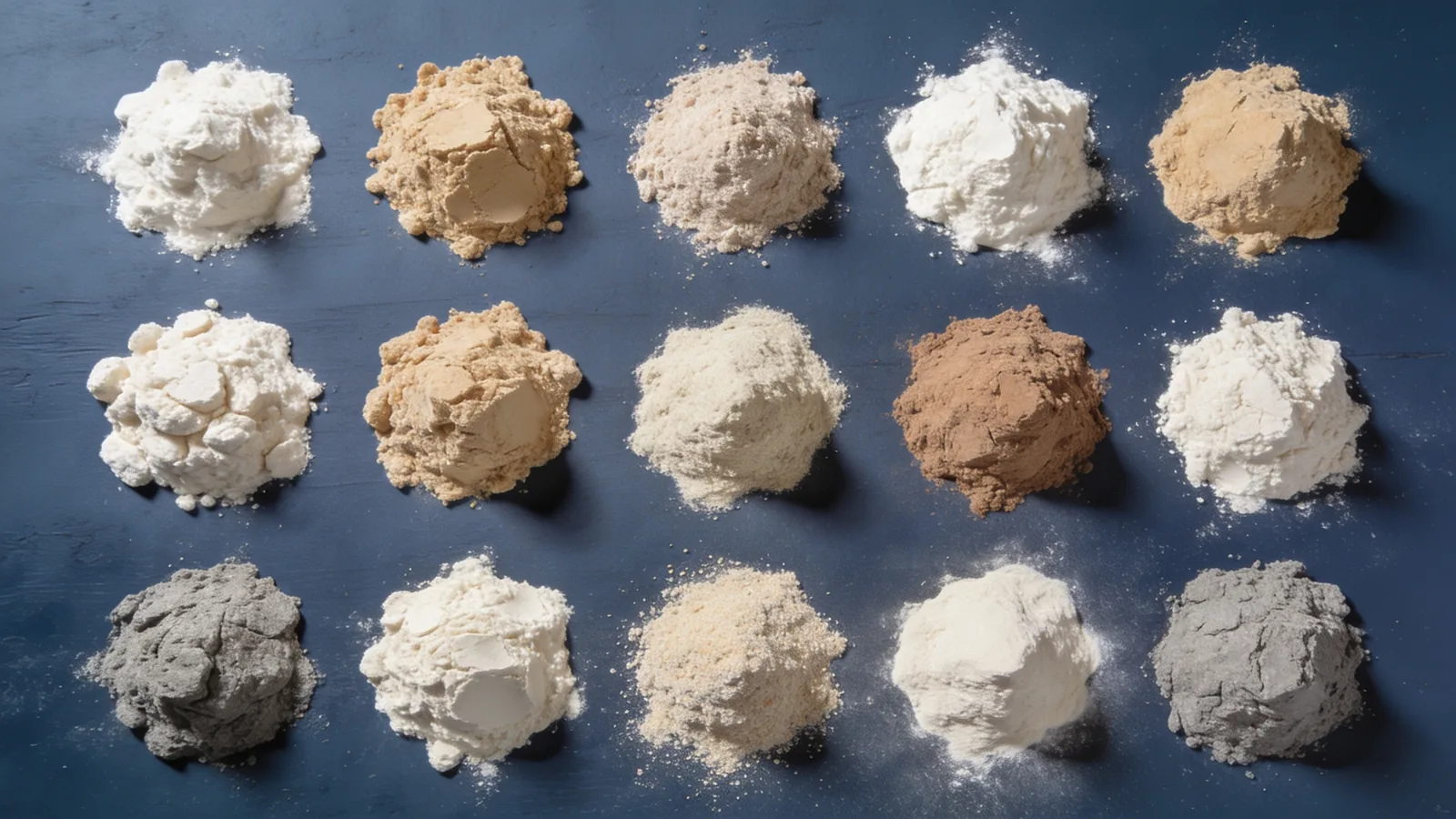
The phrase “protein powder kidney damage” describes a fear that, for people with healthy kidneys, the evidence does not support. In healthy adults, higher protein intake raises glomerular filtration rate without measurable harm — a 2018 meta-analysis of 28 trials and 1,358 participants found no difference in kidney function between higher- and lower-protein diets (Devries et al., The Journal of Nutrition, 2018, PMID 30383278). For people who already have chronic kidney disease (CKD), the picture changes: total protein intake matters, the source matters, and some protein powders fit that situation far better than others.
In people with healthy kidneys, protein powder does not cause kidney damage; higher protein raises filtration rate without harming renal function (Devries et al., 2018). In chronic kidney disease, the 2020 KDOQI guideline recommends 0.55–0.60 g/kg ideal body weight per day for metabolically stable adults at stages 3–5 not on dialysis and without diabetes (Ikizler et al., American Journal of Kidney Diseases, 2020). Plant-based, single-ingredient powders make controlling that intake easier. Coordinate any change with your nephrologist or renal dietitian.
This guide reads protein powders the way a person managing kidney health reads a label — counting ingredients, asking where the protein comes from, and looking for independent contaminant testing. It is informational, not medical advice. Your protein target in CKD is set by your care team, not by a website.
Top Categories to Consider
Potato Protein Isolate
Single-ingredient plant source for controlled intake
A potato protein isolate is typically one ingredient: potato protein. For someone managing CKD, that single line on the label removes the additives, blends, and sweeteners that complicate every other decision. It is a plant protein, so it shifts the plant-to-animal ratio in the direction the cardiovascular research favors. Its quality is unusually high for a plant source — the Digestible Indispensable Amino Acid Score (DIAAS) for potato protein isolate has been reported as high as 100% (Herreman et al., Food Science & Nutrition, 2020, PMID 33133540), meaning you reach your amino acid needs at fewer total grams. Potato protein is also classified low-FODMAP (Monash University FODMAP, 2019), and a controlled trial showed 25 g stimulated muscle protein synthesis in young women (Oikawa et al., Nutrients, 2020, PMID 32349353). Because unflavored, unsweetened versions disappear into food, you decide the portion — useful when your gram target is set by a dietitian.
Pros:
- Single ingredient when unflavored; no additives or sweeteners
- Plant-based; no dairy, egg, soy, or gluten
- DIAAS reported as high as 100%
- Low-FODMAP and generally well tolerated
Cons:
- Lower leucine per gram than whey
- Neutral, not flavorless — it tastes like food, not like dessert
- Not the best fit if your team has cleared you for animal protein and you want maximum leucine
Single-Ingredient Pea Protein
Plant-based and widely available
A single-ingredient pea protein is just pea protein — nothing else. It keeps the additive count near zero and stays plant-based. Two honest caveats for kidney-focused buyers: pea protein “can be particularly challenging to purify, and often contains some FODMAPs (eg. GOS and fructan),” per Monash University, so it is not as gentle as potato for sensitive guts. And pea’s limiting amino acids are methionine plus cysteine, which average only about 2.6 g/100 g protein in pea (Molecules, 2024, PMID 39519674) — a real but minor quality gap. We cover the trade-offs in detail in our guide to whether pea protein is highly bioavailable.
Pros:
- Single ingredient, no sweeteners
- Plant-based and widely stocked
- No dairy, egg, soy, or gluten
Cons:
- Pea protein can carry FODMAPs (GOS, fructans)
- Methionine + cysteine are limiting
- Plant powders trend higher in cadmium — verify testing
Organic Plant-Based Blends
Multi-ingredient, allergen-friendly formulas
Organic multi-ingredient blends are often built for allergen avoidance, combining several plant sources (commonly pea, rice, and seed proteins) and usually landing somewhere around 15–25 g of protein per serving. For households juggling multiple allergies, a single multi-source formula can be convenient. One important nuance for kidney patients: in the Clean Label Project’s 2025 Protein Study 2.0, certified organic protein powders averaged three times the lead of non-organic products. “Organic” describes how the plants were grown, not what the heavy-metal testing showed — so for this category especially, read the contaminant data before you commit.
Pros:
- Allergen-friendly multi-source formulas
- Often free of dairy, egg, soy, and gluten
- Convenient single product when avoiding several allergens
Cons:
- A blend, not a single ingredient — more additives to track
- Organic powders averaged 3× the lead in 2025 testing
- Fixed serving sizes can be harder to portion down
Whey Protein Isolate
Animal-based option if your team clears it
Whey isolate is included for completeness, not as a CKD-first choice. Whey protein isolate is typically 90–95% protein with under 1% lactose, and dairy-based powders averaged about nine times less lead than plant-based ones in Consumer Reports’ 2025 testing — a genuine advantage on contaminants. Whey also has high leucine and fast aminoacidemia, stimulating muscle protein synthesis more than slower proteins (van Loon group; Nutrients, 2020). The reason it is not first-line for kidney disease: it is animal protein, and the cardiovascular data favor a higher plant-to-animal ratio (Glenn et al., 2024). For most CKD plans, plant sources align better with the broader goals.
Pros:
- High leucine and fast absorption
- Dairy powders averaged lower lead than plant powders
- Isolate carries minimal lactose
Cons:
- Animal protein; lowers the plant-to-animal ratio
- Not first-line for a kidney-protective dietary pattern
- Contains dairy — off-limits for milk allergy
Comparing the Categories at a Glance
The differences that matter for kidney health are source, ingredient count, quality, and digestibility. Reliable, published PDCAAS figures are not established for every category below, so the table states quality only where the evidence supports it.
| Category | Source | Ingredients | Protein quality | FODMAP profile | Major allergens |
|---|---|---|---|---|---|
| Potato protein isolate | Plant | 1 (unflavored) | DIAAS up to 100 | Low-FODMAP | None of the top allergens |
| Single-ingredient pea protein | Plant | 1 | Methionine + cysteine limiting | May contain GOS/fructans | None of the top allergens |
| Organic plant-based blend | Plant blend | Multiple | — | — | None of the top allergens |
| Whey protein isolate | Animal (dairy) | 1 (isolate) | High leucine, fast aminoacidemia | Low lactose (isolate) | Milk |
What to Look For on Your Own
The first thing to understand is the difference between healthy kidneys and CKD, because the “protein powder kidney damage” worry is two separate questions wearing one coat.
If your kidneys are healthy, protein restriction is not a goal. A 2018 systematic review of 26 studies concluded that higher protein intake within the dietary reference range is consistent with normal kidney function; where GFR rose, all values stayed in the normal range (Advances in Nutrition, 2018, PMID 30032227). A one-year crossover study in resistance-trained men eating 2.51–3.32 g/kg/day found no harm to kidney function (Journal of Nutrition and Metabolism, 2016, PMID 27807480). The International Society of Sports Nutrition put it bluntly, noting it is “often erroneously reported” that chronically high protein strains the kidneys. The rise in filtration rate after a protein meal is adaptive hyperfiltration, not injury. If you want the fuller version of this debate, we wrote about why some doctors say no to protein powder.
If you already have CKD, the math reverses. A 2020 Cochrane review of 17 trials and 2,996 adults found very-low-protein diets reduced progression to end-stage renal disease, with a relative risk of 0.65 (Hahn et al., Cochrane Database of Systematic Reviews, 2020, PMID 33118160). This is why the landmark NIDDK-funded Modification of Diet in Renal Disease (MDRD) Study tested protein restriction directly. The current target, for metabolically stable adults at stages 3–5 not on dialysis and without diabetes, is 0.55–0.60 g/kg ideal body weight per day (Ikizler et al., American Journal of Kidney Diseases, 2020).
Here is where a protein powder can actually help a restricted diet rather than fight it: when grams are limited, every gram should be high quality so you are not wasting your allowance on incomplete protein. A protein with a zero amino acid score yields a net protein utilization around 25% — you would have to eat four times the amount to meet needs (FAO/WHO, Hegsted). A high-DIAAS source like potato protein does the opposite. To understand why these quality scores drive the decision, see PDCAAS explained and our overview of what potato protein actually is.
Heavy metals deserve their own paragraph for kidney patients. The kidney is the organ that filters and concentrates these contaminants, so a powder’s metals profile is not a side issue. The 2025 Clean Label Project Protein Study 2.0 tested 160 products across 70 brands and found 47% exceeded at least one federal or state safety standard, with plant-based powders containing five times more cadmium than whey-based ones; Consumer Reports’ 2025 round found plant-based products averaged nine times more lead than dairy-based ones. That is the uncomfortable trade-off of going plant-based, and the only honest answer to it is independent verification. Whatever you choose, demand the same.
Finally, watch the additives. Many CKD plans also restrict phosphorus, potassium, and sodium, and the additives in flavored blends are where hidden phosphorus often lives. A single-ingredient powder removes that guesswork. For broader help on tolerability, our roundup of common protein powder problems covers the digestive side.