A Prop 65 warning on a protein powder means the product can expose you to a chemical California lists as a carcinogen or reproductive toxin — and in nearly every case, that chemical is a heavy metal: lead, cadmium, or arsenic. So why do some protein powders carry a Prop 65 warning while others do not? The difference comes down to the protein source, the soil that source grew in, the flavoring, and whether the brand actually tests. In the Clean Label Project’s 2025 Protein Study 2.0, 47% of 160 tested products exceeded at least one federal or state safety standard, including California Proposition 65.
Protein powders carry a Prop 65 warning when they contain lead, cadmium, or arsenic above California’s threshold for cancer or reproductive harm. These metals come from soil and accumulate in plants, so plant-based and organic powders are more likely to exceed the limit — in the Clean Label Project’s 2025 Protein Study 2.0, 47% of products exceeded at least one Prop 65 level, and 65% of chocolate-flavored powders did. The warning is a legal disclosure, not a recall, but it is a signal to check the brand’s third-party testing.
This guide evaluates protein powders by their likelihood of carrying — or deserving — a Prop 65 warning, and shows you how to read the testing data yourself instead of trusting the label.
Categories Compared
No protein powder is contamination-proof. The data show that dairy-based isolates start with a heavy-metal advantage, so they appear here too. What separates a lower-risk category is not the absence of risk but the presence of testing.
Potato Protein Isolate
Single-ingredient, unflavored, allergen-free
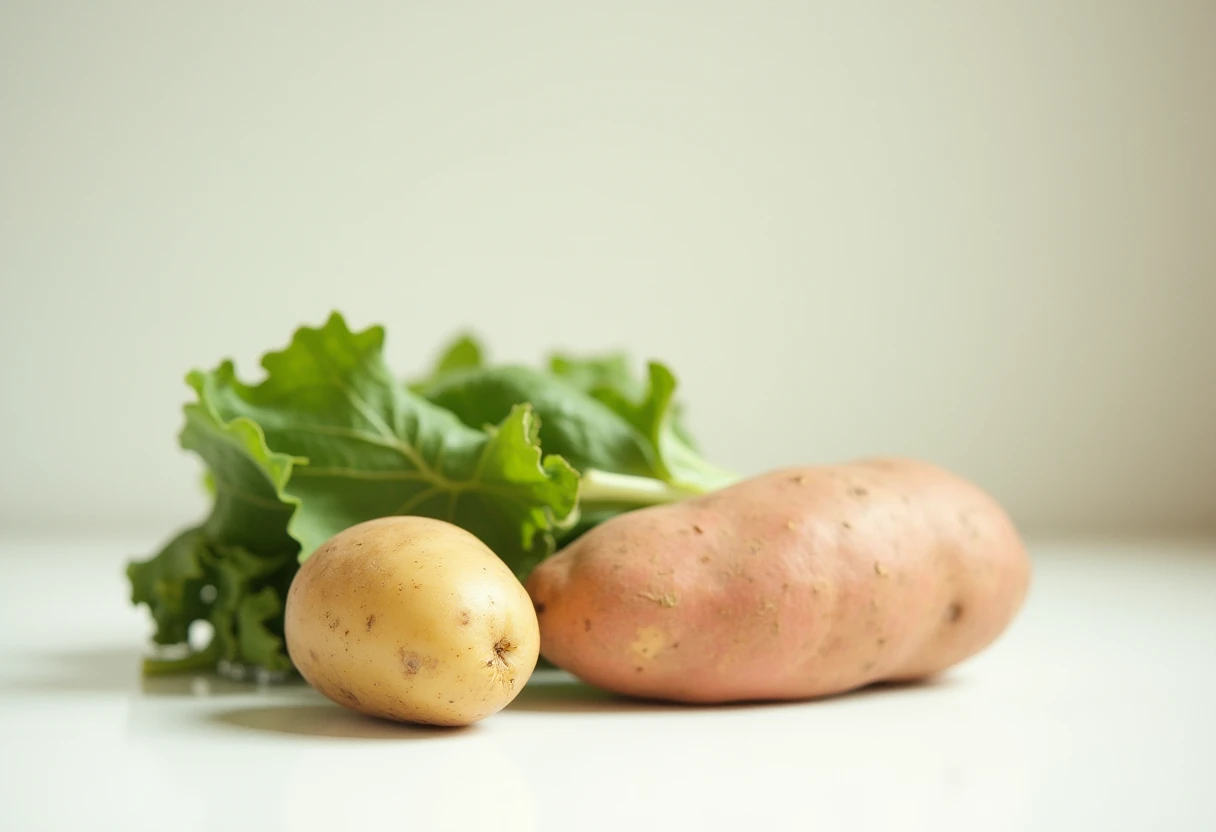
A potato protein isolate is typically a single ingredient: potato protein. There is nothing added that could introduce lead or cadmium beyond the protein itself. Potato protein is also a high-quality plant source — the 2020 McMaster study found 25g of potato protein isolate stimulated muscle protein synthesis in young women (Nutrients, PMID:32349353), and reported DIAAS values run as high as 100% (Food Science & Nutrition, Herreman et al., PMID:33133540). The unflavored form has no cocoa to concentrate cadmium, and potato protein is low-FODMAP and allergen-free (Monash FODMAP, 2019).
Pros:
- Single-ingredient versions exist — no flavorings, gums, or fillers to carry contamination
- When sold with published batch testing, the heavy-metal data is verifiable rather than assumed
- Free of dairy, egg, soy, nuts, and gluten
- Unflavored, so no cocoa cadmium load
Cons:
- As a plant protein, it starts at a higher cadmium baseline than whey — which is exactly why per-batch testing matters
- Lower leucine than whey isolate, so portion accordingly
Whey Protein Isolate
Lowest heavy-metal baseline (dairy-based)
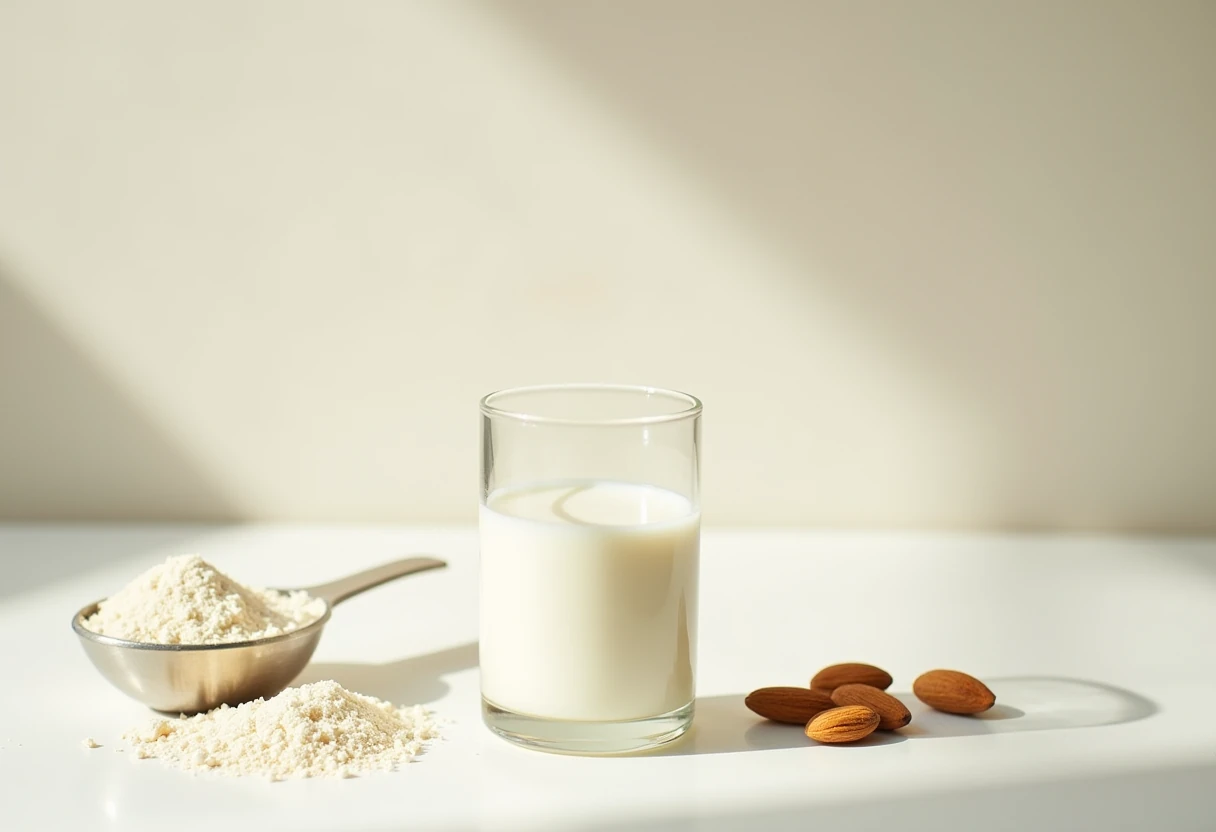
If dairy is not a problem for you, whey isolate is the category least likely to earn a Prop 65 warning. The Clean Label Project found plant-based powders contained five times more cadmium than whey-based varieties, and Consumer Reports found plant-based products averaged nine times more lead than dairy-based powders (Consumer Reports, 2025). Whey protein isolate is also typically 90–95% protein with under 1% lactose and is the reference protein for muscle protein synthesis (American Journal of Clinical Nutrition, PMID:21367943). Choose one with a published Certificate of Analysis — the category advantage is an average, not a guarantee.
Pros:
- Lowest average cadmium and lead of any common category
- High leucine, fast digestion
- Isolate form keeps lactose under 1%
Cons:
- Dairy allergen — off-limits for the allergy-aware
- Lower average does not excuse skipping a COA
Pea Protein
Single-ingredient plant option
A single-ingredient pea protein is just yellow pea protein — nothing else — which is the right structural idea: fewer inputs, fewer contamination vectors. It shares the same trade-off as any plant protein — peas accumulate cadmium from soil — so the testing data is what decides whether a given batch deserves a warning. Verify the current Certificate of Analysis before buying.
Pros:
- Single-ingredient formulations available
- Unflavored options avoid cocoa cadmium
- Often sold with published heavy-metal testing
Cons:
- Pea base carries the plant cadmium baseline
- Pea is also limiting in methionine plus cysteine (chemical score ~46%)
Organic Plant-Based Blend
Multi-ingredient, allergen-free — with a caveat
An organic plant-based blend combines several plant proteins, and for a multi-ingredient allergen-free option that is a reasonable starting point. The caveat is direct: the Clean Label Project found certified organic protein powders averaged three times the lead of non-organic products, because “organic” governs how the crop was grown, not how much metal the soil held. If you choose one, pick vanilla or unflavored over chocolate and read the testing.
Pros:
- Free of dairy, egg, soy, and gluten
- Multi-ingredient blends balance the amino-acid profile across sources
Cons:
- Organic status correlated with higher average lead in 2025 testing
- Multi-ingredient blend — more inputs than a single isolate
- Skip the chocolate version for the cadmium reason
What to Look For on Your Own
Prop 65 is a California disclosure law, not a federal safety standard. It requires a warning when a product can expose a person to a listed chemical above a set threshold, and for protein powder that chemical is almost always a heavy metal. A warning does not mean the product is recalled or acutely dangerous; it means the manufacturer either measured a level above the threshold or did not test enough to rule it out and warns to avoid liability. The useful question is not “does it have the label” but “what do the numbers say.”
The numbers were measured carefully. The Clean Label Project’s Protein Study 2.0 tested 160 products from 70 brands across 35,862 data points, with heavy-metal analysis (arsenic, cadmium, lead, mercury) run by the independent laboratory Ellipse Analytics using Inductively Coupled Plasma–Mass Spectrometry (ICP-MS). It found that 21% of samples exceeded twice the Prop 65 levels. Three patterns explain almost all of the variation: source, organic status, and flavor.
Why plant proteins carry more
Plants take up cadmium and lead from soil through their roots and concentrate them in the parts harvested for protein. That is why the Clean Label Project measured five times more cadmium in plant-based powders than whey, and why Consumer Reports measured nine times more lead in plant-based products than dairy-based ones. This is a baseline tendency, not a verdict — a tested, single-ingredient plant isolate can come in well under a poorly sourced whey. But it does mean a plant powder without published testing deserves more suspicion, not less.
Why “organic” does not mean lower metals
Organic certification controls pesticides and synthetic inputs during growing. It says nothing about the lead or cadmium already in the soil, which is why organic powders averaged three times the lead of non-organic in the 2025 testing. Organic is a meaningful label for other reasons; heavy-metal protection is not one of them.
Why chocolate is the worst offender
Cocoa concentrates cadmium. Chocolate-flavored powders contained 110 times more cadmium than vanilla varieties, and 65% of chocolate protein powders exceeded Prop 65 levels. The single easiest way to lower your exposure is to buy an unflavored or vanilla powder and add your own cocoa only if you want it.
The comparison, by category
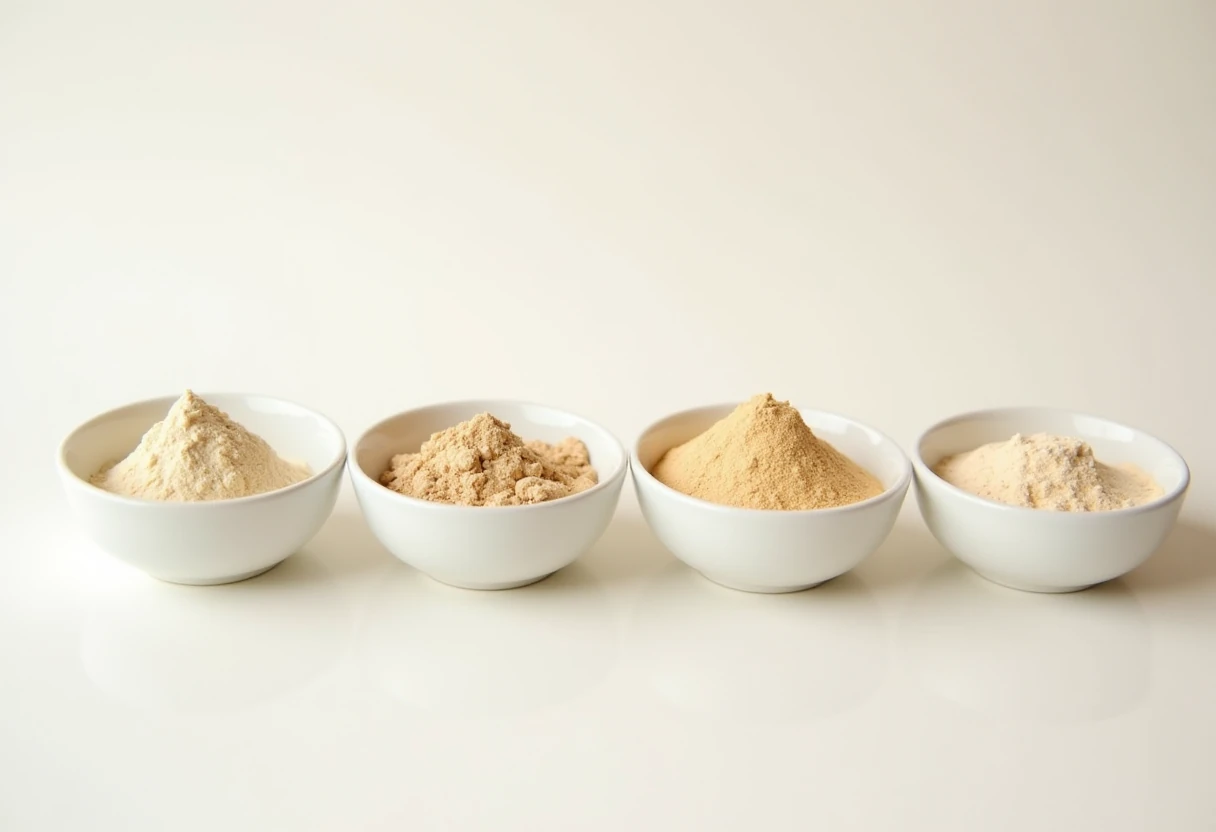
The table below ranks the broad categories by their measured tendency, using the verified findings. Treat it as a starting filter, then confirm with the specific product’s Certificate of Analysis.
| Category | Relative heavy-metal tendency | Allergen profile | Note |
|---|---|---|---|
| Whey isolate (dairy) | Lowest average cadmium and lead | Dairy | Category advantage is an average; still verify the COA |
| Single-ingredient potato isolate | Plant baseline; controlled by per-batch testing | Allergen-free | One ingredient, no cocoa, published testing |
| Plant blends (pea, rice, etc.) | ~5× cadmium vs whey; ~9× lead vs dairy | Varies | More inputs, more sources to verify |
| Certified organic powders | ~3× lead vs non-organic | Varies | Organic does not address soil metals |
| Chocolate-flavored (any base) | ~110× cadmium vs vanilla | Varies | 65% exceeded Prop 65 — choose vanilla/unflavored |
For a deeper read on contamination testing specifically, see what protein powders have no heavy metals and how to verify them, and our broader allergen-free protein guide if the metals question is part of a larger label-reading problem. If you are choosing between sources more generally, what is potato protein covers where this particular isolate fits.
One more piece of context worth holding: not every study finds protein powders over the limit. A 2025 analysis of 22 commercially available powders tested by laser-induced breakdown spectroscopy and ICP-MS for 16 elements detected no heavy metal above regulatory limits in any sample (Journal of Nutritional Science, 2025, PMID:40703701) — and the authors still recommended routine, mandatory heavy-metal quality-control testing. The takeaway is consistency: results vary by product and batch, which is why a published COA beats any category generalization.