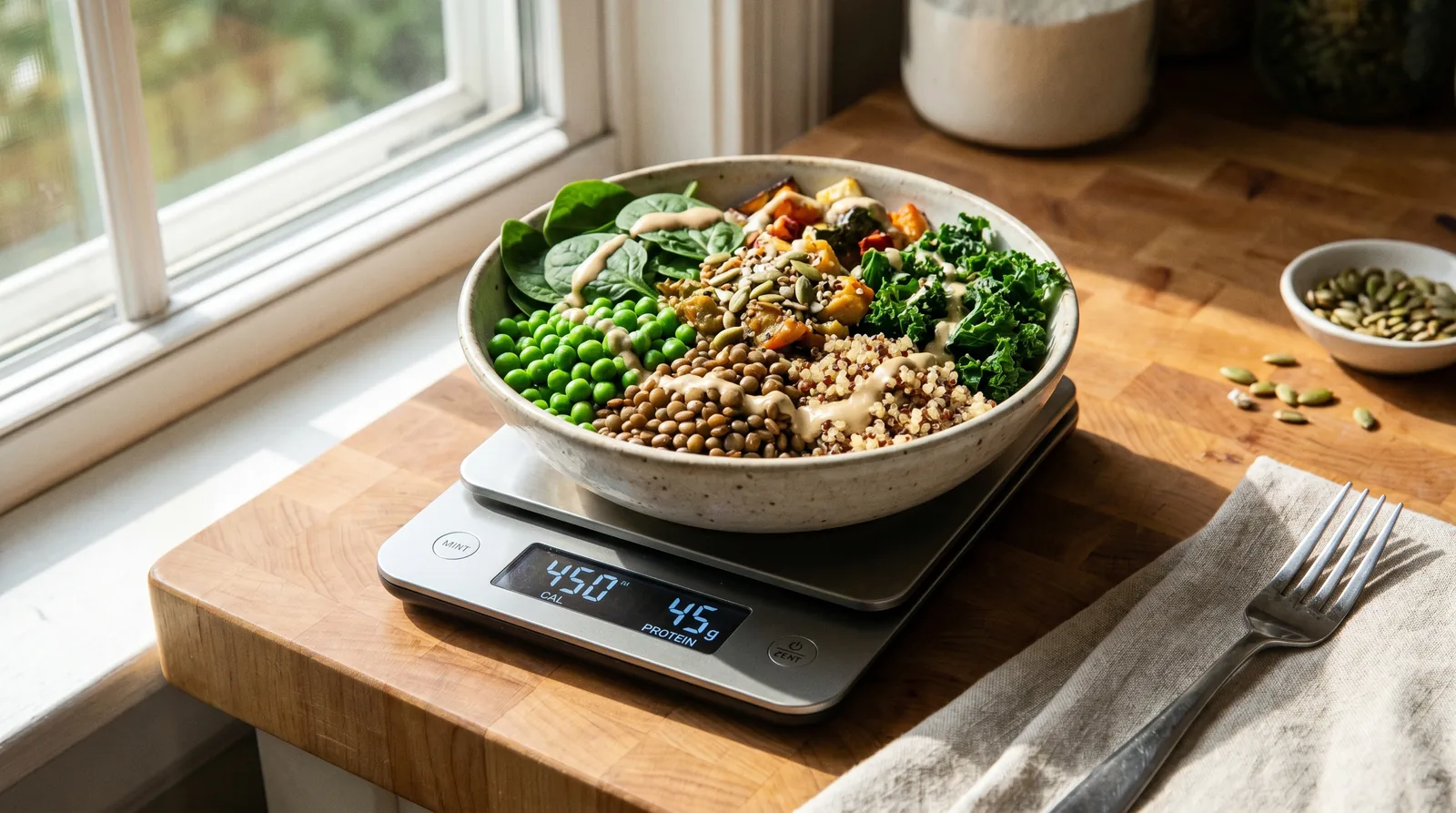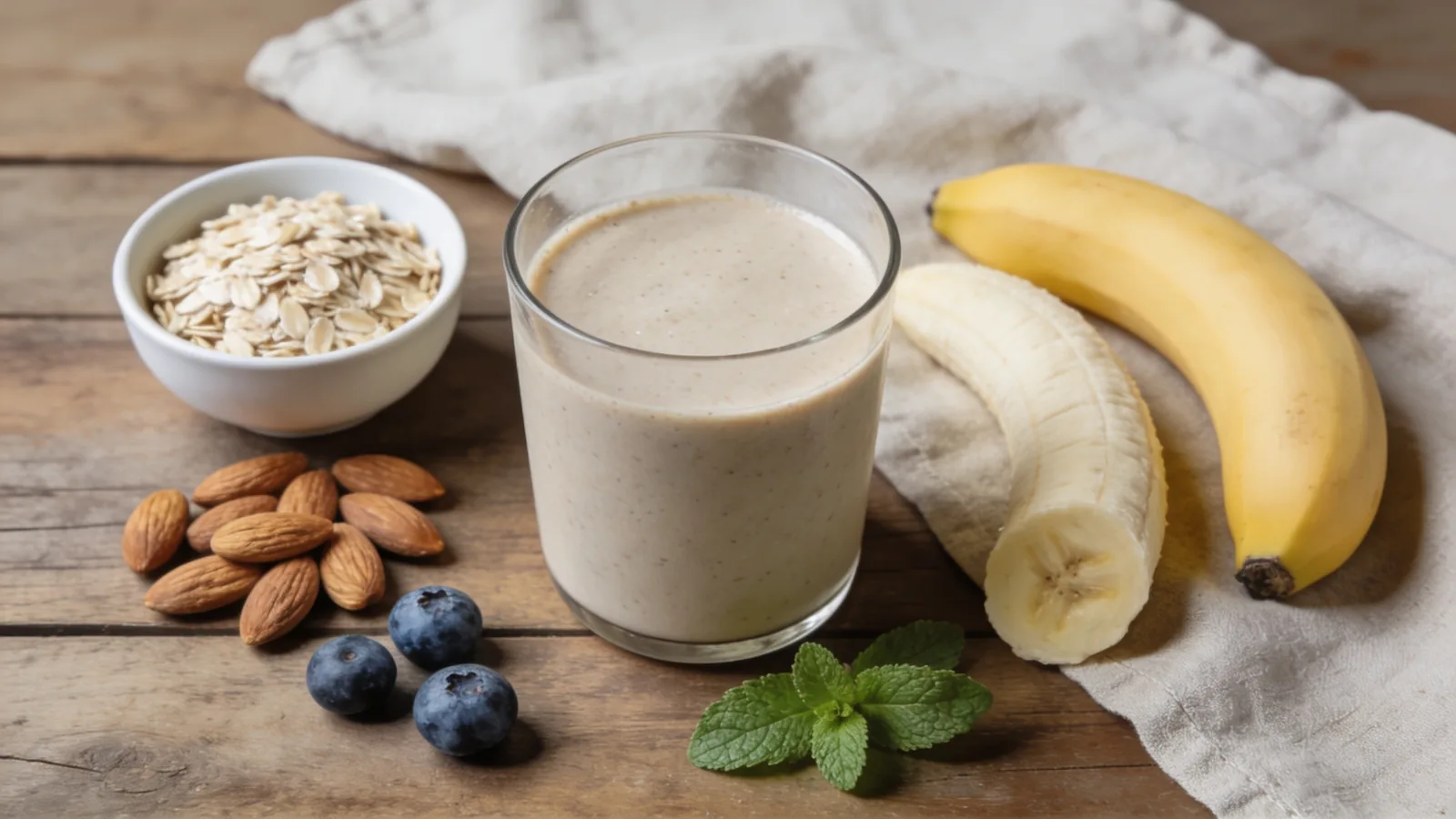
The 30-30-30 rule for weight loss is a morning routine: eat 30 grams of protein within 30 minutes of waking, then do 30 minutes of low-intensity, steady-state exercise. It was popularized by author Tim Ferriss and later by Gary Brecka, but the underlying levers — protein at breakfast and morning movement — are older than the catchphrase. The rule does not contain a secret. It packages two well-studied habits into something easy to remember.
The 30-30-30 rule works to the extent that its two components work: a 30g protein breakfast increases satiety and diet-induced thermogenesis more than a standard-protein meal, which can lower total daily calorie intake, and 30 minutes of low-intensity exercise adds modest energy expenditure. The rule itself has not been tested as a named protocol in a controlled trial. Its benefit comes from the protein and the movement, not from the specific 30-30-30 sequence.
What Is the 30-30-30 Rule?
The 30-30-30 rule is a three-part morning sequence: consume 30 grams of protein within the first 30 minutes after waking, then complete 30 minutes of low-intensity, steady-state cardio. The protocol prescribes the same three numbers each day, which is the entire reason it spread — it removes decisions before you are fully awake.
None of the three numbers is a clinically validated threshold. They are round, memorable targets. The value is behavioral: a fixed routine you actually repeat beats a perfect plan you abandon by Thursday. Below, we separate what the research supports from what is simply convenient packaging.
Does the 30-30-30 Rule Work for Weight Loss?
There is no published trial of the 30-30-30 rule as a named protocol, so its effectiveness is inferred from its parts. A higher-protein breakfast increases satiety and thermogenesis more than a standard-protein meal, and protein reduces subsequent energy intake more than carbohydrate or fat (Journal of the American College of Nutrition, 2004, PMID:15466943; PMID:18469287). Morning movement adds expenditure. Together they create a plausible calorie deficit — but the deficit, not the clock, is what drives loss.
In other words, eating 30g of protein at 7:00 a.m. and walking for half an hour is a reasonable habit. Whether you do it at minute 28 or minute 90 after waking is not the mechanism. If you are building a broader plan, our guide to protein for weight loss covers how protein intake fits into a deficit across the whole day, not just at breakfast.
Why 30 Grams of Protein at Breakfast
A 30g protein breakfast is useful because protein is the most satiating macronutrient and carries the highest thermic effect. High-protein meals increase satiety and diet-induced thermogenesis more than standard-protein meals, and protein lowers later energy intake through hormonal and metabolic signals (Journal of the American College of Nutrition, 2004, PMID:15466943; PMID:18469287).
Two practical effects follow. First, a protein-forward first meal tends to blunt mid-morning grazing, which is where a lot of unplanned calories enter the day. Second, distributing protein across meals — rather than backloading it all at dinner — supports muscle protein synthesis. To maximally stimulate synthesis, research proposes a single dose above roughly 0.40 g/kg of body weight, with a minimum daily intake above 1.6 g/kg (Naclerio & Seijo, 2019). For many adults, 30g lands near that per-meal dose.
Muscle matters more than the scale here. Adults over 40 lose muscle with age, and to counter that decline research suggests 1.0–1.2 g of protein per kilogram of body weight daily — above the 0.8 g/kg RDA (Clinical Nutrition, 2014, PMID:24814383). A front-loaded protein habit makes that daily total far easier to reach. If you are in this group, our protein after 40 guide goes deeper on dosing.
How to Hit 30g of Protein Within 30 Minutes
Thirty grams of protein before you have fully woken up is harder than it sounds, especially without relying on a slow-cooked breakfast. The table below shows common options and the protein each delivers, so you can stack them to 30g.
| Food | Protein | Calories | Note |
|---|---|---|---|
| Egg whites (4, ½ cup from carton) | 13g | — | Almost all protein, no saturated fat |
| Cottage cheese, 1% (113g) | 14g | 81 | Dairy; contains lactose |
| Chicken breast | — | — | Cited by dietitians as a top high-protein, low-calorie food |
| Potato protein isolate | — | — | Single ingredient; DIAAS reported as high as 100% |
A scoop of protein stirred into water or oatmeal is the fastest route to 30g inside a 30-minute window, which is why powders pair naturally with this rule. Potato protein isolate is one option: its Digestible Indispensable Amino Acid Score has been reported as high as 100% (Food Science & Nutrition, Herreman et al., 2020, PMID:33133540), and a single-ingredient powder gives the allergy-aware reader nothing to react to — no dairy, egg, soy, or nuts. It disappears into your food. For more on the ingredient itself, see what potato protein is.
Reliable amino-acid scores like DIAAS are why protein source matters even at breakfast. If you want to compare options by quality rather than by marketing, our notes on protein-quality scores are a good starting point.
The 30 Minutes of Low-Intensity Exercise
The final 30 is half an hour of low-intensity, steady-state cardio — a brisk walk, an easy cycle, anything you can sustain while holding a conversation. The intent is to spend the session in a low heart-rate zone rather than to chase exhaustion. Prolonged steady cardio draws on amino acids for energy alongside fat, which is one argument for eating the protein first.
Be honest about the math: 30 minutes of low-intensity movement burns a modest number of calories. The lasting benefit is consistency and the habit loop — protein, then movement, every morning — not a large single-session deficit. Low intensity is also easy to repeat daily without the recovery cost of hard training, which is the point.
Who Should Be Careful
For most healthy adults, a 30g protein breakfast and a daily walk carry little risk. High protein intakes do not adversely affect kidney function on GFR in healthy adults: a 2018 meta-analysis of 28 trials and 1,358 participants found no difference in GFR change between higher- and lower-protein diets (Devries et al., The Journal of Nutrition, 2018, PMID:30383278).
The exception is established kidney disease. The 2020 KDOQI guideline recommends restricting protein to 0.55–0.60 g/kg ideal body weight per day for metabolically stable adults with CKD stages 3–5 not on dialysis and without diabetes (Ikizler et al., American Journal of Kidney Diseases, 2020). If you have a diagnosed kidney condition, a front-loaded high-protein routine is a conversation for your clinician, not a podcast.