Protein powder without sucralose is harder to find than it should be, because sucralose is cheap, calorie-free, heat-stable, and dissolves cleanly into a shake — which is exactly why it shows up in so many tubs. Sucralose is a chlorinated sugar compound, sold under the name Splenda and listed chemically as trichlorogalactosucrose. If you are avoiding it, the work is mostly label-reading, because it hides under several names and travels with related sweeteners like acesulfame potassium and aspartame.
Protein powder without sucralose means a product whose ingredient list contains no sucralose (also labeled Splenda or trichlorogalactosucrose) and, usually, no acesulfame potassium or aspartame either. The most reliable options are single-ingredient unflavored isolates, which list one item and nothing else. If you want flavor without artificial sweeteners, look for products sweetened with monk fruit, coconut sugar, or dates — or add banana, cacao, or cinnamon to an unsweetened powder yourself.
We evaluated protein powders the way a label-reader would: by what is actually printed on the panel, not by marketing copy on the front. Below is our methodology, the categories worth knowing, a side-by-side comparison of five widely sold product types, and a practical section on flavoring a shake when there is no sweetener doing the work for you.
Why Sucralose Is So Common in Protein Powder
Sucralose solves several formulation problems at once. It is roughly 600 times sweeter than table sugar, so a trace amount sweetens a whole serving. It contributes no calories and no carbohydrates, which keeps the macro panel tidy. It survives the heat of processing without breaking down, and it dissolves without grit. For a manufacturer, it is the path of least resistance.
The trade-off is that a meaningful number of people would rather not consume it. Animal studies at high doses have reported disruption of the gut microbiome, and while human evidence is mixed and far from settled, a significant share of people report gastrointestinal symptoms and headaches after consuming sucralose — which is why demand for sucralose-free protein is real.
How to Read the Label: Sucralose Goes by Several Names
Sucralose, Splenda, and trichlorogalactosucrose are the same compound. Splenda is the common consumer name; trichlorogalactosucrose is the chemical name you will occasionally see on an international or technical label. If any of the three appears, the product contains sucralose.
People avoiding sucralose typically avoid two relatives as well. Acesulfame potassium — written as acesulfame-K or Ace-K — is a calorie-free artificial sweetener often paired with sucralose to round out the taste. Aspartame is a third. None of these is the same molecule as sucralose, but they tend to belong to the same shopping list of things to skip. When you read a panel, scan for all three.
Top Options by Category
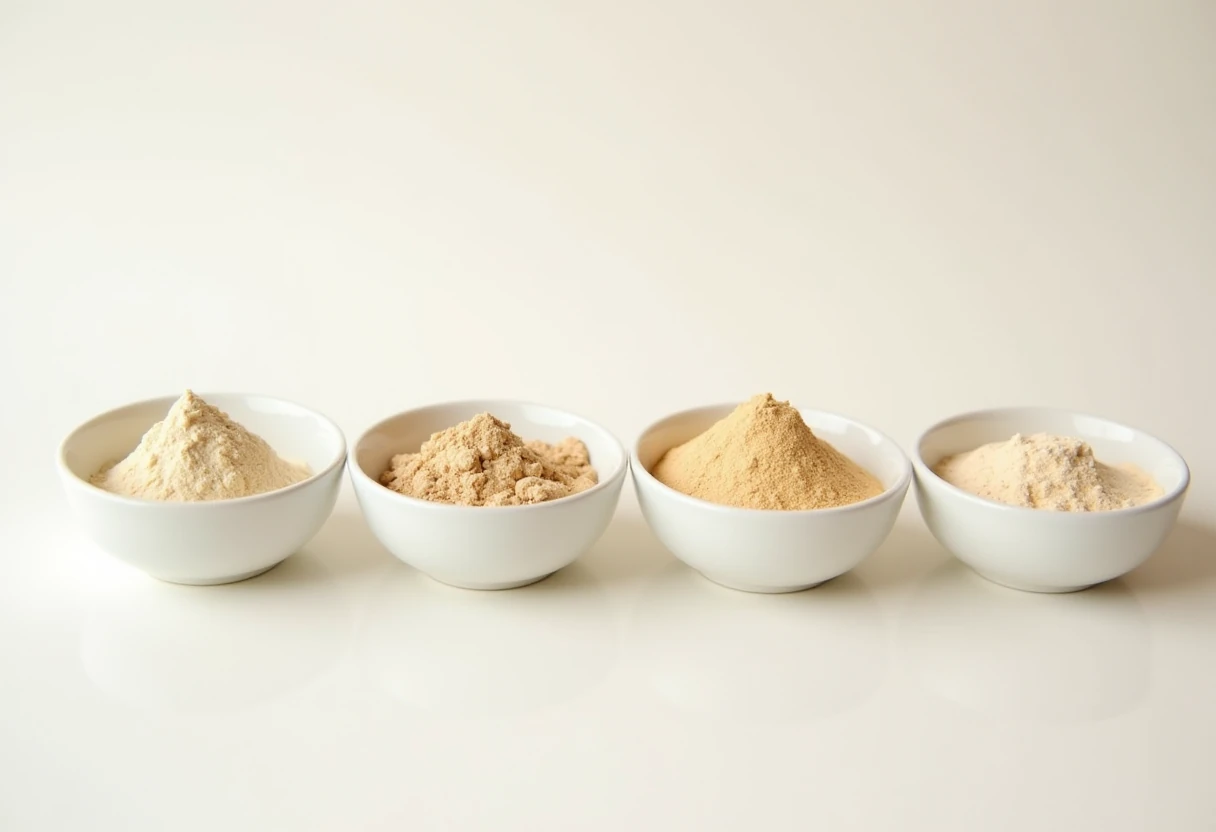
Single-Ingredient Whey And Pea Protein (Unflavored)
Unflavored, short ingredient list
A single-ingredient protein powder is just one protein source and nothing else. Unflavored whey isolate and single-ingredient pea protein contain no sucralose and no added sweetener at all in their plain versions. Flavored versions, when they use one, tend to lean on coconut sugar or a plant-derived sweetener rather than sucralose — read the specific product. If you want whey rather than a plant protein but still want a short label, this is a credible choice.
Pros:
- Unflavored versions have no sweetener of any kind
- Available in both whey and pea
- Widely available
Cons:
- Whey is dairy — not for the allergy household
- Flavored versions add sweeteners and calories that the unflavored version does not have
Organic Plant-Based Blend (Stevia-Free)
Flavored plant option that skips stevia
Stevia-free organic plant blends are built around a specific constraint: they skip both sucralose and stevia, typically using monk fruit or a small amount of coconut sugar or fruit instead. Protein per serving for plant blends usually lands somewhere around 15–21 g, depending on the formulation. If you have learned that you also dislike stevia’s aftertaste, this is one of the few flavored categories built around that exact constraint.
Pros:
- No sucralose and no stevia
- Often low- or zero-sugar, depending on the formula
- Multi-source plant blends are usually complete in their amino-acid profile
Cons:
- Plant blends are lower in leucine than whey, so the effective dose may need to be larger
- Multi-ingredient blend — more to scan than a single isolate
Organic Plant-Based Blend (Lightly Sweetened)
Flavored, mainstream, allergen-friendly
Lightly sweetened organic plant blends are the mainstream allergen-friendly category, typically delivering somewhere around 15–21 g of plant protein per serving. Across this category some products use stevia or erythritol rather than sucralose — read the panel for the specific tub. If sucralose is your only hard line and stevia is acceptable, a plant blend is a reasonable mainstream pick.
Pros:
- Reliably skips sucralose, even when lightly sweetened
- Dairy-free and broadly allergen-friendly
- Widely stocked and easy to find
Cons:
- Many products use stevia or erythritol — check the label if those are also off-limits
- Longer ingredient list than a single isolate, and added gums or sweeteners are common
Five Popular Product Types: Who Uses Sucralose and Ace-K
This table reflects formulations commonly sold at the time of writing. Manufacturers reformulate, and flavored versions of a product can differ from the unflavored one, so treat this as a starting point and confirm against the panel in front of you.
| Product type | Contains sucralose? | Contains Ace-K? | What it uses instead |
|---|---|---|---|
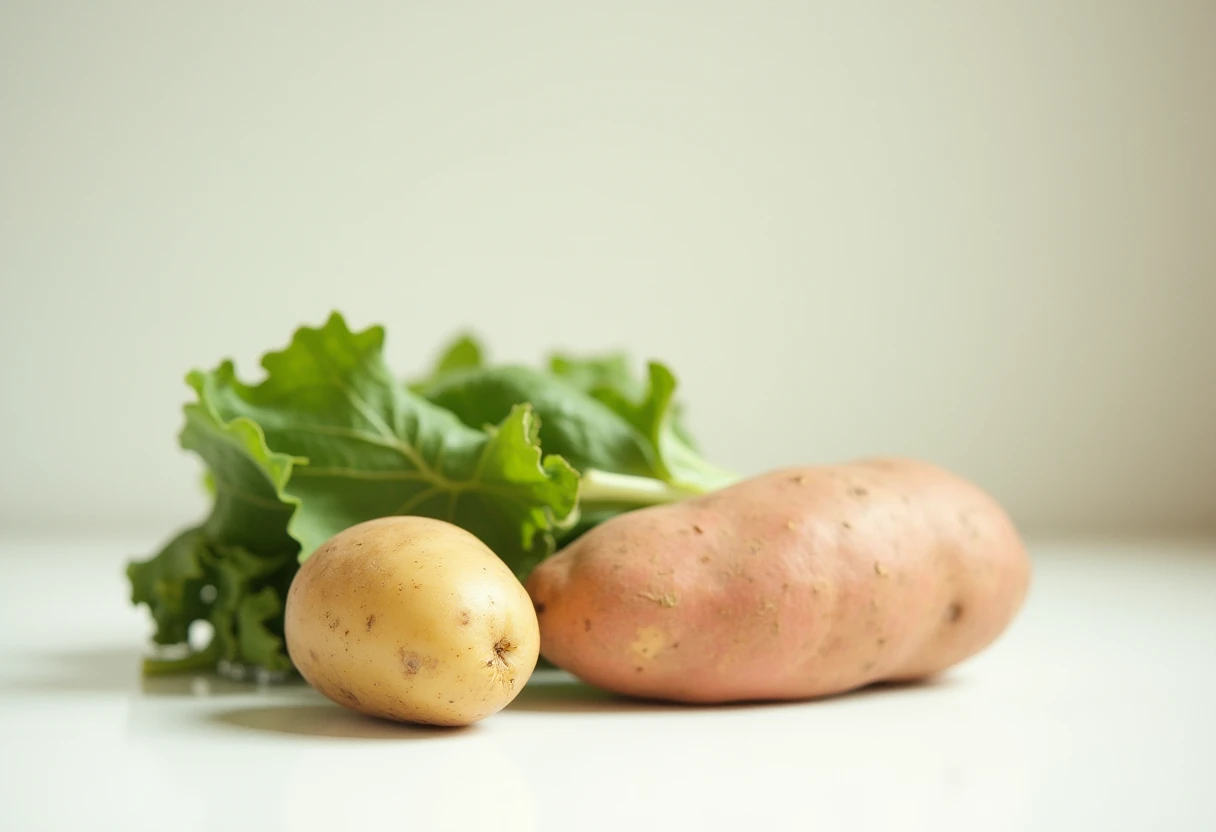
| Potato protein isolate (unflavored, single-ingredient) | No | No | Nothing — zero sweeteners |
| Mainstream flavored whey blend | Yes | Yes | Sucralose + acesulfame potassium |
| Flavored whey isolate (low-carb line) | Yes | No | Sucralose + stevia |
| Organic plant-based blend (stevia-free) | No | No | No added sweetener, or monk fruit / coconut sugar |
| Single-ingredient whey / pea (unflavored) | No | No | Nothing in unflavored; coconut sugar in flavored |
The pattern is consistent: mainstream flavored whey powders are the most likely to carry sucralose, often with Ace-K alongside, while single-ingredient and organic plant lines tend to skip it. For a broader view of how additives stack up across categories, our allergen-free protein guide walks through the same label-reading logic applied to dairy, soy, and gum stabilizers.
What to Look For on Your Own
Once you leave this page, the decision comes down to four habits.
Read the full ingredient list, not the front of the tub. “No artificial sweeteners” on the front does not always survive contact with the back panel. Scan specifically for sucralose, Splenda, trichlorogalactosucrose, acesulfame potassium, Ace-K, and aspartame.
Check the flavor variant, not just the product line. An unflavored powder may be sweetener-free while its chocolate version contains sucralose. The product line tells you little; the specific flavor tells you everything.
Decide where you stand on the alternatives. Replacing sucralose, manufacturers reach for sweeteners derived from plants — stevia and monk fruit are the calorie-free options; coconut sugar, dates, and honey add sweetness with calories. Stevia is divisive: some people taste a lingering bitterness, and a subset avoid it entirely, which is why a separate market exists for stevia-free powders. Monk fruit tends to be better tolerated by taste. If you want zero sweetener of any kind, a single-ingredient isolate is the only category that reliably delivers it.
Confirm third-party testing. Sweeteners are not the only thing worth screening for. The Clean Label Project’s 2025 Protein Study 2.0 tested 160 products from 70 brands and found that 47% exceeded at least one federal or state safety standard, with plant-based powders averaging five times more cadmium than whey-based ones. A published Certificate of Analysis is the cleanest way to verify what is — and isn’t — in the tub. Our broader take on additives lives in our guide to protein powder without junk ingredients, and the single-ingredient rationale is laid out in our piece on why a single-ingredient protein powder matters.
How to Flavor a Shake Without Any Sweetener
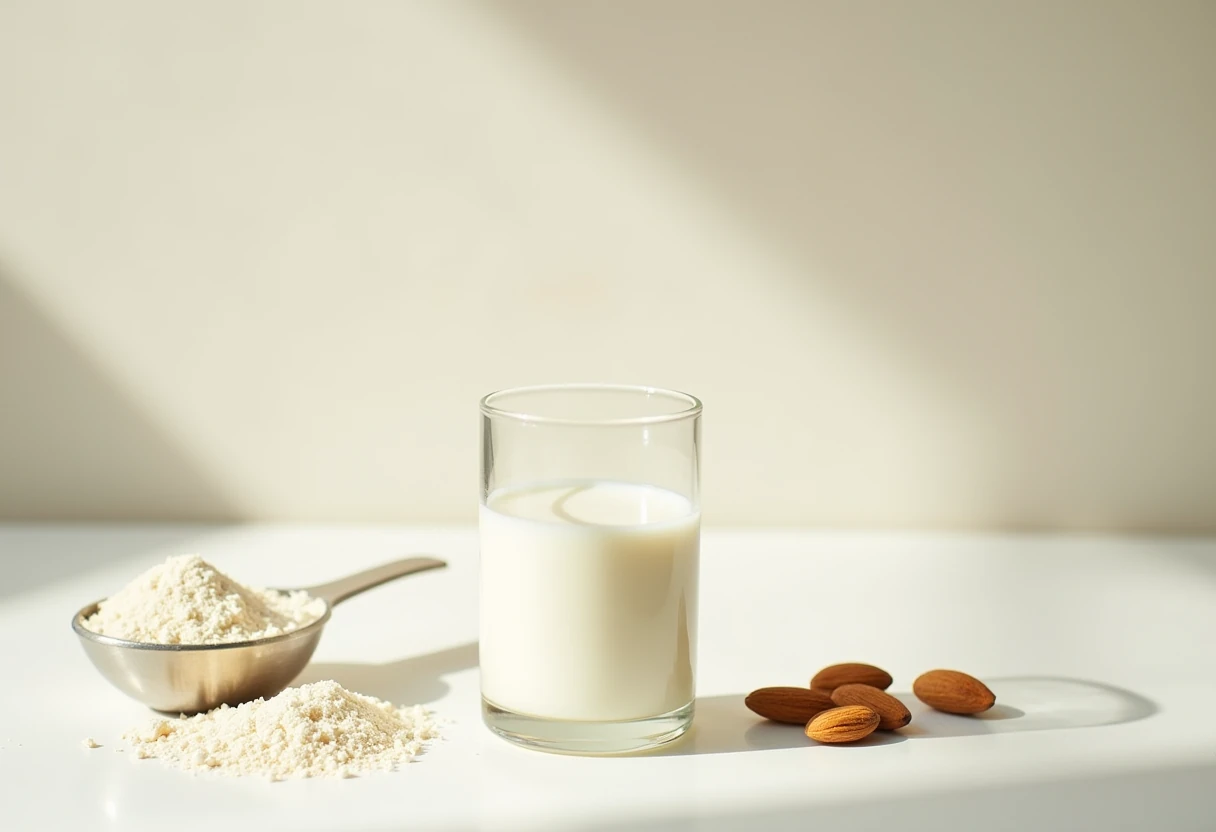
The objection to unsweetened protein is always taste, and it is fixable without artificial sweeteners. The simplest route is to let real food do the sweetening. Half a banana adds sweetness and body. A couple of pitted dates blended in do the same with a caramel note. Cacao powder gives you chocolate without sugar; a half-teaspoon of cinnamon or a few drops of vanilla extract round out the profile. Frozen berries add tartness and color.
Because an unflavored isolate disappears into whatever you mix it with, it doubles as an ingredient rather than only a drink — stirred into oatmeal, yogurt, or a smoothie, or baked into pancakes. If you want recipes built around that idea, the recipe index is a starting point.