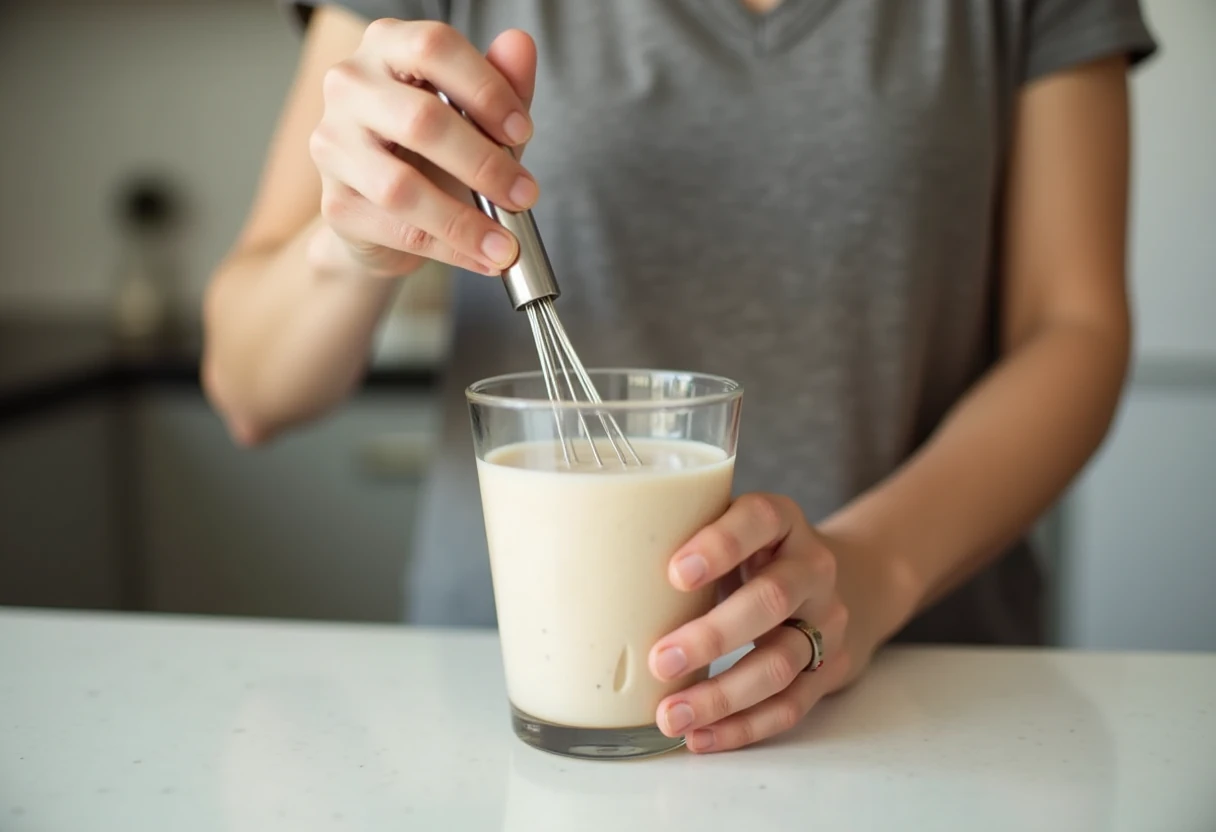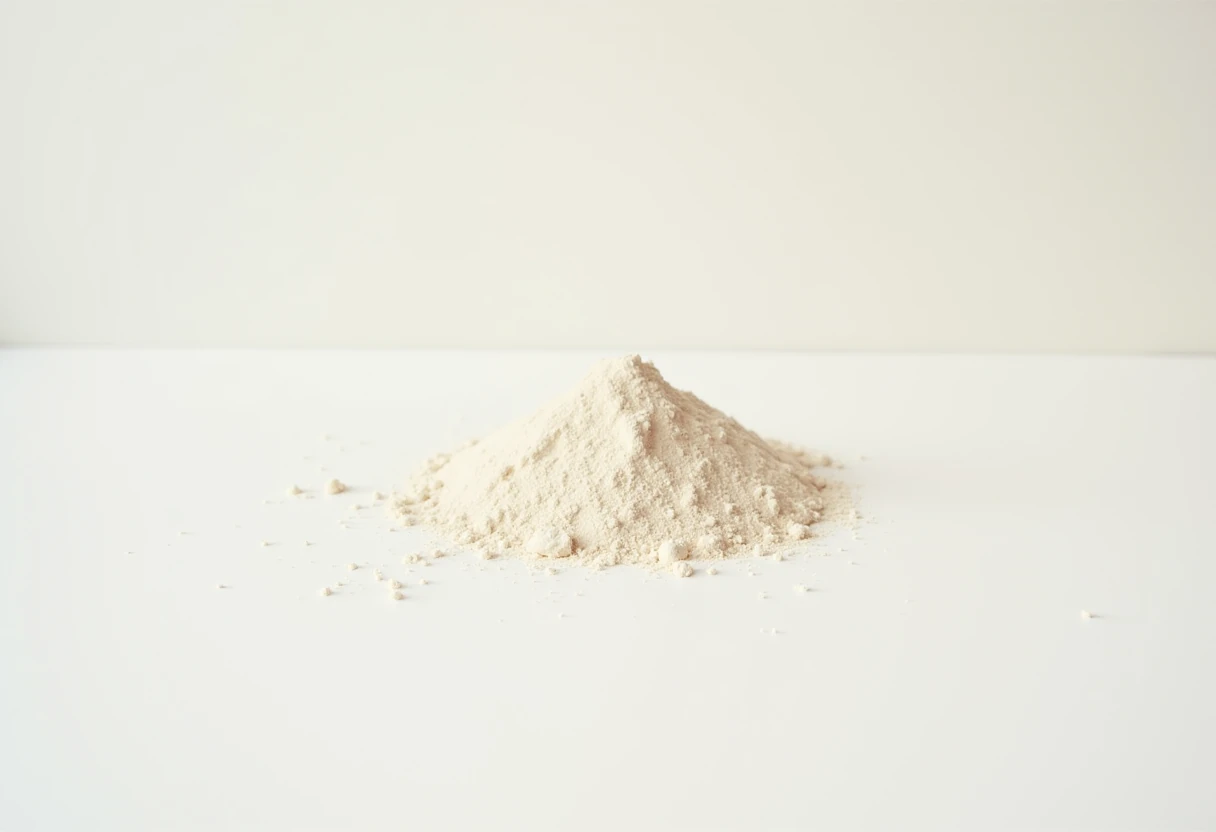
The cleanest protein powder contains one ingredient: the protein itself. No artificial sweeteners, no sugar alcohols added for sweetness, no artificial flavors or colors, and no proprietary blends that hide the per-ingredient dose. In Consumer Reports’ October 2025 testing of 23 protein powders and ready-to-drink shakes, more than two-thirds carried more lead per serving than the group’s 0.5-microgram safe daily limit — which is why what goes into the tub matters as much as what gets printed on the front of it.
The cleanest protein powder is a single-ingredient isolate with no artificial sweeteners, no sugar alcohols, no artificial flavors or colors, and no proprietary blends — and it discloses every ingredient with its exact amount. Look for third-party heavy-metal testing with a published Certificate of Analysis. A one-ingredient potato, pea, or whey isolate meets this standard; a powder with a 12-item label and a “proprietary amino matrix” does not.
This guide is about additives, not bulking agents. “Junk” here means the four categories that get added for taste, texture, or marketing — artificial sweeteners, sugar alcohols used for sweetness, artificial flavors and colors, and undisclosed blends — not the maltodextrin and gums used as cheap volume. If you came for the filler question specifically, the companion guide on protein powder without fillers covers bulking agents in detail. Here, we focus on what gets added to make a powder palatable and how to read past it.
We ranked picks against five label-and-testing criteria, then chose three powders — across potato, pea, and whey — that pass them, because no single protein source is right for everyone.
Top Options by Category
Potato Protein Isolate
Strongest all-around plant option
Nothing is added for sweetness, color, or flavor, so there is no artificial sweetener or sugar alcohol to react to and no blend to decode. Potato protein isolate sits among the highest-scoring plant proteins, with a Digestible Indispensable Amino Acid Score reported as high as 100%. It contains all nine essential amino acids, and in a 2020 trial, 25 g consumed twice daily stimulated muscle protein synthesis in young women. It is also a low-FODMAP protein source, which matters if sweeteners are not the only thing your gut objects to.
Pros:
- Single ingredient — nothing to hide or decode
- No sweeteners, flavors, or colors of any kind
- Complete amino acid profile; among the highest-scoring plant proteins
- Low-FODMAP; no dairy, soy, egg, or nuts
Cons:
- Unflavored and earthy — you flavor it yourself
- Lower leucine per gram than whey
- Less familiar than pea or whey to most shoppers
Single-Ingredient Pea Protein
Best pea option
A single-ingredient pea protein keeps its label to pea protein with no added sweeteners or flavors, which is rare in the plant-protein aisle. Pea protein performs well for muscle: in an 84-day trial of sedentary adults doing resistance training, pea (about 20–22.5 g/day) and whey produced comparable gains in muscle mass (2.3% vs 2.4%, P = 0.92). The honest caveat is contamination, not additives. The Clean Label Project’s 2025 Protein Study 2.0 found plant-based powders contained five times more cadmium than whey-based varieties, and Consumer Reports found lead in plant-based products averaged nine times higher than dairy-based powders. A published COA is non-negotiable here.
Pros:
- Minimal label — no artificial sweeteners or flavors
- Muscle gains comparable to whey in trial data
- Dairy-free and soy-free
Cons:
- Plant powders run higher in cadmium and lead — verify testing
- Distinct pea taste that some find hard to mask
- Pea can carry FODMAPs (Monash University)
Unflavored Whey Isolate
Best whey option
If you tolerate dairy, an unflavored whey isolate is a one-ingredient whey product with no sweeteners, flavors, or colors. Whey is the reference standard for stimulating muscle protein synthesis thanks to fast digestion and high leucine content. Note the concentrate-versus-isolate distinction: whey isolate is typically around 90–95% protein with very little lactose, while concentrate carries more lactose. Leucine content between a high-percentage concentrate and an isolate is nearly identical, so concentrate is fine unless lactose is a problem for you. On contamination, dairy-based powders fared better than plant-based in both the Clean Label Project and Consumer Reports testing — but “better on average” is not “tested,” so check the COA.
Pros:
- Single ingredient; no added sweeteners
- Highest leucine of the three picks
- Lower average heavy-metal levels than plant powders
Cons:
- Contains dairy and lactose — not for the lactose-intolerant
- Concentrate, not isolate, so more lactose than an isolate
- Not an option for vegan or dairy-free shoppers
What to Look For on Your Own: How to Read a Protein Label
Most “junk” in protein powder is invisible if you only read the front of the tub. Brands print “no added sugar” in large type while listing three artificial sweeteners in small type on the back. The skill is not memorizing chemistry — it is knowing where the obfuscation hides. Two places matter most: the sweetener line and the blend line.
Spotting hidden sweeteners
Sweeteners are the single most common reason a protein label runs long. Scan the ingredient list for these and decide whether you want them:
- Artificial sweeteners: sucralose, acesulfame-potassium (often written “ace-K”), aspartame, saccharin. These add intense sweetness in tiny amounts and contribute nothing nutritionally.
- Sugar alcohols used for sweetness: erythritol, xylitol, maltitol, sorbitol. Words ending in “-ol” on a sweetness line are usually sugar alcohols, and they are a frequent cause of bloating.
- “Natural flavors” and “artificial flavors”: both are legal umbrella terms. “Artificial flavor” can stand in for dozens of undisclosed compounds. Even unsweetened “flavored” powders often hide a sweetener inside the flavor system.
A genuinely minimal powder either lists no sweetener at all or names a single one in plain language. If you want to avoid one specifically, we have separate guides on protein powder without sucralose and protein shakes without stevia. If sweeteners or additives are giving you symptoms, the broader rundown of common protein powder problems and how to fix them walks through what causes what.
Spotting blend obfuscation
The second trick is the proprietary blend. Instead of listing each ingredient with its own weight, a brand groups several into one line — “Amino Acid Matrix 5,000 mg” or “Performance Blend” — and lists only the combined total. That total can be 95% the cheapest ingredient and 5% the one advertised on the front, and you have no way to tell. United States labeling rules allow this, which is exactly why it persists.
The rule is simple: every ingredient should appear with its own amount. If a powder lists a blend by total weight only, treat the per-ingredient doses as unknown. We go deeper on this in the explainer on why proprietary blends are a problem. Full disclosure is the opposite signal — a brand that names every gram has nothing to hide.
The testing gap
No ingredient list shows heavy metals, and the contamination data is sobering. The Clean Label Project’s heavy-metal testing — performed by independent lab Ellipse Analytics using ICP-MS — found that certified organic powders averaged three times the lead of non-organic products, and chocolate-flavored powders contained 110 times more cadmium than vanilla, with 65% of chocolate powders exceeding California Prop 65 levels. The takeaway is not “avoid organic” or “avoid chocolate” as rules — it is that you cannot infer safety from a label. Only independent testing with a published Certificate of Analysis tells you. The guide on third-party testing explains what a real COA should contain.
How the Picks Compare
| Product | Ingredients | Added sweetener | Proprietary blend | Best for |
|---|---|---|---|---|
| Potato Protein Isolate | 1 (potato protein isolate) | None | No | Fewest ingredients, allergen-aware, low-FODMAP |
| Single-ingredient pea protein | 1 (pea protein) | None | No | Plant-based, dairy-free, muscle gain |
| Unflavored whey isolate | 1 (whey concentrate) | None | No | Dairy-tolerant, highest leucine |
All three pass the additive test. They diverge on protein source, allergen profile, and contamination risk — which is why the right answer depends on you, not on a ranking. If you are weighing sources head to head, the broader protein powder buyer’s guide compares them in more depth, and the potato protein vs whey breakdown covers the two extremes here.
References
- Herreman L, et al. Comprehensive overview of the quality of plant- and animal-sourced proteins based on the digestible indispensable amino acid score. Food Science & Nutrition (2020). PMID:33133540
- Oikawa SY, et al. Potato Protein Isolate Stimulates Muscle Protein Synthesis at Rest and with Resistance Exercise in Young Women. Nutrients (2020). PMID:32349353
- Singh RG, et al. Efficacy of Pea Protein Supplementation in Combination with a Resistance Training Program on Muscle Performance in a Sedentary Adult Population. Nutrients (2024). PMID:38999765
- Clean Label Project. Protein Study 2.0 (2025). cleanlabelproject.org/protein-study-2-0
- Consumer Reports. Protein powder and shake testing (October 2025).
- Pennings B, et al. Whey protein stimulates postprandial muscle protein accretion more effectively than do casein and casein hydrolysate in older men. The American Journal of Clinical Nutrition (2011). PMID:21367943