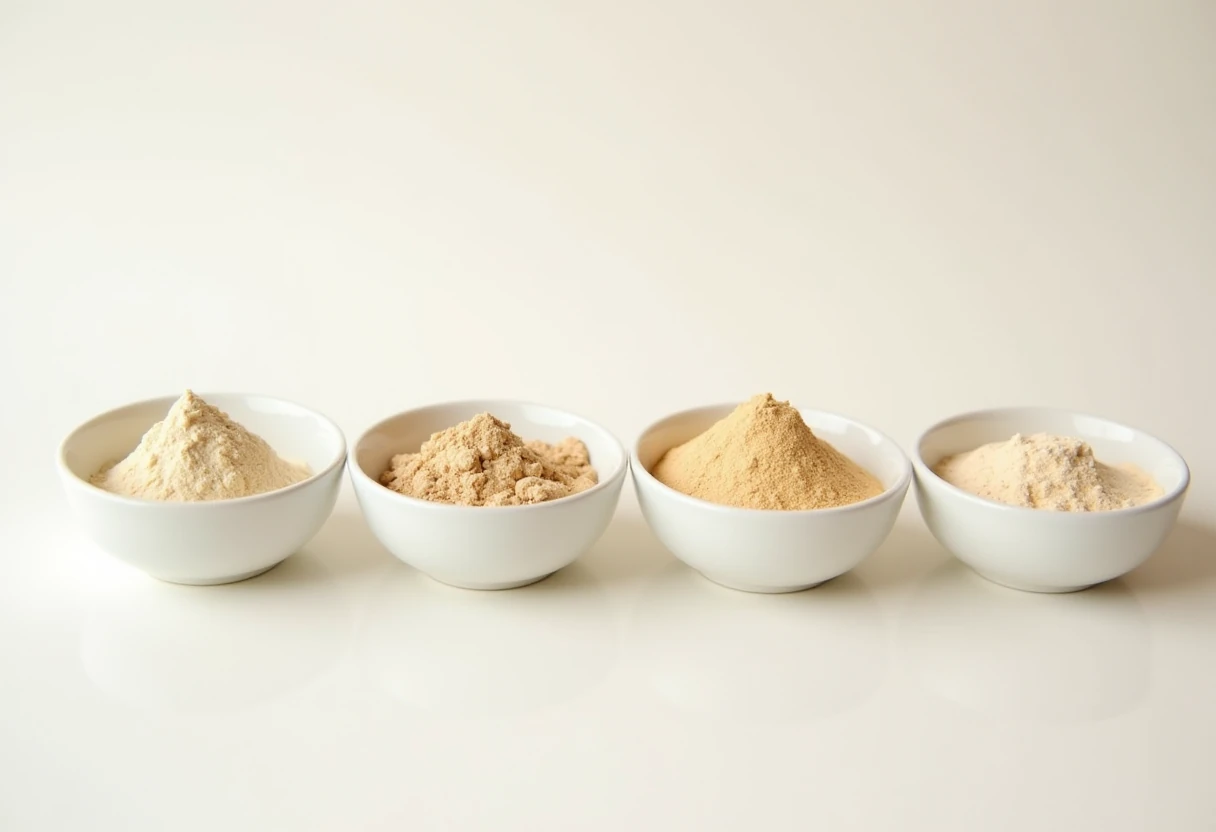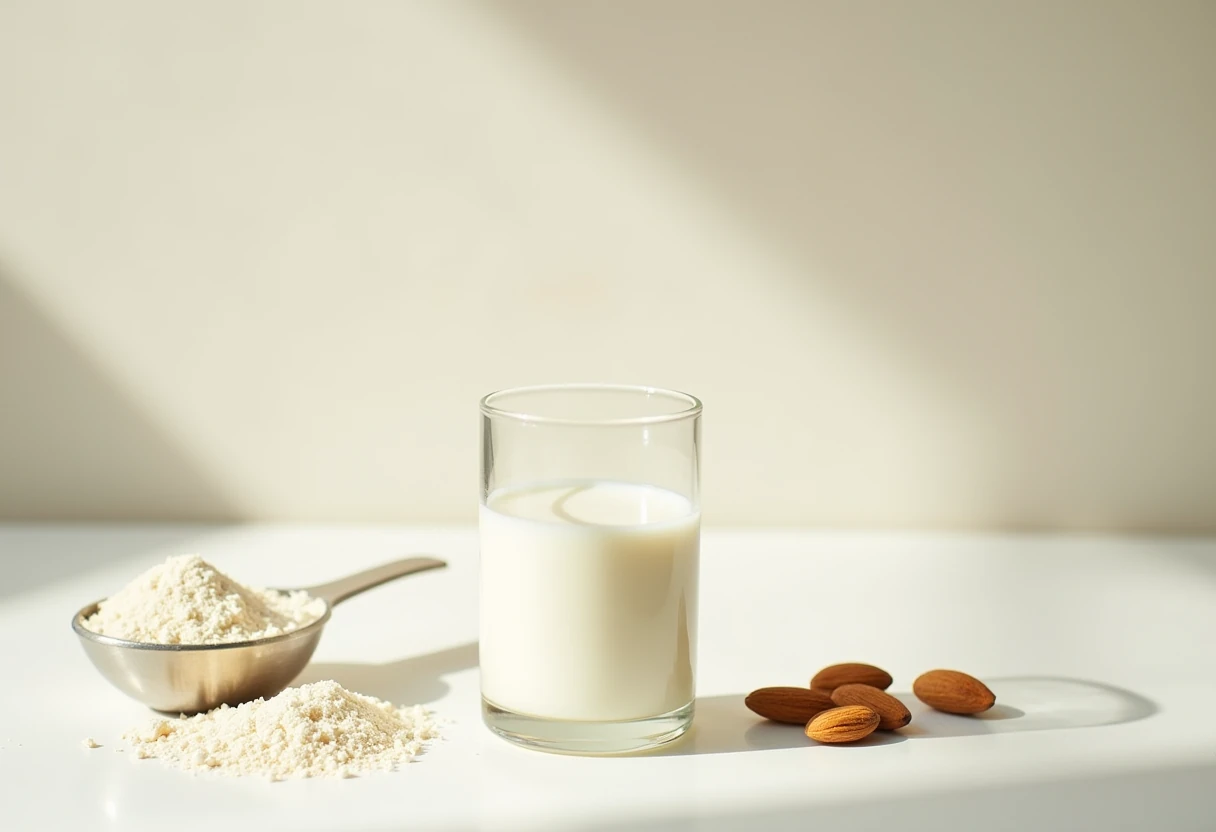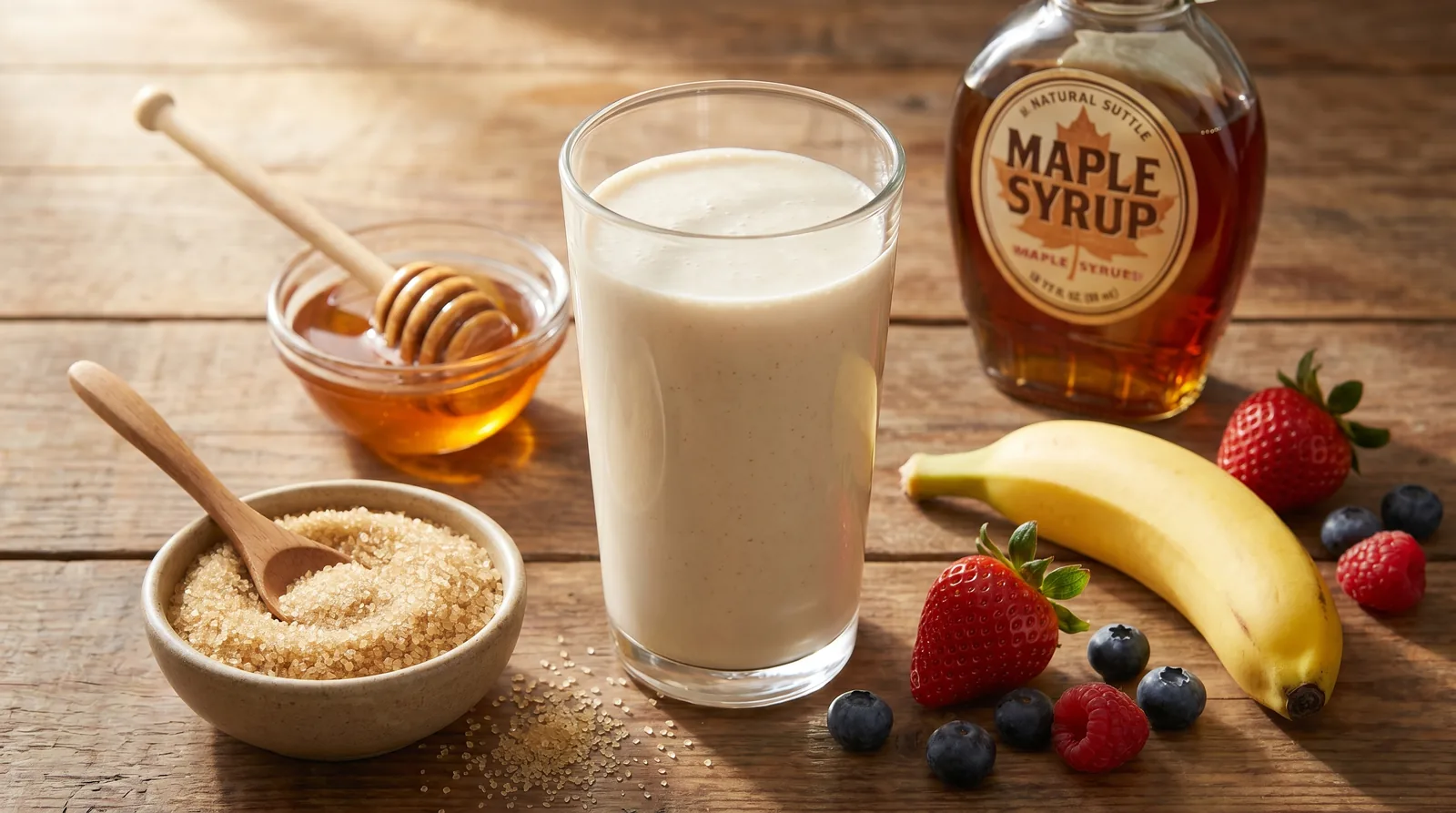
A protein powder with no artificial sweeteners is easy to find; one sweetened with real cane sugar instead of sucralose, aspartame, or stevia is genuinely rare. Most products marketed as free of artificial sweeteners fall into one of three groups: completely unsweetened single-ingredient powders, powders sweetened with stevia or monk fruit, and a small number that use cane sugar, coconut sugar, or fruit. If your actual goal is real sugar and nothing synthetic, the most reliable route is to buy an unsweetened powder and add the sweetener yourself.
Yes, protein powder with no artificial sweeteners exists, but very few use real table sugar. The category splits three ways: unsweetened powders (often single-ingredient, like potato protein isolate or single-ingredient pea protein), powders sweetened with stevia or monk fruit, and a handful sweetened with cane or coconut sugar. The cleanest-reading option is an unsweetened powder you sweeten yourself, because it lets you control the exact sugar source and amount.
The categories below are judged on ingredient transparency, protein quality, and whether the type is available with zero sucralose, aspartame, and acesulfame potassium.
Top Options by Category
Single-Ingredient Potato Protein Isolate
Single-ingredient, unflavored
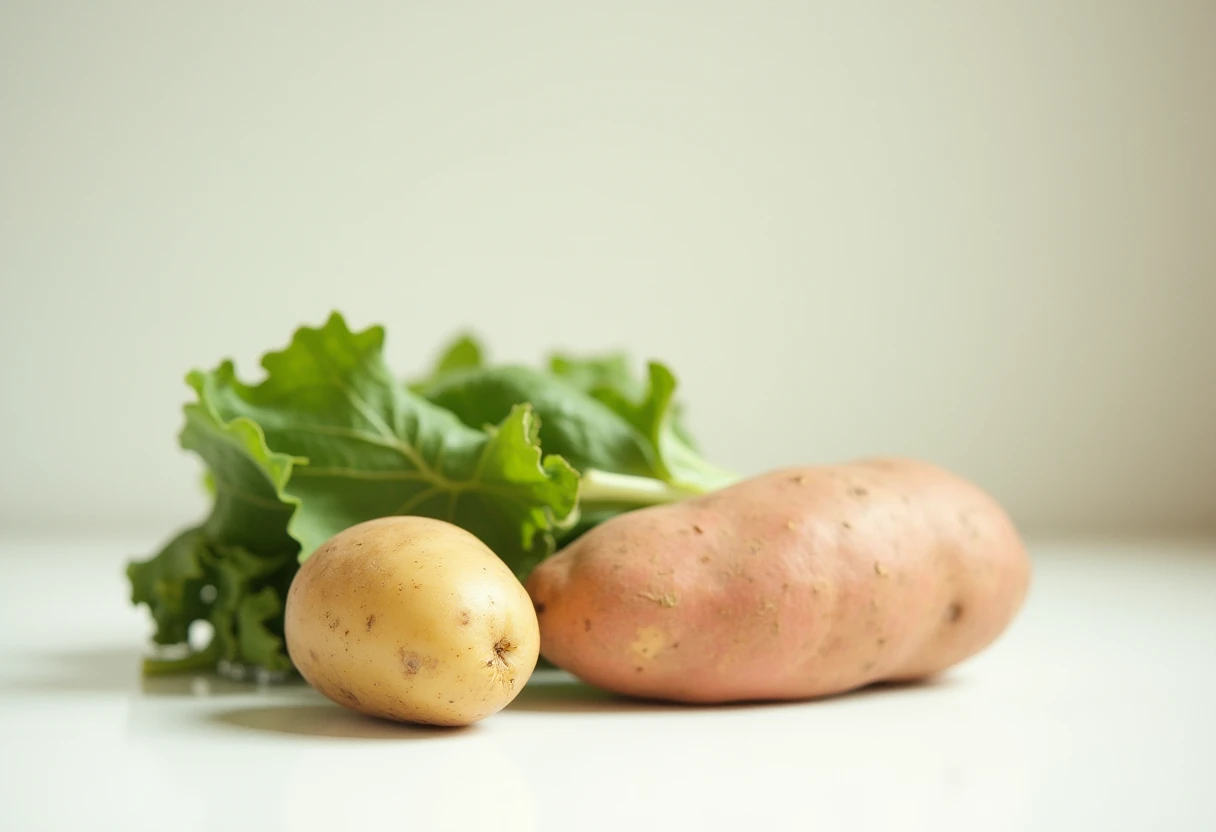
One ingredient: potato protein isolate. No sweetener of any kind, artificial or otherwise, which means there is nothing to react to and nothing to mask. You decide whether to add real sugar, fruit, honey, or nothing at all. Potato protein isolate runs roughly 80–95% protein on a dry basis, and its PDCAAS is among the highest of any vegetable protein source. A DIAAS as high as 100% has been reported for potato protein isolate (Herreman et al., 2020, Food Science & Nutrition, PMID:33133540). A 2020 trial found that 25g of potato protein isolate taken twice daily stimulated muscle protein synthesis in young women (2020, Nutrients, PMID:32349353). It is also a low-FODMAP protein source (Monash University, 2019) and is allergen-free, which matters for the dairy-, egg-, soy-, and nut-free households we hear from most.
Pros:
- One ingredient, zero sweeteners — you control the sugar
- Free of dairy, egg, soy, nuts, and gluten
- High protein quality, with published muscle-synthesis data
- Low-FODMAP; disappears into food
Cons:
- Unsweetened and unflavored — not a grab-and-go shake on its own
- You have to supply your own sweetness and flavor
Single-Ingredient Pea Protein
Single-ingredient, unflavored
A single-ingredient pea protein is just yellow pea protein — nothing else. Unflavored, unsweetened single-ingredient powders exist across whey, pea, and other sources. If you want the same “add your own sweetener” control but prefer pea or whey to potato, this is the obvious alternative. Choosing the unflavored, unsweetened version is what keeps it free of artificial sweeteners — flavored versions in the broader market frequently are not.
Pros:
- Single-ingredient, unsweetened versions available
- Multiple protein sources to choose from
- You decide on the sweetener
Cons:
- Some flavored versions add sweeteners — read the specific label
- Whey versions are not dairy-free
Organic Plant-Based Blend (stevia-free)
Flavored, pre-mixed, stevia-free
If you want a ready-to-mix flavored powder without artificial sweeteners and without stevia, a stevia-free organic plant-based blend is a reasonable option. Blends like this typically deliver around 15–21g of plant protein per serving. They do the sweetening for you, so they trade some ingredient minimalism for convenience.
Pros:
- Roughly 15–21g plant protein per serving
- Available without artificial sweeteners and without stevia
- Flavored and ready to mix
Cons:
- Longer ingredient list than a single-ingredient powder
- Less control over what sweetens it
Organic Plant-Based Blend (zero-sugar, stevia-free)
Flavored, sugar-free, stevia-free
A zero-sugar, stevia-free organic plant-based blend pairs a flavored mix with 0g of added sugar. It suits someone who wants a flavored, sugar-free powder that also skips stevia and artificial sweeteners. Protein per serving for the lower-protein, sugar-free versions tends to sit at the bottom of the range, so they fit a lighter shake or a recipe where you are adding protein from other foods too.
Pros:
- 0g sugar, no stevia, no artificial sweeteners
- Certified-organic versions available
- Flavored and ready to use
Cons:
- Protein per serving can be on the lower side
- Multi-ingredient blend
Comparison
Reliable published sugar-per-serving figures are not available for every product, so the table lists what the verified data supports and uses an em-dash where a value is not established.
| Pick | Protein / serving | Sweetener | Sugar / serving | Protein source |
|---|---|---|---|---|
| Single-ingredient potato protein isolate | — | None | — | Potato protein isolate |
| Single-ingredient pea protein (unsweetened) | — | None | — | Pea, whey, others |
| Organic plant-based blend (stevia-free) | ~15–21g | No artificial sweeteners, no stevia | — | Plant blend |
| Organic plant-based blend (zero-sugar, stevia-free) | ~15g | No artificial sweeteners, no stevia | 0g | Plant blend |
What to Look For on Your Own
The phrase “no artificial sweeteners” is not regulated tightly enough to tell you what you are actually getting. Two products can both claim it while being completely different — one unsweetened, one packed with monk fruit and coconut sugar. Read past the front of the bag.
Decide what “no artificial sweeteners” means to you
Some people only want to avoid sucralose, aspartame, and acesulfame potassium. Others also want to avoid stevia and monk fruit, which are non-synthetic but still very sweet and, for some palates, off-tasting. A smaller group specifically wants real sugar — cane, coconut, or fruit. Knowing which camp you are in narrows the search immediately. If you want real sugar with nothing synthetic, an unsweetened powder plus your own sugar is the most controllable answer, and it is usually the shortest ingredient list as well.
Count the ingredients
A single-ingredient powder is the simplest thing to verify: one line on the label, nothing to cross-reference. This is the core idea behind the allergen-free protein guide — the fewer inputs, the fewer things to react to or question. If you have a child with a dairy, egg, soy, or nut allergy, or you are managing an autoimmune condition, a one-ingredient powder removes a lot of label-reading anxiety. Potato protein in particular is repeatedly described in the literature as a high-quality, allergy-free protein source, and it is low-FODMAP, which matters if you have IBS.
Check the protein quality, not just the protein grams
Grams on the front of the bag do not tell you how usable the protein is. PDCAAS and DIAAS do. Potato protein isolate scores among the highest of vegetable proteins, with a reported DIAAS as high as 100% (Herreman et al., 2020, Food Science & Nutrition, PMID:33133540), and a 2020 trial showed it stimulates muscle protein synthesis at rest and after exercise (2020, Nutrients, PMID:32349353). If you want a deeper background on the ingredient itself, see what potato protein is. For more on why people drop stevia and sucralose altogether, the guide to avoiding those sweeteners covers the reasoning.
Insist on independent contamination testing
This is the part most “no artificial sweeteners” guides skip, and it matters more than the sweetener question. The Clean Label Project’s 2025 Protein Study 2.0 tested 160 products from 70 brands and found 47% exceeded at least one federal or state safety standard; chocolate-flavored powders contained 110 times more cadmium than vanilla, and 65% of chocolate powders exceeded California Prop 65 levels (Clean Label Project, Protein Study 2.0, 2025). Consumer Reports separately tested 23 protein products in 2025 and found more than two-thirds carried more lead per serving than its safe daily limit, with plant-based products averaging nine times the lead of dairy-based ones (Consumer Reports, 2025). Ask any brand for a recent certificate of analysis.