A protein powder without sucralose is one that either uses no high-intensity sweetener at all or swaps to an alternative like monk fruit. The shortest route to neither sucralose nor stevia is a single-ingredient isolate — potato, pea, or rice — where the label lists exactly one thing: the protein. People avoid sucralose and stevia for two practical reasons, not a manufactured panic: taste and digestion.
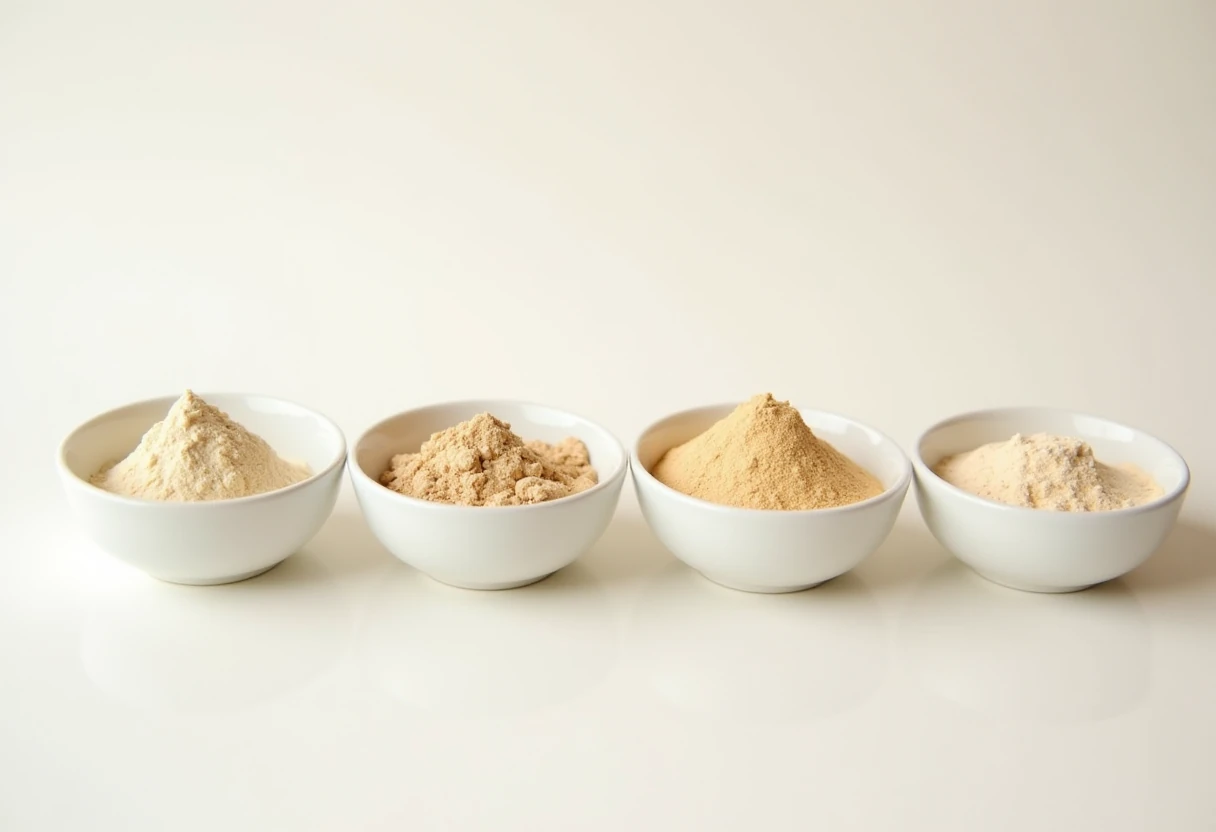
Protein powder without sucralose or stevia means a product sweetened with monk fruit or coconut sugar, or — more simply — a single-ingredient isolate with no sweetener listed at all. The most common reasons people avoid these two sweeteners are the lingering aftertaste (often described as bitter or metallic with stevia, and faintly chemical with sucralose) and digestive discomfort from sugar alcohols and high-intensity sweeteners. An unsweetened potato or pea protein sidesteps both by leaving the sweetening decision to you.
The options below are grouped by category — single-ingredient isolates versus minimally-formulated blends — and compared on ingredient transparency, protein quality, allergen profile, and third-party testing.
Why People Avoid Sucralose and Stevia
Stevia is a zero-calorie sweetener derived from the Stevia rebaudiana plant. Sucralose is a synthetic high-intensity sweetener. Neither is banned, and most people tolerate both. But two complaints come up repeatedly.
The first is taste. Stevia carries a bitter or licorice-like aftertaste that many people notice immediately and cannot un-taste. Sucralose reads as faintly artificial to some palates. For a reader who buys $40 olive oil and reads labels by default, “I just don’t like how it tastes” is a complete and reasonable answer.
The second is digestion. High-intensity sweeteners and the sugar alcohols often paired with them can produce bloating and gas in sensitive people. If you already deal with IBS, the sweetener can be the variable you remove first. Some manufacturers respond by using monk fruit, coconut sugar, or added flavorings instead. The cleaner solution — fewest moving parts — is to use no sweetener and flavor the powder yourself in whatever you’re already eating.
Top Options by Category
Single-Ingredient Potato Protein Isolate
Unsweetened, single ingredient
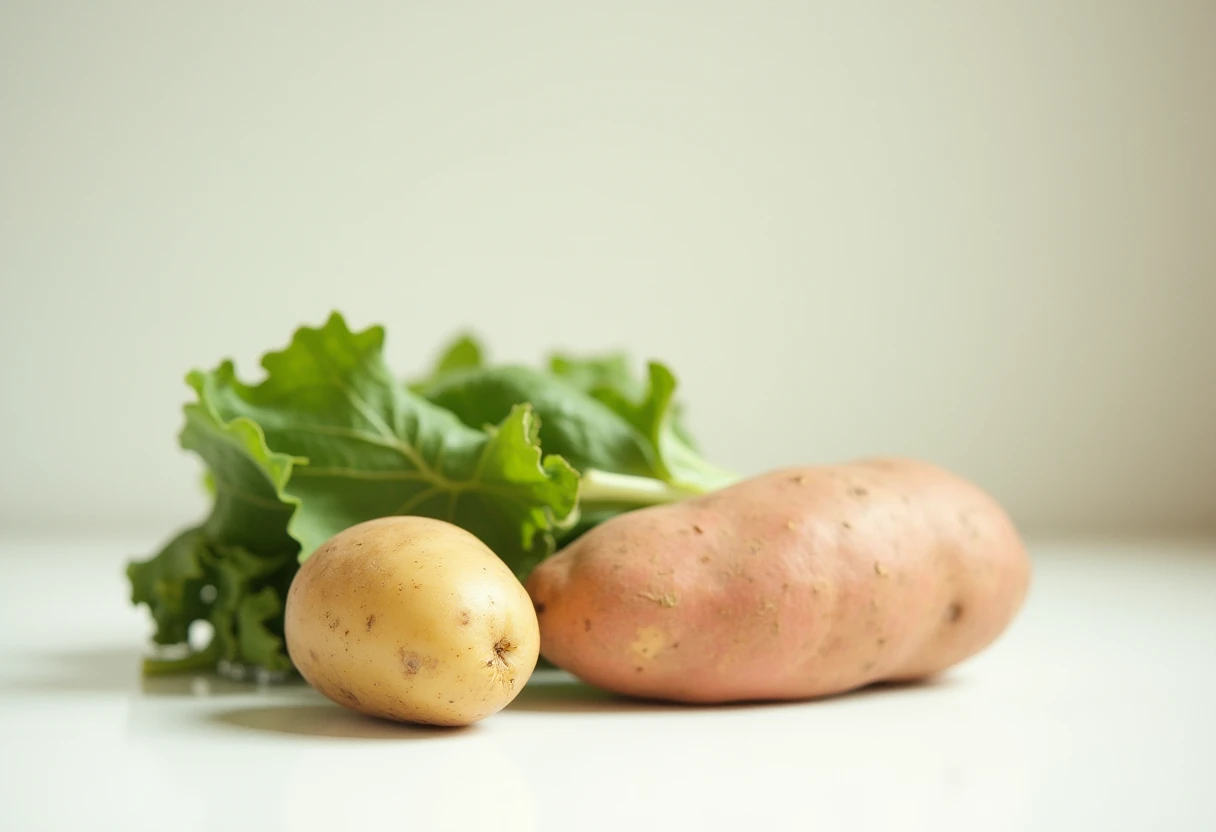
One ingredient: potato protein isolate. No sucralose, no stevia, no monk fruit — no sweetener at all. Potato protein isolate runs 80–95% protein on a dry basis, and its PDCAAS is among the highest of any vegetable protein source. Its DIAAS has been reported as high as 100% (Food Science & Nutrition, Herreman et al., 2020, PMID:33133540). In a controlled trial, 25 g of potato protein isolate taken twice daily increased muscle protein synthesis at rest and after resistance exercise in young women (Nutrients, 2020, PMID:32349353). It is also a low-FODMAP protein source (Monash University, Monash FODMAP, 2019) and is described in the literature as a high-quality, allergy-free protein (Food Research International, 2021, PMID:34507729). It disappears into your food.
Pros:
- No sweetener of any kind to react to or taste around
- Single ingredient — nothing to squint at
- High PDCAAS and DIAAS for a plant protein
- Low-FODMAP and free of dairy, egg, soy, and nuts
Cons:
- Unsweetened means you flavor it yourself
- Faintly earthy on its own — best mixed into food, not sipped plain
Single-Ingredient Pea Protein
Unflavored, widely available
A single-ingredient pea protein is just yellow pea protein and nothing else, so the unflavored version carries no sweetener. It is a sound choice if you prefer pea or want a different amino-acid profile. Pea protein is lysine-rich (averaging 7.9 g/100 g protein) with leucine around 7.1 g/100 g, though its limiting amino acid is methionine-plus-cysteine, which averages just 2.6 g/100 g (Molecules, 2024, PMID 39519674). That gap is why pea is often blended with rice — something to know if you track amino acids closely.
Pros:
- Single ingredient, no sucralose or stevia
- Soy- and dairy-free
- Widely available
Cons:
- Methionine is the limiting amino acid in pea
- Plant-based powders have tested higher for cadmium and lead in independent reports
Organic Plant-Based Blend (Stevia-Free)
Flavored multi-ingredient blend
A stevia-free organic plant-based blend is an option for someone who wants a flavored, ready-to-drink-style product without stevia. Per-serving protein in these flavored blends typically lands lower than a single isolate — often around 15–20 g — because flavorings, gums, and other ingredients take up part of each scoop. The trade-off is that it is a multi-ingredient blend rather than a single isolate, so there is more on the label to read. Worth noting from independent testing: in the Clean Label Project’s 2025 Protein Study 2.0, certified organic protein powders averaged three times the lead of non-organic products — a reminder that “organic” and “low heavy metals” are not the same thing.
Pros:
- Stevia-free, low or no added sugar
- Flavored option for people who want one
Cons:
- Multi-ingredient blend — more to verify
- Protein per serving runs lower than a single isolate
Organic Plant-Based Blend (Pared-Down)
Shorter ingredient list, still a blend
A pared-down organic plant-based blend trims the formula and drops stevia, which is why it earns a place here. Protein per serving in simpler vegan blends typically falls in the 18–21 g range, depending on how much the formula is concentrated. As with any organic blend, the heavy-metals caveat above applies, so favor the lots with published testing.
Pros:
- Stevia-free, pared-down ingredient list
- Fewer additives than a fully flavored blend
Cons:
- Still a blend, not a single isolate
- Check current lot testing for heavy metals
How the Picks Compare
Per-serving protein content varies by product and formulation; single-ingredient isolates concentrate the most protein per scoop, while flavored blends dilute it with other ingredients.
| Category | Sweetener | Protein / serving | Ingredients |
|---|---|---|---|
| Potato protein isolate | None | Highest (single ingredient) | Single ingredient |
| Single-ingredient pea protein | None | High (single ingredient) | Single ingredient |
| Organic plant-based blend (stevia-free) | None (stevia-free) | Lower (~15–20 g typical) | Blend |
| Organic plant-based blend (pared-down) | None (stevia-free) | Moderate (~18–21 g typical) | Blend |
What to Look For on Your Own
The fastest way to confirm a powder has no sucralose or stevia is to read the ingredient list, not the front of the bag. Marketing language like “no artificial sweeteners” can still hide stevia or monk fruit, and “lightly sweetened” tells you nothing about which sweetener. Read the actual list. Never squint to read your ingredient label.
If your reason for avoiding sweeteners is digestion, prioritize low-FODMAP proteins. Monash University notes that plant-derived proteins such as soy and pea can be challenging to purify and often retain some FODMAPs, while potato protein is classified as low-FODMAP. For dairy-based options, isolate carries less lactose than concentrate.
If your reason is allergy safety, the math is simple: the fewer ingredients, the fewer potential triggers. A single-ingredient isolate gives an allergy parent or autoimmune-aware adult exactly one thing to clear. For a fuller walkthrough, see our allergen-free protein guide, and if you want the science behind the ingredient itself, start with what potato protein actually is.
Finally, look at third-party testing. Consumer Reports tested 23 protein powders and shakes (published October 2025) and found more than two-thirds contained more lead per serving than its safe daily limit of 0.5 micrograms, with plant-based products averaging nine times the lead of dairy-based powders. The Clean Label Project’s 2025 Protein Study 2.0 tested 160 products from 70 brands and found 47% exceeded at least one federal or state safety standard. Sweetener choice is one variable; contamination is another, and the products worth your money publish their numbers.