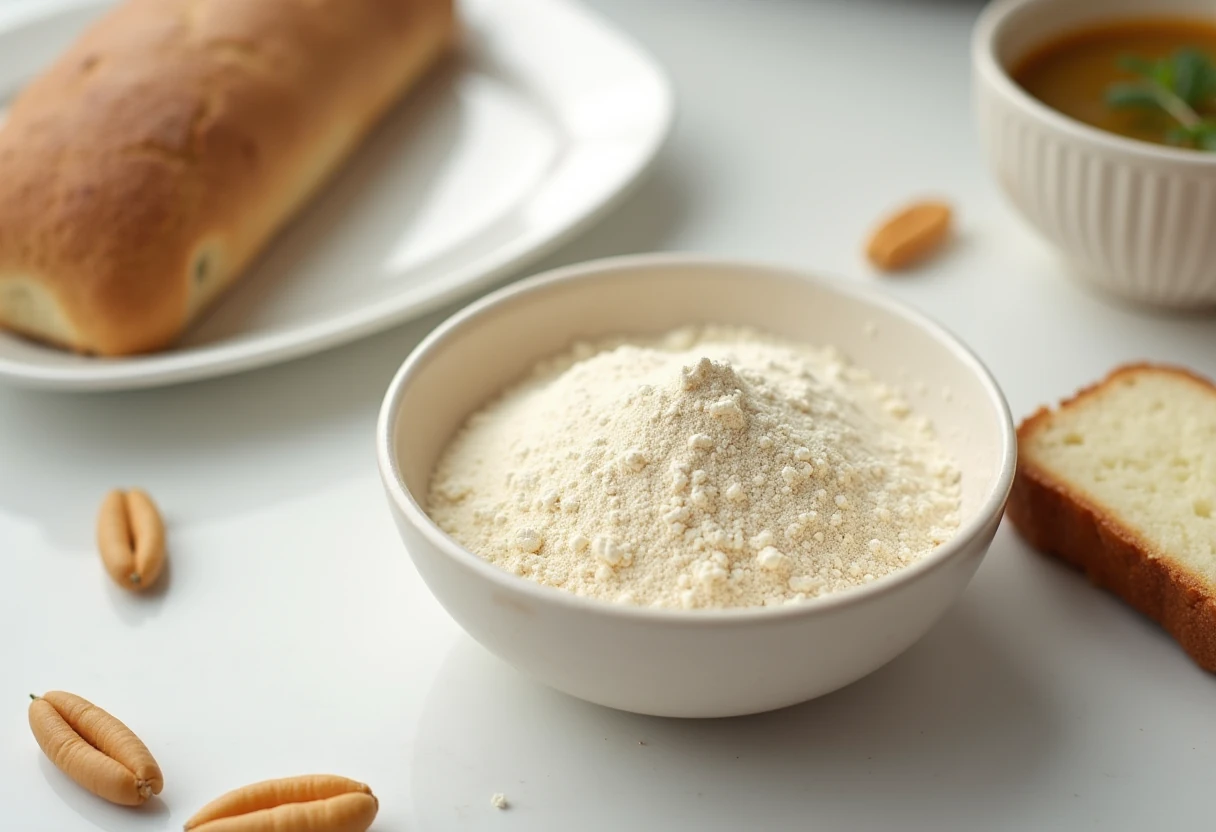
Unflavored protein powder is the only kind you can stir into soup, scrambled eggs, or a savory sauce without it tasting like a milkshake. This guide to unflavored protein powder and how to use it covers the three places it earns its keep — smoothies, savory cooking, and baking — and ranks five sources by how little they announce themselves in the finished food. The shortest ingredient list wins, because flavoring agents and sweeteners are exactly what limit where a powder can go.
To use unflavored protein powder, add the powder to your container first, then the liquid, and shake for 30 seconds to avoid clumps. It dissolves into smoothies, oatmeal, soups, sauces, and scrambled eggs without changing the flavor, and can replace 20–25% of the flour volume in baking. Potato protein isolate is the most neutral-tasting option; pea, rice, and hemp carry distinct earthy or nutty notes.
We evaluated unflavored protein powders on taste neutrality, ingredient count, mixability, heat stability for cooking, and allergen profile — the five things that decide whether a powder disappears into food or fights it.
Top Options by Category
These options are ranked on taste neutrality, ingredient count, mixability, heat stability, and allergen profile — a grassy pea isolate is a fine choice if you only ever blend it with berries, and unflavored whey isolate mixes beautifully if dairy is not a problem for you.
Potato Protein Isolate
Neutral-tasting, single ingredient
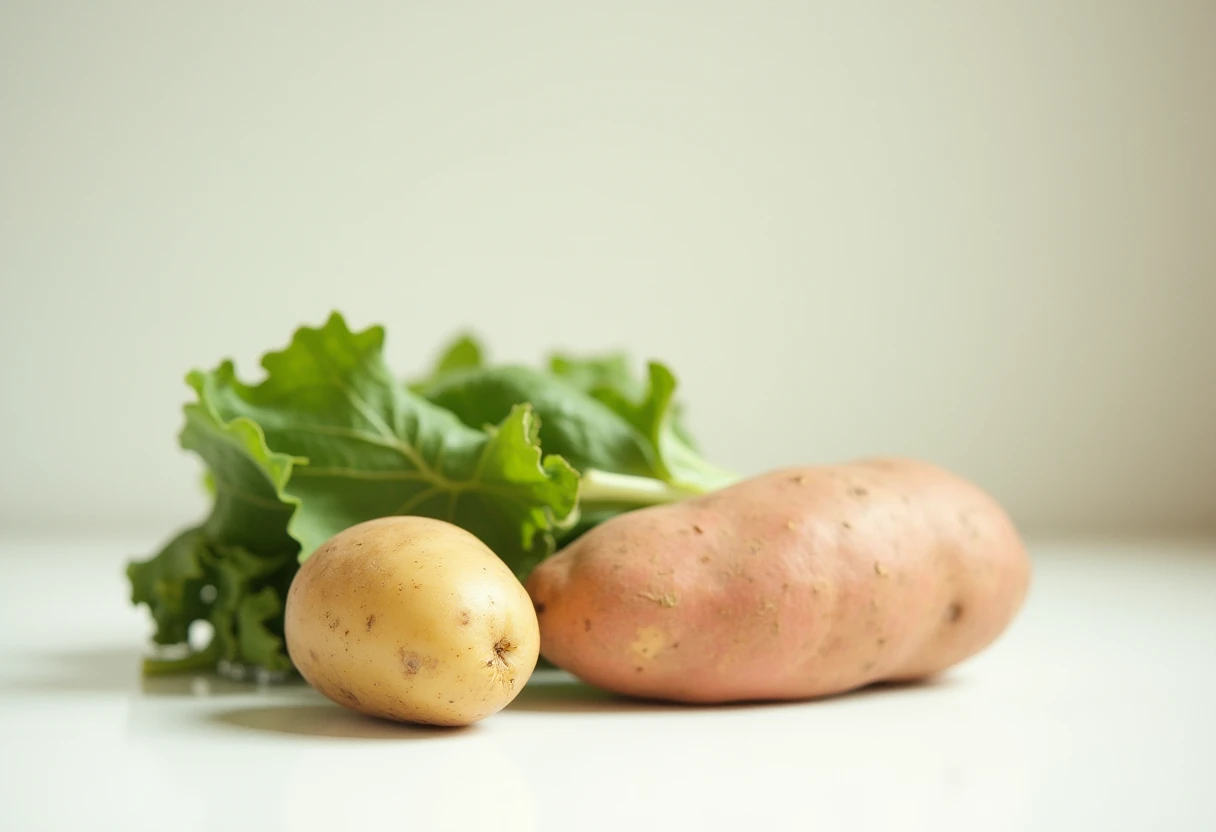
Potato protein isolate has the most neutral flavor of any plant protein — close to nothing once it is in food. It is typically a single ingredient: no sweeteners, no fillers, no flavoring agents. It contains 80–95% protein on a dry basis, and the Digestible Indispensable Amino Acid Score (DIAAS) for potato protein isolates has been reported as high as 100%. It is also a low-FODMAP protein source, which matters if your stomach reacts to pea or whey. Because there is no flavoring to clash, it goes into savory soup as easily as a fruit smoothie. It disappears into your food.
Pros:
- Most neutral taste of the plant proteins
- Often a single ingredient — nothing to react to or clash
- Low-FODMAP; free of dairy, soy, egg, nuts, gluten
- High DIAAS for a plant protein
Cons:
- Used alone in baking it can dry a recipe out — best mixed with flour, not as flour
- Less widely stocked than whey or pea
Unflavored Whey Protein Isolate
Dairy-based, mixes fast
Unflavored whey isolate mixes more readily than any plant powder and carries only a mild dairy or milk smell. Whey protein isolate is roughly 90% protein and very low in lactose, so most lactose-sensitive people tolerate the isolate better than the concentrate. The catch is the oven: whey proteins have relatively low heat stability, so they can turn rubbery in baked goods. It shines in cold smoothies and stirred into yogurt.
Pros:
- Dissolves almost instantly
- Very high protein density
- Faint dairy note, no sweetener aftertaste
Cons:
- Dairy allergen — not for everyone
- Low heat stability; less reliable in baking
Unflavored Pea Protein Isolate
Inexpensive, widely available
Pea isolate is widely available and inexpensive, and is often sold as a single ingredient — just yellow pea protein, nothing else. The honest drawback is taste: pea reads grassy and earthy, and that note survives into anything mild. Pea’s limiting amino acids are the sulfur amino acids methionine and cysteine, which it supplies in relatively low amounts. Monash University notes pea protein can contain some FODMAPs (GOS and fructan), which can trigger IBS symptoms. Good in a berry smoothie, less so in eggs.
Pros:
- Inexpensive and easy to find
- Single-ingredient versions exist
- No dairy or soy
Cons:
- Distinct grassy, earthy taste
- Can contain FODMAPs (GOS, fructan)
Hemp or Brown Rice Protein
Whole-food character, more texture
Hemp and brown rice protein are whole-food-adjacent and bring fiber, but neither hides in food. Hemp is nutty and strong; brown rice is gritty and earthy. Both are better suited to recipes where you want that character — a hearty oatmeal, a dense muffin — than to anything you want to taste like itself. We list them because for some people the texture and the source are the draw, not the neutrality.
Pros:
- Whole-food character, added fiber
- No dairy, soy, or egg
Cons:
- Strong nutty (hemp) or gritty earthy (rice) flavor
- Lower protein density; rice is incomplete alone
Taste and Texture by Protein Source
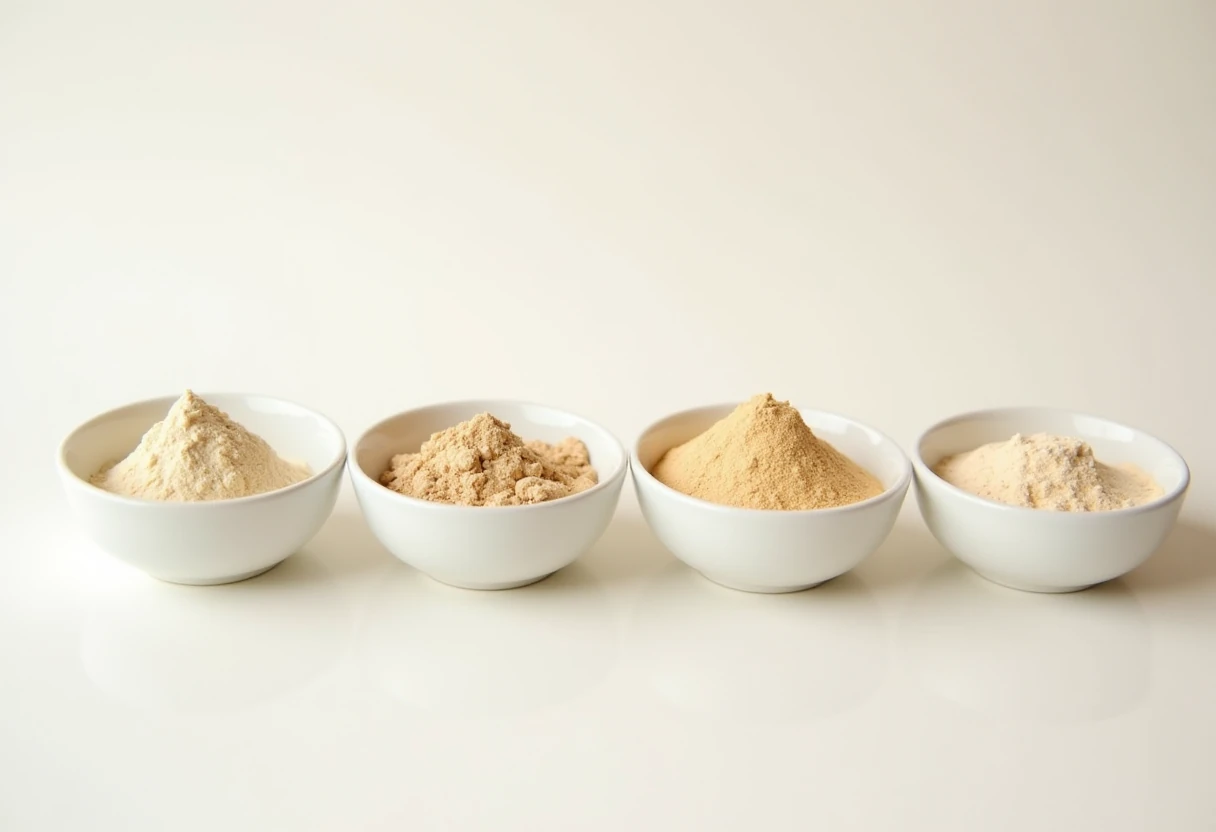
The single biggest factor in where an unflavored powder can go is how much it tastes like itself. Flavorless plant proteins are genuinely difficult to formulate — even soy isolate, often called the closest, is far from truly flavorless. Here is how the five common sources compare.
| Protein source | Taste profile | Mixability | Allergen notes |
|---|---|---|---|
| Potato protein isolate | Neutral, near-zero taste | Good; dissolves with shaking | No dairy, soy, egg, nut, gluten; low-FODMAP |
| Pea protein (unflavored) | Grassy, earthy | Moderate; can leave grit | No dairy or soy; may contain FODMAPs |
| Whey protein isolate (unflavored) | Mild dairy / milk smell | Excellent; near-instant | Dairy allergen; under 1% lactose |
| Brown rice protein | Gritty, earthy | Lower; noticeable texture | No dairy or soy; incomplete alone |
| Hemp protein | Nutty, strong | Lower; coarse | No dairy or soy; tree-nut-free but check labels |
If you want a powder that genuinely vanishes, neutrality is the deciding criterion, and that points to potato or whey isolate. For more on what makes a single-ingredient powder usable for the widest range of people, see our allergen-free protein guide, and for the source itself, what is potato protein.
How to Use Unflavored Protein Powder
Unflavored protein powder works in three broad places. The more neutral the powder, the more of these it can cover at once.
Smoothies
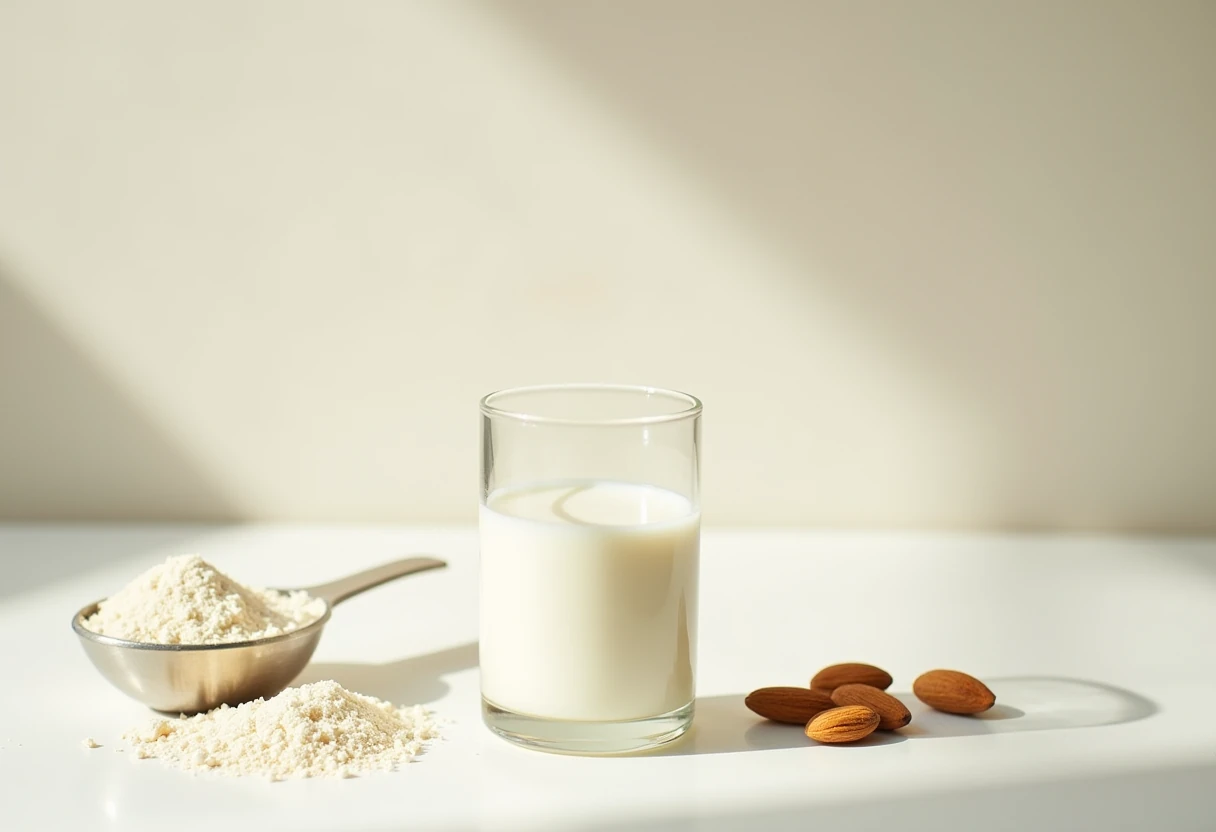
Add unflavored powder to any fruit blend without altering the flavor — the berries, banana, or mango carry the taste, and the protein just raises the protein content. With a flavored powder you are stuck matching the powder to the fruit; with a neutral one, every combination works. This is the lowest-effort entry point: blend your usual smoothie and add a scoop.
Savory cooking
This is where unflavored earns its name. Stir it into soups, sauces, scrambled eggs, mashed potato, or a pot of chili. A sweetened, vanilla-flavored powder is unusable here — it would taste wrong in everything. Add it off direct high heat where you can, whisk it into the liquid portion of a dish, and it raises protein without anyone noticing. General consensus is that cooking protein powder does not destroy its protein content, so the nutrition survives the pot.
Baking
You can substitute roughly 20–25% of the flour volume in a recipe with unflavored protein powder. Go higher and the result turns dry and crumbly — isolates absorb liquid and add no gluten structure. Using protein powder alone in pancakes tends to dry them out and they will not hold together well, so it is better mixed with oat or gluten-free flour. Treat the powder as part of your dry mix, not as the flour itself, and add a touch more liquid or fat to compensate.
Three Recipe Starters
None of these are full recipes — they are starting ratios you can build on. More are in our recipe index.
Unflavored protein pancakes
Combine your usual pancake dry mix (oat flour or a gluten-free blend) and replace about a quarter of the flour with unflavored protein powder. Add egg or a binder, milk of choice, and a little baking powder. Because the powder dries batter out, add liquid until it pours like a normal pancake batter rather than mounds. For a dedicated version, see our protein pancakes recipe.
Protein-raised oatmeal
Cook oats as normal, then stir a scoop of unflavored powder into the finished oatmeal once it is off the heat, adding a splash of milk to loosen it. Stirring it in at the end rather than cooking it in keeps the texture smooth. Top with fruit, nut butter, or cinnamon — the powder adds nothing to argue with.
Savory protein soup
Whisk a scoop of unflavored powder into a ladle of warm (not boiling) broth until smooth, then stir that slurry back into the pot of soup. Tempering it in a small amount of liquid first prevents clumping. This works for any blended or brothy soup — potato leek, tomato, lentil — and adds protein with no flavor cost.
What to Look For on Your Own
If you are shopping outside this list, the checklist is short. Read the ingredient panel first: a true unflavored powder should be one line — the protein and nothing else. The moment you see “natural flavors,” stevia, monk fruit, or gums, it is no longer neutral and no longer fully savory-friendly. Read the full ingredient label closely before buying.
Second, consider the allergen source against your own kitchen. A single-ingredient potato, pea, or rice protein is usable by people who cannot have dairy, egg, soy, or nuts; whey is not. Third, think about heat if you bake — plant isolates and whey behave differently in the oven, and you may want to test a small batch first.
Finally, look for third-party testing, which matters more than flavor. Independent labs have repeatedly found heavy metals in protein powders: in the Clean Label Project’s 2025 Protein Study 2.0, 47% of 160 products exceeded at least one federal or state safety standard, and plant-based powders contained five times more cadmium than whey-based varieties. A published Certificate of Analysis is how you verify what you are actually buying.