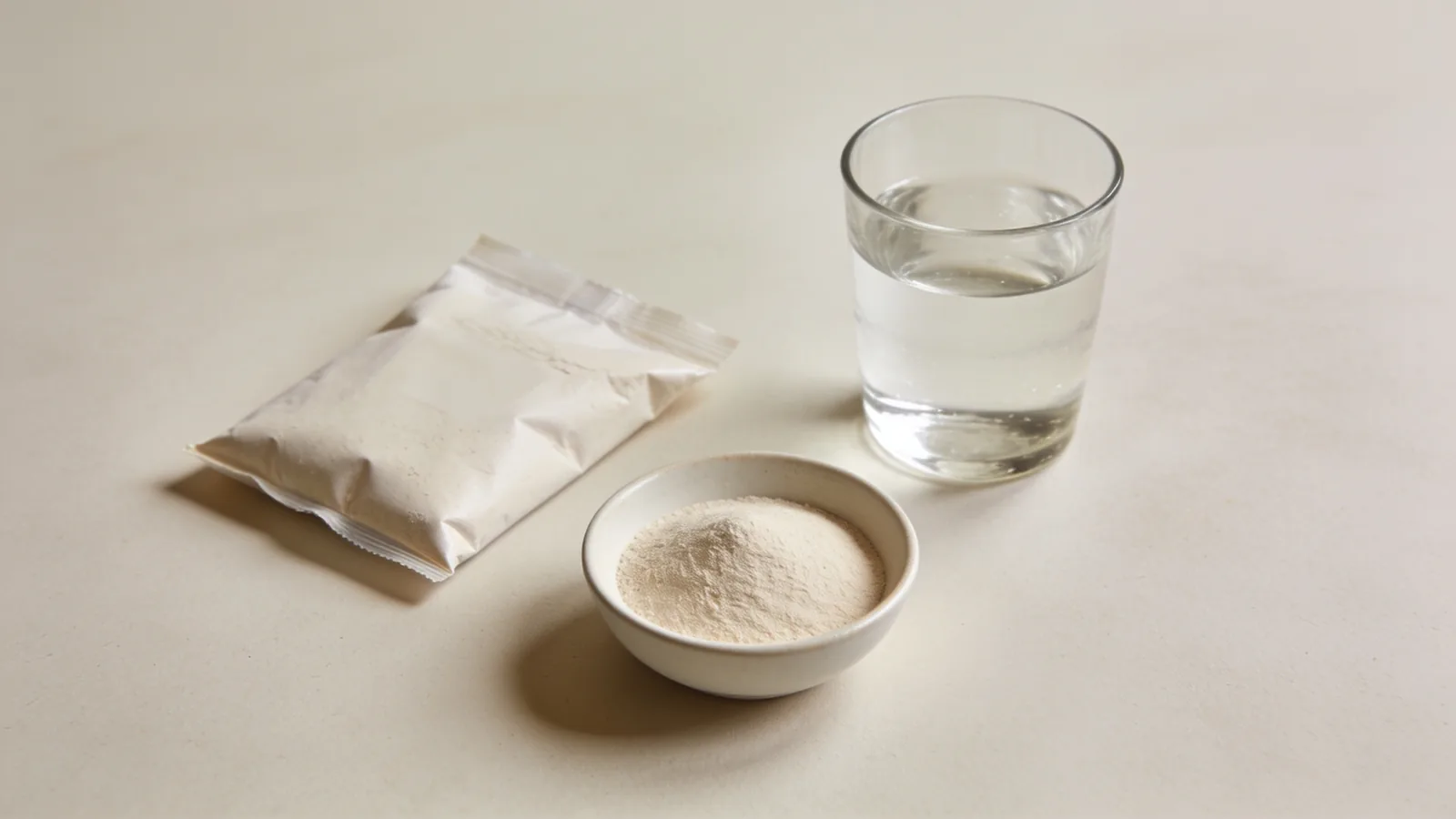
Choosing protein powder for SIBO comes down to one variable most labels never mention: FODMAP load. Protein powders are 70–90% protein, yet many are still high in FODMAPs because even small amounts of fermentable carbohydrate can trigger symptoms in a sensitive gut, according to Monash University. Potato protein isolate is classified as a low-FODMAP protein source by Monash FODMAP, which makes a single-ingredient potato isolate one of the lower-risk options on the shelf.
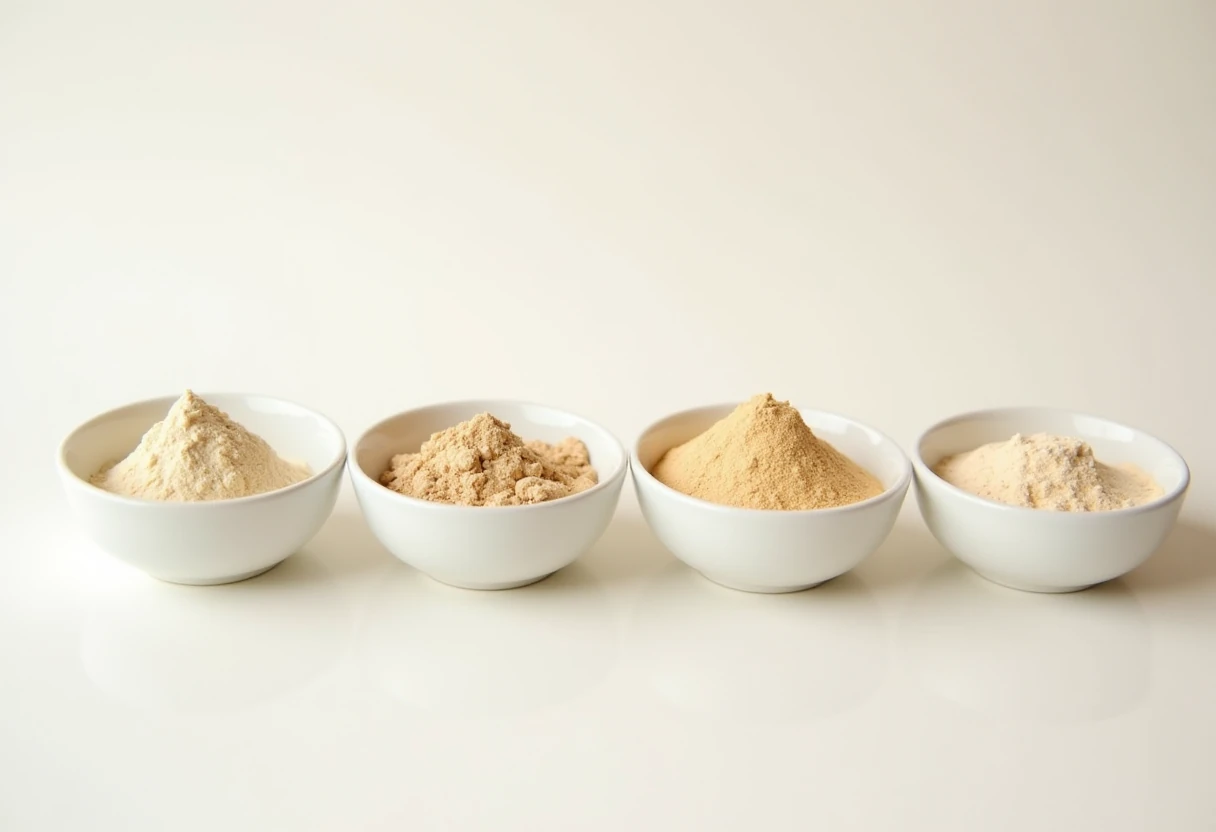
For SIBO, the lowest-risk protein powders are single-ingredient isolates with no added fibers, gums, or sweeteners. Potato protein isolate is classified as low-FODMAP by Monash University, while pea and soy proteins often retain FODMAPs (GOS and fructans) from incomplete purification, and whey concentrate carries lactose. Whey isolate is lower in lactose than concentrate. The goal is the shortest ingredient list and the smallest fermentable-carbohydrate load your gut has to process.
- You finished a course of antibiotics or herbals and you are now rebuilding intake without re-triggering bloating
- You have learned to read every powder label for inulin, chicory root, and “natural flavors” before you buy
- You know your protein numbers are low but every shake you have tried leaves you distended by mid-morning
- You are following a low-FODMAP protocol and cannot tell which powders actually fit it
“I do not need a powder that promises everything. I need one that does not set off the thing I have spent months calming down.”
SIBO changes the math on protein. The standard advice — drink a shake, hit your number — assumes a small intestine that digests and absorbs efficiently before anything reaches the colon. When bacteria are overgrown in the small intestine, fermentable carbohydrates that ride along with your protein get metabolized in the wrong place, and the gas, distension, and discomfort follow within an hour. The protein itself is rarely the problem. The carriers, fillers, and added fibers are. That is why two powders with identical protein-per-scoop can produce opposite experiences in the same person.
What Makes Protein Powder Harder With SIBO
The difficulty is not the protein gram count. It is everything formulated around it — and the fact that the same ingredients marketed as gut-friendly elsewhere are precisely the ones a SIBO gut struggles with. Four constraints account for most reactions.
FODMAPs Hide in Most Plant Proteins
Monash University notes that plant-derived proteins such as soy and pea can be particularly difficult to purify and often contain some FODMAPs — specifically galacto-oligosaccharides (GOS) and fructans. These are the exact carbohydrate families a SIBO protocol restricts. A pea protein labeled as a single ingredient can still carry residual GOS from incomplete processing, which is why “vegan” and “low-FODMAP” are not interchangeable. By contrast, potato protein is classified as a low-FODMAP source by Monash FODMAP.
Whey Concentrate Carries Lactose
If you tolerate dairy outside of SIBO flares, whey can still be an option — but the type matters. Monash University explains that whey concentrate is lower in protein and higher in carbohydrates like lactose, while whey isolate undergoes more extensive processing and ends up higher in protein with less lactose. Lactose is a FODMAP. That means concentrate carries more of the trigger than isolate, and many bargain whey blends are concentrate. If you go the whey route, read for “isolate,” not “whey protein” or “concentrate.”
Added Fibers and Sweeteners Are the Hidden Triggers
Inulin, chicory root fiber, and many sugar alcohols are added to powders specifically to market gut benefits — and they are among the most reliable FODMAP triggers in a SIBO gut. A powder can be dairy-free, soy-free, and still wreck your morning because of one prebiotic fiber three lines down the ingredient list. This is the core argument for the shortest possible ingredient list: every additive is one more variable you cannot rule out when you are distended at 11 a.m. The fewer the inputs, the faster you can isolate what your gut tolerates.
Protein That Outruns Small-Intestinal Digestion Ferments Too
Protein is not infinitely inert in the gut. When dietary protein exceeds what the small intestine can digest and reaches the colon, bacteria ferment it into short-chain and branched-chain fatty acids, ammonia, hydrogen sulfide, and other compounds (Gilbert et al., Am J Physiol Gastrointest Liver Physiol, 2018; PMID 29597354). In a SIBO gut with overgrowth higher up, very large single doses can overshoot absorption. The practical implication is not to fear protein — it is to spread it across the day in moderate amounts rather than front-loading one enormous shake.
What Actually Works for SIBO
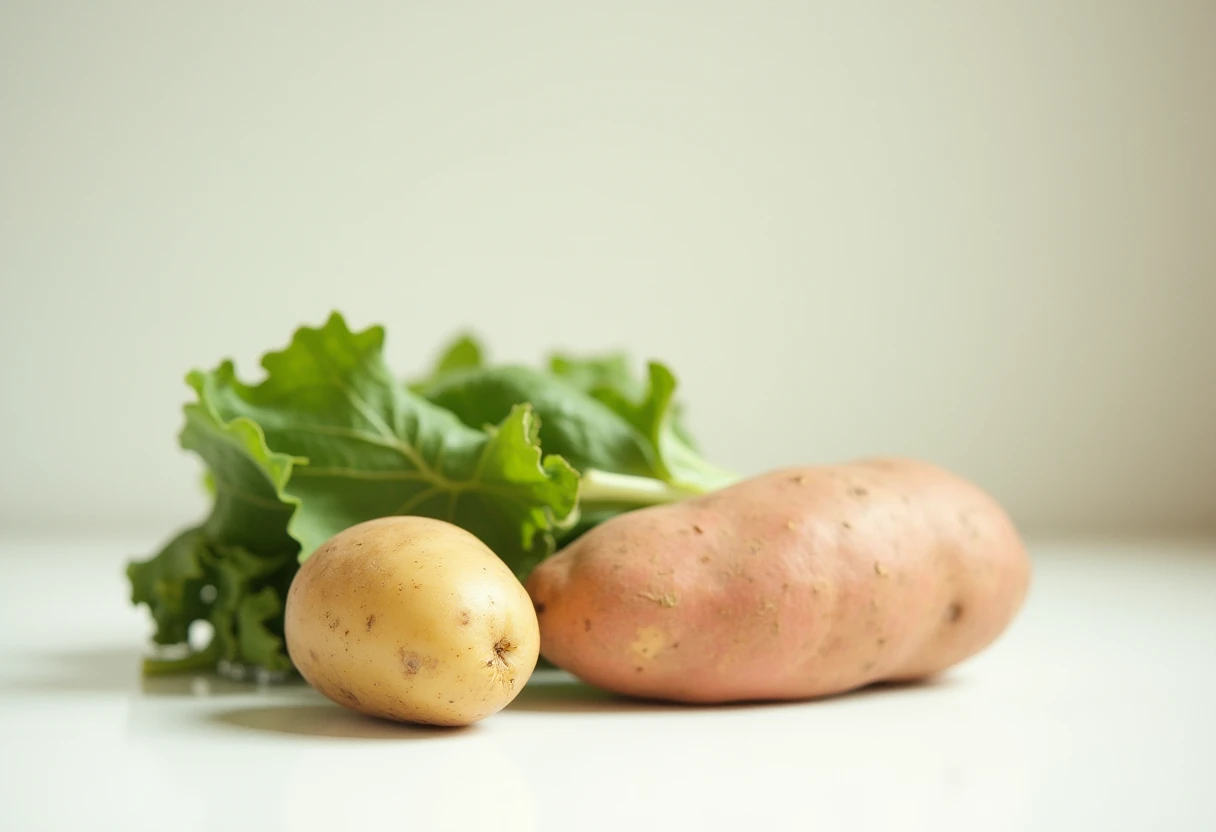
The lower-risk approach is subtractive, not additive. Start with a single-ingredient isolate, confirm its FODMAP status, and add nothing you cannot account for. Potato protein isolate fits this profile: it is 80–95% protein on a dry basis, it is classified as low-FODMAP by Monash University, and in single-ingredient form it has no gums, fibers, or sweeteners to react to. It is also free of dairy, soy, egg, gluten, and nuts, which matters because SIBO frequently overlaps with other sensitivities. For a broader look at why minimal-input powders suit reactive guts, see our allergen-free protein guide.
On the quality side, potato protein is not a compromise. A 2020 trial found that 25 g of potato protein isolate, taken twice daily, stimulated muscle protein synthesis in young women (Nutrients, 2020; PMID 32349353), and the same research group concluded it is a high-quality plant protein source. So the trade-off many people fear — that going gentle on the gut means going weak on protein quality — does not hold here. You can keep your intake intact while shrinking the fermentable load.
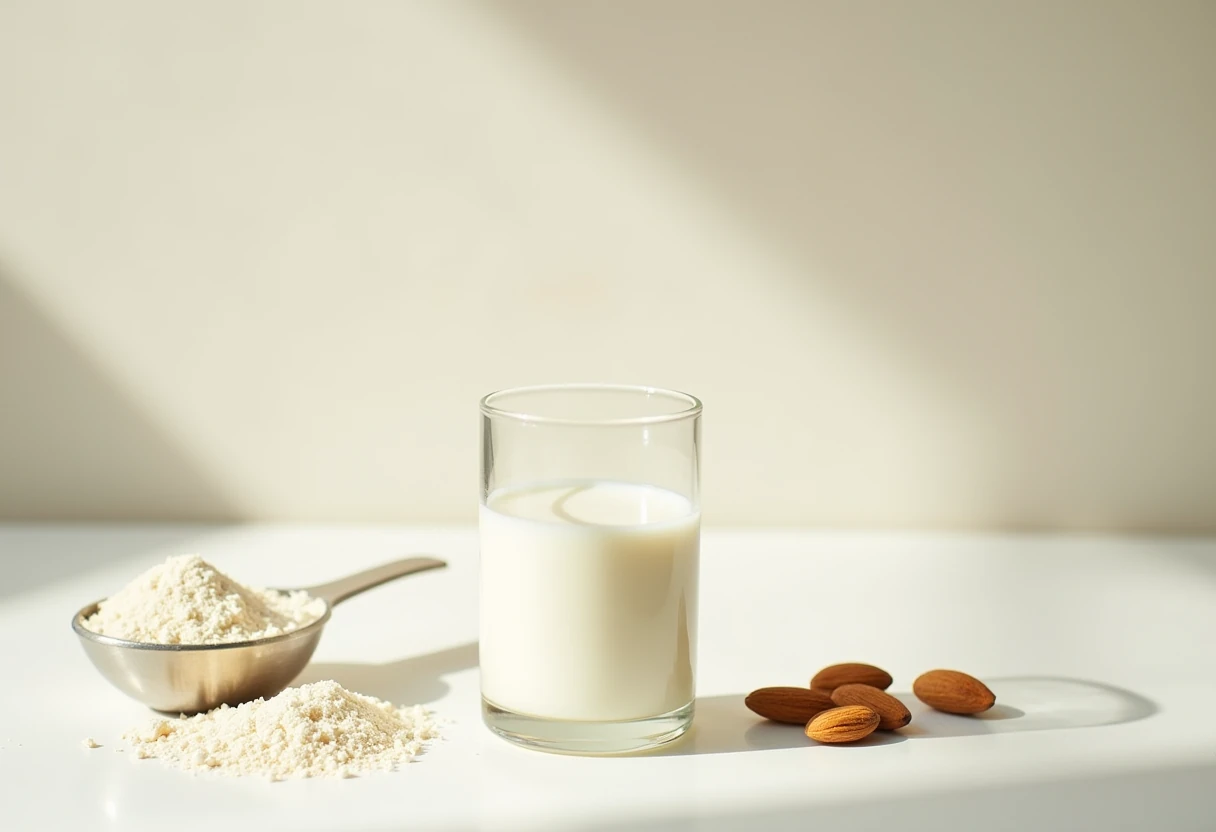
A few practical rules make this manageable day to day. Mix with water or a tolerated liquid rather than oat or soy milk, which reintroduce FODMAPs. Keep individual doses moderate — roughly 20–25 g — and repeat across meals instead of one large serving, which keeps more protein within the small intestine’s digestive capacity. Reintroduce one variable at a time, the same logic you already use for food. And if your current powder lists more than one ingredient, that is the first thing to change. For more on tracing which input is causing what, our overview of common protein problems and the piece on why protein powder causes diarrhea or nausea both walk through the elimination process.
None of this is a treatment claim. SIBO is managed with a clinician, and protein powder is a food, not a therapy. What a single-ingredient low-FODMAP isolate offers is narrow and useful: a way to meet protein targets while giving your gut the fewest possible things to ferment.