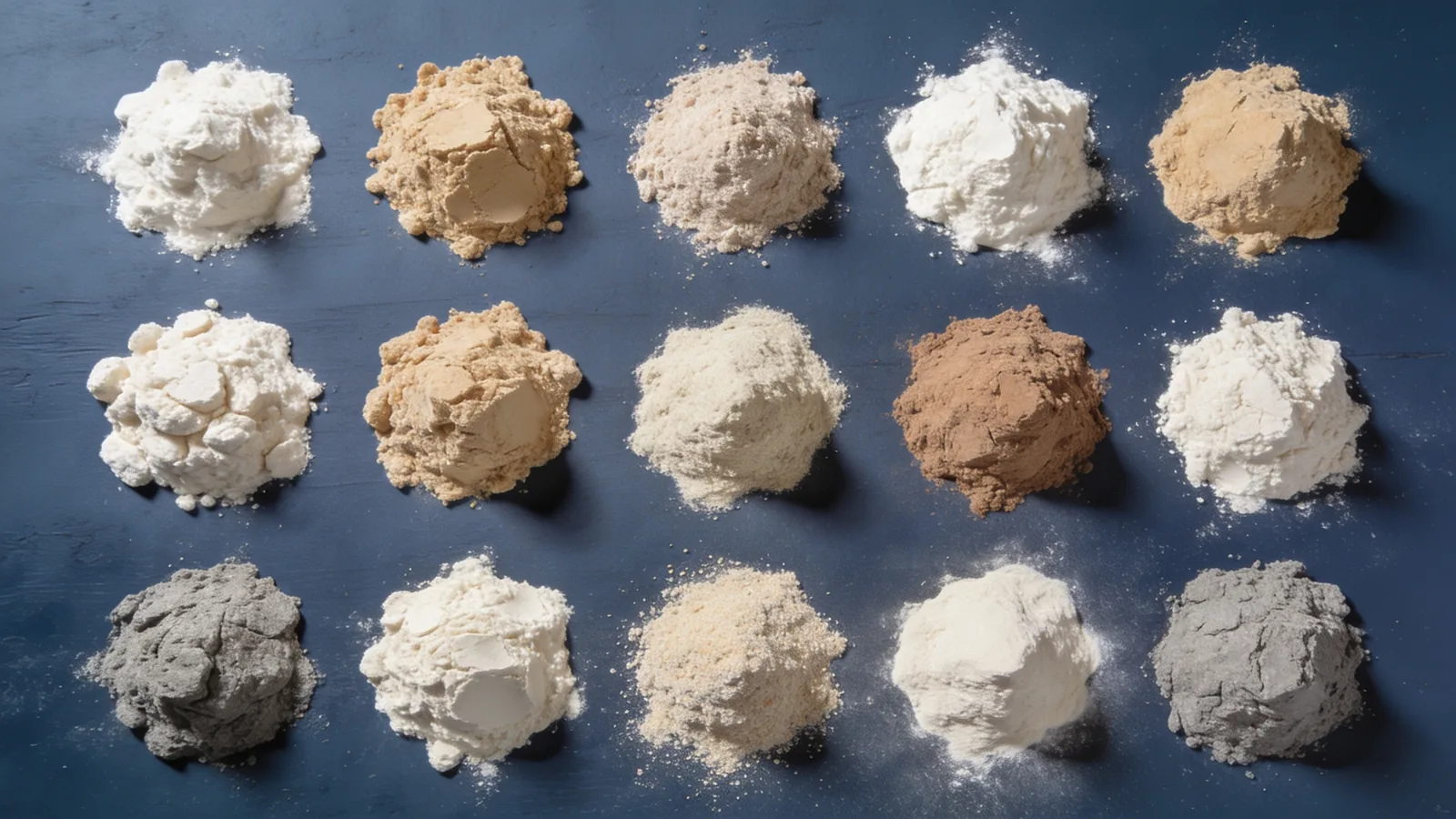
BCAAs and protein powder overlap far more than supplement marketing admits. The short version of the bcaa protein question: if you already hit your daily protein target with a complete source, a separate BCAA powder adds almost nothing. Branched-chain amino acids are three of the nine essential amino acids your body cannot make — and a complete protein already delivers all nine, in roughly the proportions muscle actually uses.
If you take a complete protein powder, you almost certainly do not need separate BCAAs. BCAA supplements provide only three essential amino acids (leucine, isoleucine, valine), while muscle protein synthesis requires all nine. A single 25g serving of a complete protein already contains those three BCAAs plus the other six, which is why whole protein outperforms isolated amino acids in muscle studies. The leucine in your protein scoop is doing the same job a BCAA capsule claims to do.
The reasoning hinges on one fact that the BCAA category quietly avoids: leucine triggers muscle protein synthesis, but it cannot build muscle by itself. Construction needs all the bricks. Below is what each product actually delivers, and where the marketing diverges from the biochemistry.
What Are BCAAs, and What Do They Actually Do?
BCAAs are three essential amino acids — leucine, isoleucine, and valine — named for their branched molecular structure. Of the three, leucine is the one that matters most: it is the primary signal that switches on muscle protein synthesis (MPS). Isoleucine and valine play supporting metabolic roles but are weak MPS triggers on their own.
The problem with taking BCAAs in isolation is structural. Triggering MPS is not the same as supplying the raw material to complete it. When you flip the switch with leucine but the other six essential amino acids are absent, synthesis stalls for lack of substrate. This is why complete proteins consistently outperform incomplete ones in controlled trials, even when both deliver amino acids.
A clear illustration: in a randomized controlled trial, 30g of whey protein after resistance exercise raised myofibrillar protein synthesis versus placebo (0.041 vs 0.032 %·h⁻¹), while 30g of collagen — an incomplete protein missing key essential amino acids — did not produce a significant rise. The postprandial increase in plasma leucine and essential amino acids was greater after whey (Medicine & Science in Sports & Exercise, 2023, PMID: 37202878). The lesson generalizes: amino acids without the full essential set leave MPS unfinished.
BCAAs vs Complete Protein Powder: The Amino Acid Math
A complete protein powder supplies all nine essential amino acids, including the three BCAAs, in one serving. A BCAA supplement supplies three of nine. If you are already meeting your protein needs, the BCAAs are redundant — you consumed them with your last scoop.
| Feature | BCAA supplement | Complete protein powder |
|---|---|---|
| Essential amino acids supplied | 3 of 9 (leucine, isoleucine, valine) | All 9 |
| Triggers muscle protein synthesis | Yes (leucine signal) | Yes (leucine signal) |
| Supplies substrate to complete synthesis | No | Yes |
| Counts toward daily protein total | Minimally | Yes |
| Provides satiety / calories of food value | Negligible | Yes |
Whey protein is a complete protein, providing all nine essential amino acids, which is part of why it became the reference standard for muscle research (INTEGRIS Health, 2023). But “complete” is not exclusive to dairy. To understand what makes a protein source complete and why it matters more than any single amino acid, see our guide to potato protein and the research on plant-based completeness. The point for BCAAs is simple: a complete powder already contains the branched-chain amino acids, so buying them separately means paying twice for the same leucine.
When Might BCAAs Still Make Sense?
BCAAs are not useless — they are usually redundant. The narrow scenario where they have any rationale is training in a genuinely fasted state when no complete protein is available, where some lifters use them to provide a leucine signal mid-session. Even then, a small serving of complete protein does the same job and supplies the rest of the essential amino acids.
If you eat enough total protein across the day, the marginal case collapses entirely. Most people who supplement with protein powder are already over the threshold where additional BCAAs change anything. The amino acids are present; the question is whether you are eating enough complete protein to use them — and that is a function of total intake, not a separate capsule.
Why Leucine Content Matters More Than a BCAA Label
Rather than buying BCAAs, the more useful move is choosing a protein with enough leucine per serving to maximize MPS — then letting the other eight amino acids ride along for free. Leucine is the trigger, and hitting roughly 2.5–3g of it per meal is the practical target most research points toward. (For the full breakdown, see how much leucine per day to build muscle.)
This is where protein source matters. Plant proteins generally induce a lower and slower postprandial rise in essential amino acids and leucine compared with whey. In one trial, a 20g plant-based protein blend raised myofibrillar MPS to 0.041%/h versus 0.046%/h for whey — a real but modest gap (The Journal of Nutrition, 2024). The fix for plant proteins is not BCAAs; it is choosing a source with a strong amino acid profile and a slightly larger serving.
Potato protein isolate is a useful example. Consuming 25g of potato protein isolate stimulated muscle protein synthesis rates effectively in young women, demonstrating high-quality anabolic properties (Nutrients, 2020, PMID: 32349353). Its Digestible Indispensable Amino Acid Score (DIAAS) has been reported as high as 100% (Food Science & Nutrition, Herreman et al., 2020, PMID: 33133540). A complete protein at an adequate serving size delivers the leucine trigger and the supporting amino acids in one step — which is precisely what a BCAA stack cannot do.
Note also the limiting-amino-acid problem some plant proteins carry. Across new pea genotypes, the limiting amino acid was the sum of methionine plus cysteine, averaging only 2.6 g/100g protein (chemical score 46%), while leucine averaged 7.1 g/100g protein (Foods, 2024). Adding BCAAs would do nothing for that gap — it would pile more leucine on a protein that is already leucine-rich while ignoring the amino acid actually in short supply. The answer is a complete source or a thoughtful blend, not isolated branched-chain amino acids.
The Practical Verdict
If you take a complete protein powder and eat to your daily target, skip the BCAAs and put the money toward more protein. The branched-chain amino acids are already in every scoop, alongside the six others your muscle needs to finish the job a BCAA capsule only starts. The simplest path is also the most effective one: hit your total protein, choose a complete source, and let the full amino acid profile do the work.
For most readers, the upgrade is not a second supplement — it is reading the label of the first one. A single-ingredient complete protein removes the guesswork entirely. To see how the major options stack up on amino acid quality, our protein for athletes guide ranks them by what matters for muscle.
References
- Aussieker T, et al. Medicine & Science in Sports & Exercise (2023). PMID: 37202878.
- Potato Protein Isolate Stimulates Muscle Protein Synthesis at Rest and Exercise Recovery in Young Women. Nutrients (2020). PMID: 32349353.
- Herreman et al. Food Science & Nutrition (2020). PMID: 33133540.
- Plant-based protein blend versus whey on myofibrillar muscle protein synthesis. The Journal of Nutrition (2024).
- Amino acid composition of new pea (Pisum sativum L.) genotypes. Foods (2024).
- Whey protein stimulates postprandial muscle protein accretion more effectively than do casein and casein hydrolysate in older men. American Journal of Clinical Nutrition (2011). PMID: 21367943.