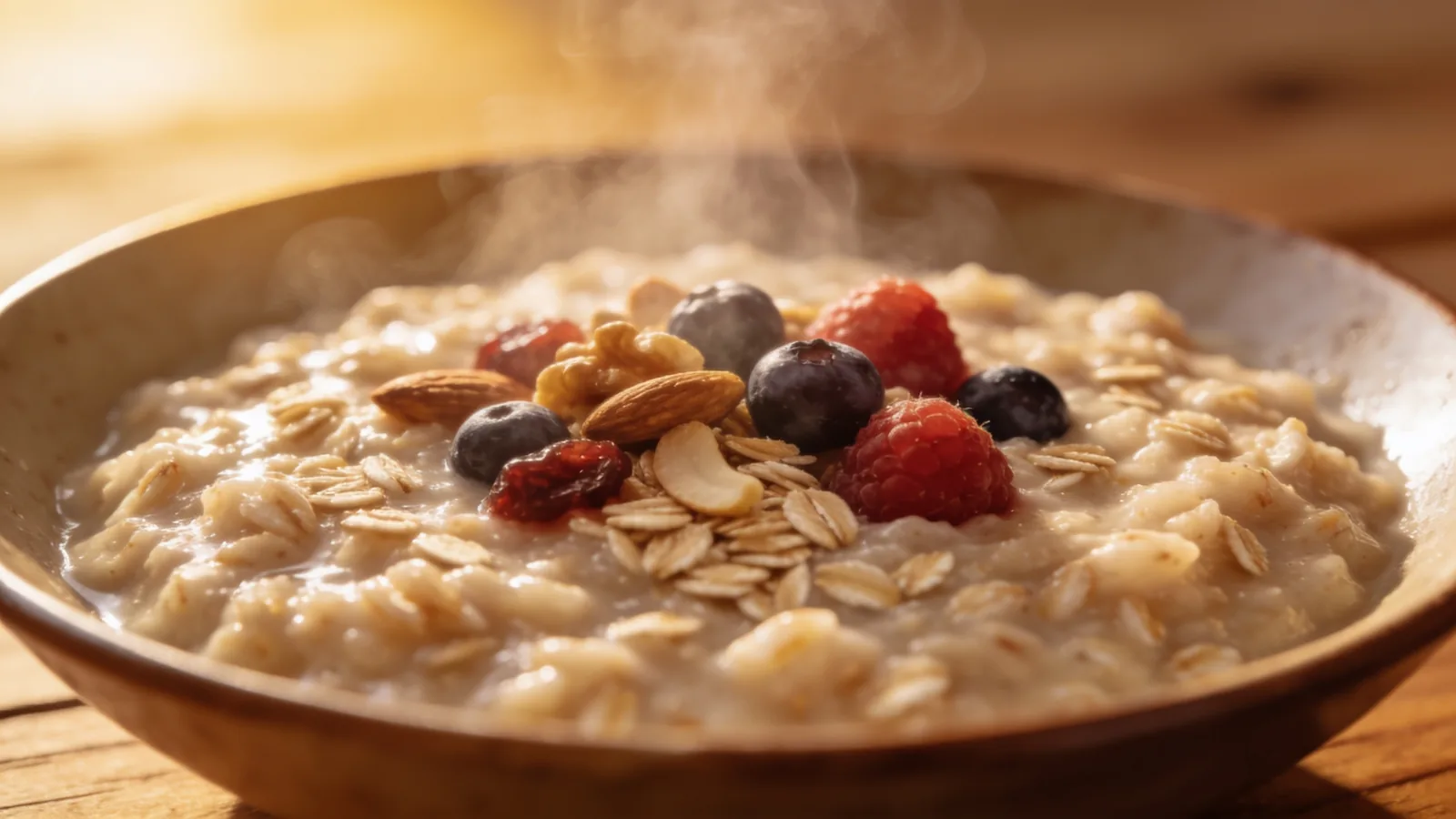
Yes, you can stir unflavored protein powder into soup, oatmeal, and bread dough — and an unflavored protein powder for soup is one of the easiest ways to add 20-plus grams to a meal you were already cooking. The two rules that matter: whisk it in off the heat, and use a single-ingredient isolate so nothing changes the flavor. Heat does not destroy the protein.
To add unflavored protein powder to soup, whisk it in after the liquid has stopped boiling, ideally as a slurry mixed with a little cool stock first to prevent clumping. A 25g scoop of single-ingredient potato protein isolate adds roughly 20-24g of protein, since the isolate runs 80-95% protein on a dry basis. Cooking does not reduce its protein content, and an unflavored isolate disappears into savory liquids without altering taste.
Add 20-plus grams of protein to food you are already making — no shaker, no chalky aftertaste, no separate “protein meal.” What you need: Unflavored single-ingredient protein isolate · A whisk or immersion blender · A small bowl for slurrying · Time: 5 min
Steps
Choose an unflavored, single-ingredient isolate
Flavored powders bring sweeteners, gums, and flavor compounds that read clearly in savory food — fine in a shake, distracting in a leek-and-potato soup. Unflavored protein isolates are recommended for cooking precisely because they avoid the additional ingredients found in flavored powders (Gluten Free on a Shoestring, Nicole Hunn). A single-ingredient potato protein isolate is one input on the label: potato protein. That matters in the bowl, where it disappears into your food, and on the label, where there is nothing to squint at.
Potato protein also carries a strong quality profile for a plant source. Its PDCAAS is among the highest of any vegetable protein, and the DIAAS for potato protein isolates has been reported as high as 100% (Food Science & Nutrition, Herreman et al., 2020, PMID:33133540). If you want the background on how the ingredient is made and why it scores well, see our explainer on what potato protein is.
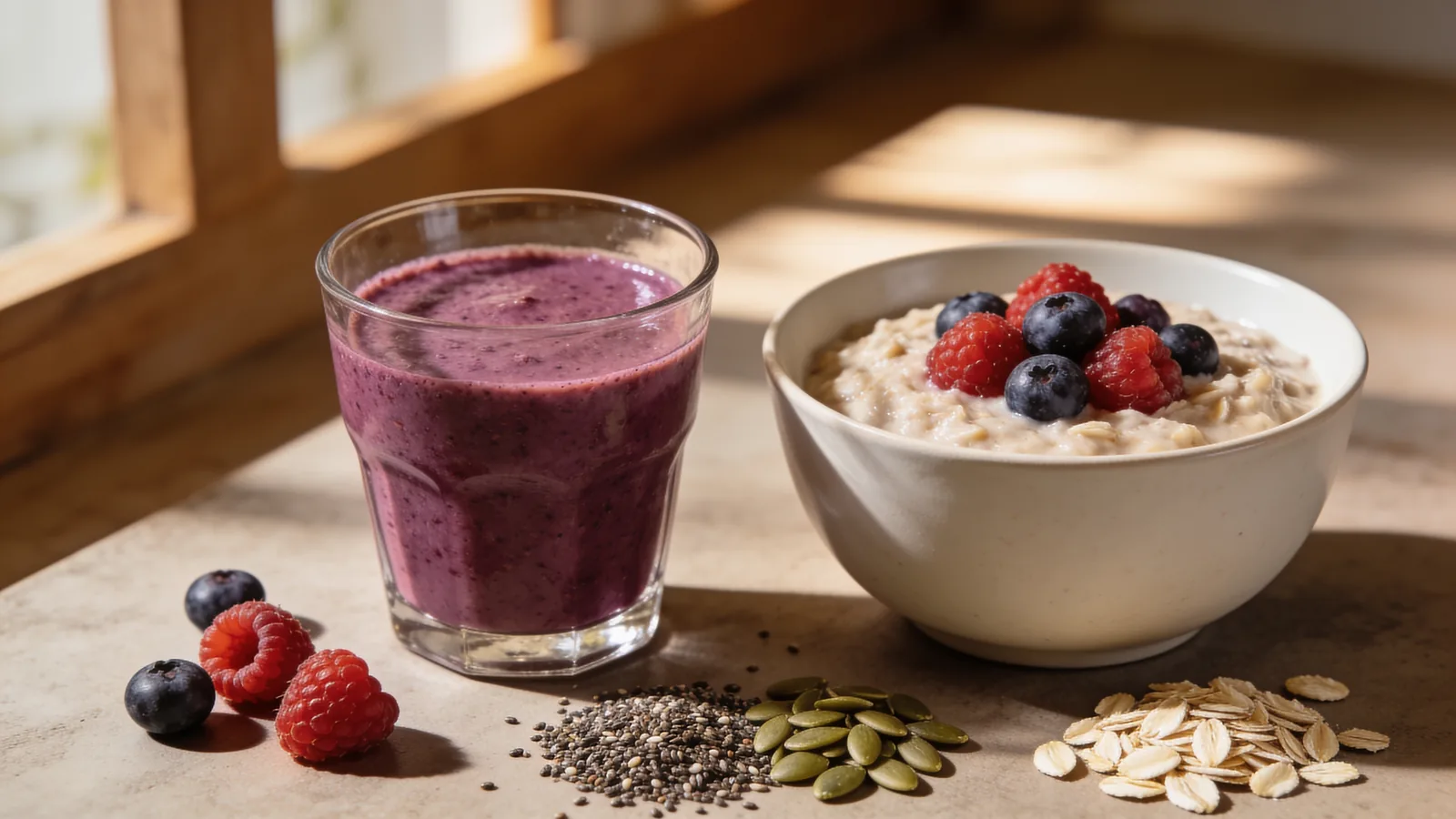
Stir it into oatmeal off the heat
Cook the oats first, then pull the pot off the burner before the powder goes in. Add a 25g scoop — roughly 20-24g of protein, since the isolate runs 80-95% protein on a dry basis — and whisk hard for ten seconds. Adding it to residual heat rather than a rolling boil keeps the texture smooth and prevents the powder from seizing into lumps.
If the oatmeal tightens up too much, splash in a tablespoon or two of milk or water. Protein binds liquid, so a portion that looked perfect before will read thicker once the powder is in. This is the same adjustment you make in any porridge, just more pronounced.
Tip: Stirring the powder into the dry oats before you add liquid also works and gives you the most even distribution — useful for overnight oats you are not heating at all.
Whisk it into soup without clumping
This is where most people go wrong: they dump powder into a boiling pot and get a floating raft of lumps. Protein hydrates fast, and a sudden hit of high heat sets the outside of each clump before the inside has absorbed any liquid. The fix is mechanical. Ladle a half-cup of warm — not boiling — broth into a small bowl, whisk the scoop into that slurry until smooth, then stir the slurry back into the pot after it has come off the boil. An immersion blender makes it foolproof.
Unflavored potato protein isolate suits brothy and pureed soups equally — lentil, tomato, squash, chicken-and-rice. It thickens slightly, which is welcome in most savory bowls. For a deeper look at why powders seize in hot liquid and how to stop it, read why protein powder clumps in hot liquids.
Pitfall: Do not pour powder straight into a boiling stockpot and expect a whisk to save it. Once clumps set, they stay. Slurry first, every time.
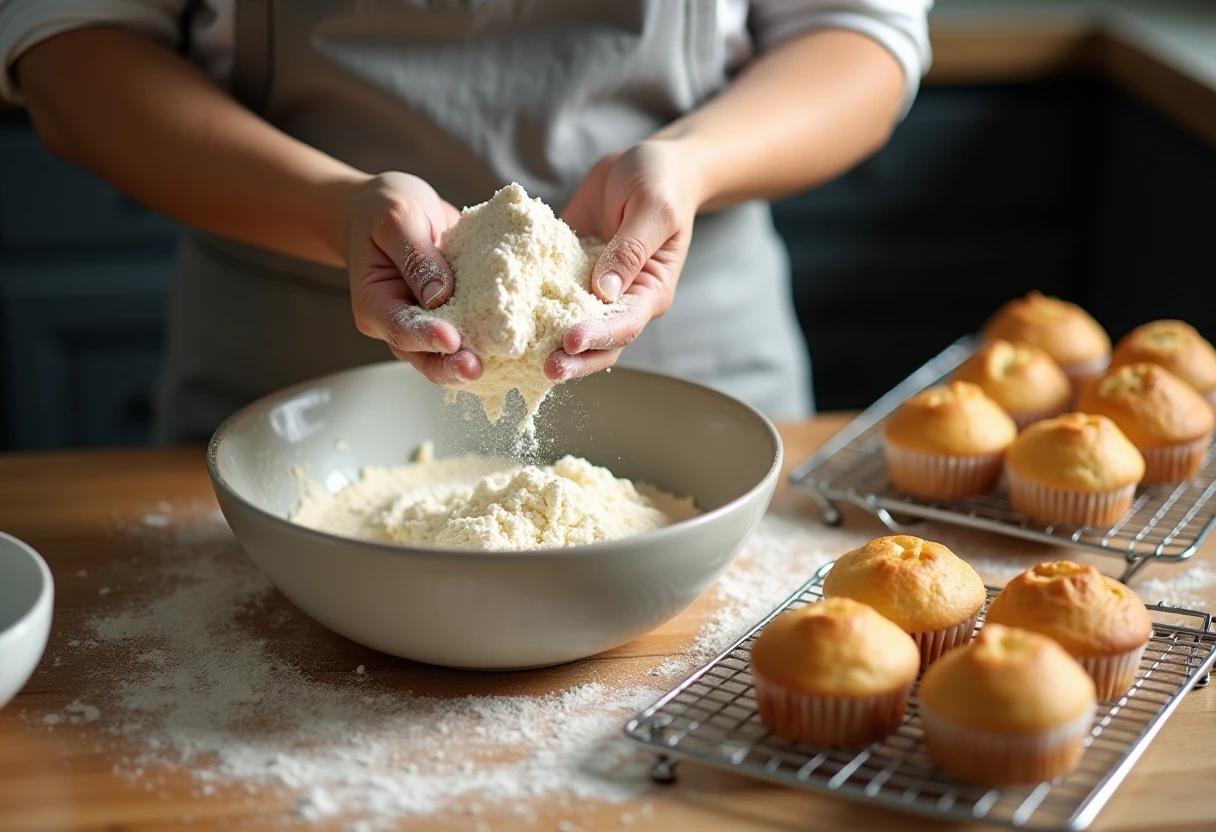
Work it into bread or pancake dough
In baking, treat protein isolate as a partial flour replacement, not an add-on. Swap it for a small fraction of the flour by weight — start at around 10% and adjust — rather than adding it on top, which throws off the dry-to-wet ratio. Potato protein isolate can contain 80-95% protein on a dry basis, so it is concentrated and absorbs more liquid than the flour it displaces. In gluten-free formulas, non-gluten proteins have been studied as structure-forming agents alongside potato starch, which is what gives gluten-free crumb its lift.
Pancakes are the friendliest entry point. The Clean Eating Couple notes that adding protein powder to pancake recipes requires balancing with additional liquid and fat to keep the texture right. Gluten Free on a Shoestring advises against using protein powder alone — on its own it dries out and will not hold together — and recommends mixing it with oat flour or a gluten-free blend. The mechanism is simple: protein binds water and sets faster than starch, so without extra moisture and fat the crumb goes tight and crumbly.
Adjust liquid and fat to keep texture right
Whatever you are making, the same correction applies across oatmeal, soup, and dough: for every scoop of protein you add, add liquid back. Protein is hygroscopic — it pulls water — so a recipe that was balanced before will read dry, thick, or stiff after. In dough, an extra tablespoon of oil or a whole egg restores tenderness; in soup, more broth thins it to where you want it; in oatmeal, a splash of milk loosens the bowl.
Worried that all this cooking wastes the protein? It does not. The general consensus is that heating or cooking protein powder does not damage it or reduce its protein content (Wellbeing Port). We cover the science in more depth in does heat destroy protein powder when you cook it. The amino acids that drive muscle protein synthesis survive the pot — a 25g serving of potato protein isolate taken twice daily was shown to stimulate muscle protein synthesis in young women (Nutrients, 2020, PMID:32349353).
Checklist
- Use an unflavored, single-ingredient isolate for savory food.
- Add powder off the heat — never into a rolling boil.
- Slurry it with cool or warm liquid before stirring into soup.
- In baking, replace ~10% of the flour by weight, not add on top.
- Add liquid or fat back to offset the protein’s water-binding.
- One 25g scoop ≈ 20-24g of protein at 80-95% protein on a dry basis.
Looking for full recipes built around these techniques? Browse our recipe index for soups, breads, and breakfasts formulated for single-ingredient protein.