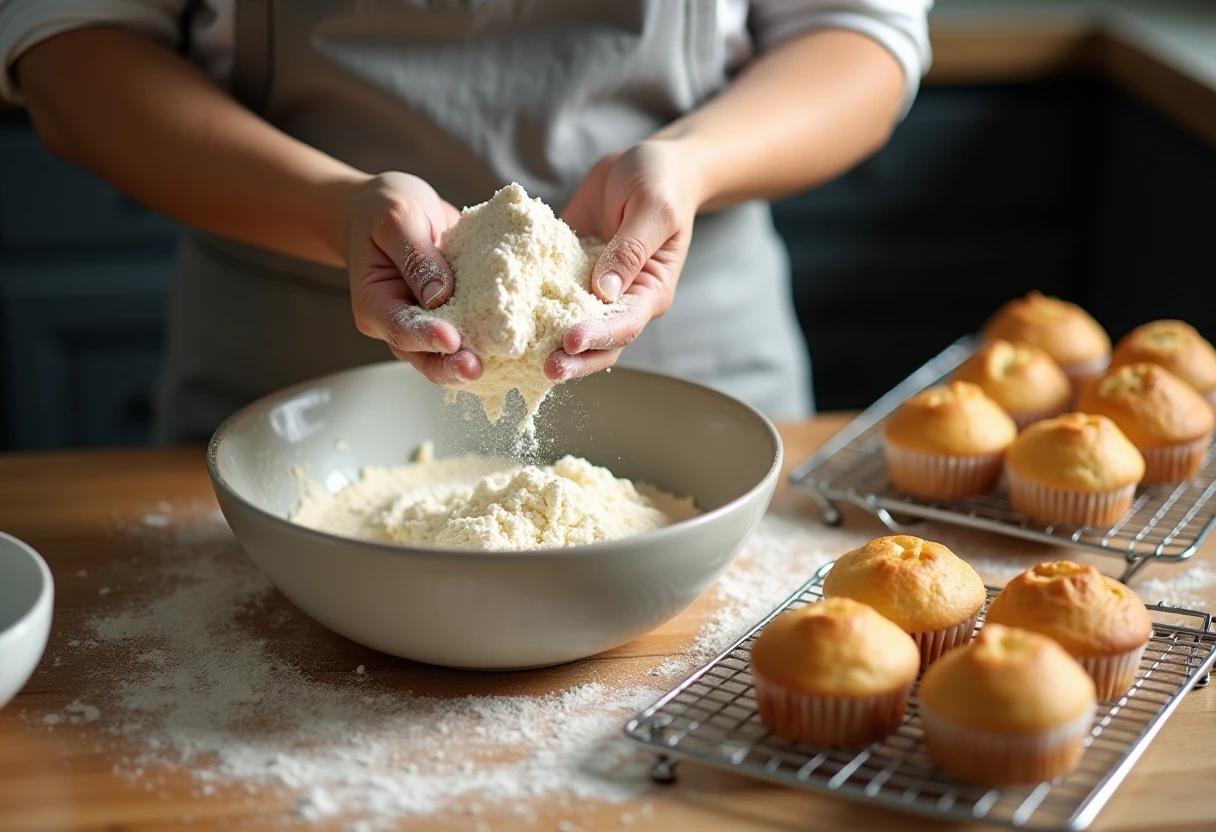
Baking with protein powder works when you treat the powder as a partial flour replacement rather than a flour. Protein behaves differently than starch under heat: it absorbs more liquid, sets faster, and browns sooner. Get those three variables right and the protein disappears into the crumb. Get them wrong and you produce a dense, rubbery, or dry result. The single most important number to remember is 20% — that is the share of flour you can swap for protein powder before texture starts to suffer.
To bake with protein powder, replace about 20% of the flour in a recipe (one part in five), add 10–15% more liquid because protein absorbs more water than starch, and reduce bake time by 10–15% since protein-rich batters set and brown faster. Stay below 30% flour replacement to avoid a dense, gummy crumb. Potato protein and egg white hold texture best under heat.
Add protein to baked goods without ruining the texture. What you need: Protein powder · Your existing recipe · A kitchen scale · Time: add 5 minutes per batch
How to Bake With Protein Powder, Step by Step
The method below applies to muffins, quick breads, pancakes, cookies, and brownies — any batter or dough where a modest swap won’t collapse the structure. Yeasted breads are a separate problem, since protein dilutes the gluten that traps gas; for those, keep substitution at the low end. Work through the steps in order, and change one variable at a time so you can read your results.
Choose the right protein powder for baking
Not every protein behaves the same in the oven, and the choice matters more than any other decision you’ll make. Potato protein and egg white hold their texture under heat — they set without tightening into rubber, which is why potato protein is described as suitable for baked goods alongside meat and dairy alternatives. Whey tends to denature and tighten when heated, producing a chewy, rubbery bite in cakes and muffins. Pea protein carries a strong vegetal flavor and a beige tint that telegraph themselves in anything pale or delicate. For most home baking, an unflavored isolate gives you the most control: flavored powders bring sweeteners, gums, and flavorings that throw off the rest of the recipe.
Tip: Unflavored protein is the only sensible choice for savory baking — think crackers, flatbreads, or a protein-fortified pizza crust. There is no vanilla or chocolate note fighting your herbs and salt. If you want the science behind why a single-ingredient powder behaves predictably, read what potato protein actually is.
Start at 20% flour substitution
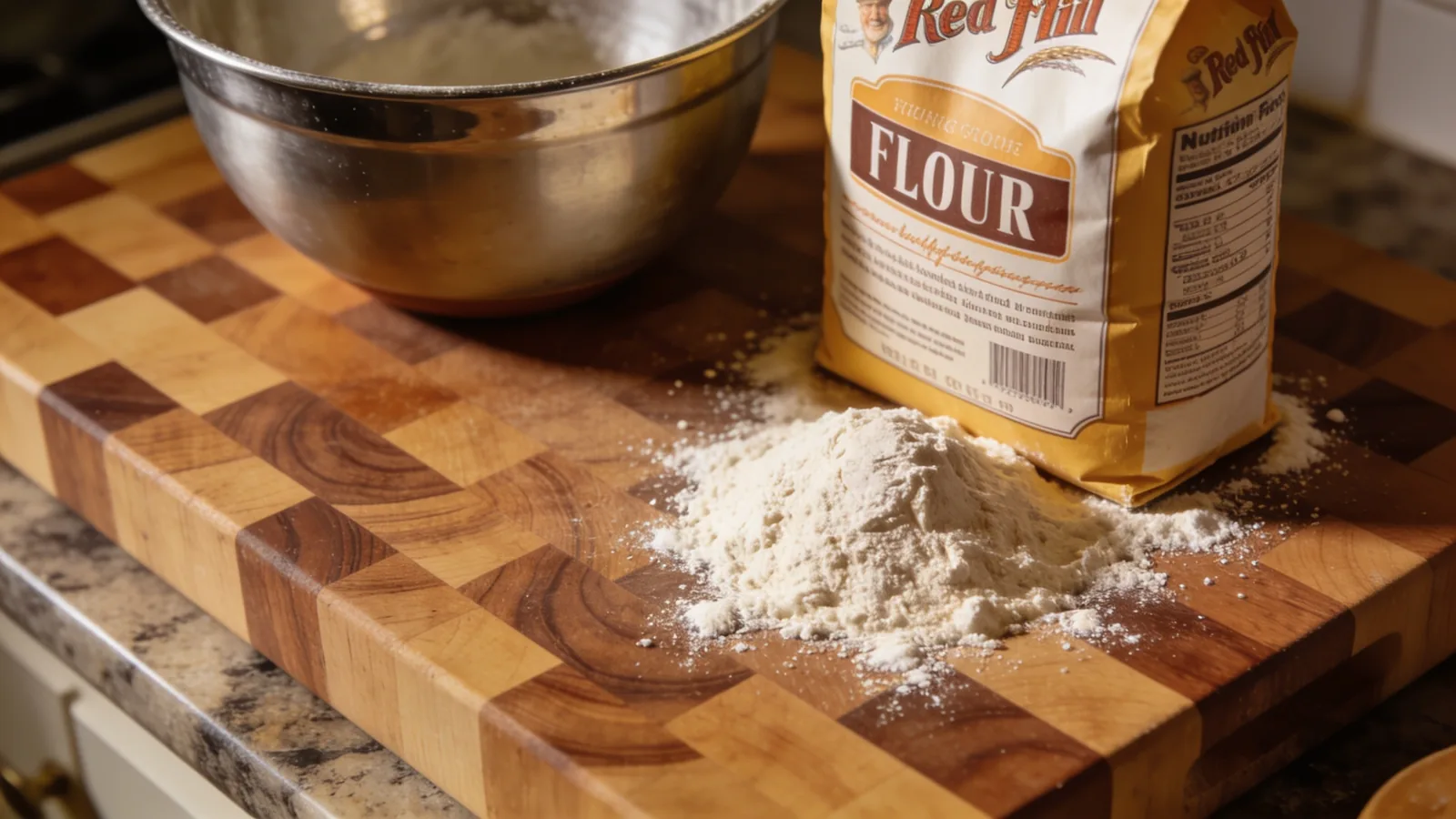
Replace one of every five parts flour with protein powder — that is your starting ratio, and it is conservative on purpose. If your recipe calls for 200g of flour, swap out 40g and add 40g of protein powder in its place. Weigh it; do not measure by volume. Protein powder and flour have different densities, so a level cup of one is not the equivalent mass of the other, and volume measuring is where most home bakers introduce error. At 20%, a well-formulated batter still has enough starch to gelatinize, trap air, and hold a tender crumb. You can nudge upward in later batches once you know how your specific powder behaves, but 20% is the floor you build from, not the ceiling you aim for.
Add 10–15% more liquid
Protein powder absorbs more water than the flour it replaces, so a straight swap leaves your batter stiff and your finished bake dry. Compensate by increasing the liquid — milk, water, or whatever the recipe uses — by 10 to 15%. If the original recipe calls for 240ml of milk, add another 24 to 36ml. Potato protein isolates run 80–95% protein on a dry basis, and that concentration is exactly what makes them so thirsty: there is very little starch left to behave like flour. Stir the liquid in gradually and stop when the batter looks slightly looser than your usual — it will firm up as the protein hydrates over the next few minutes.
Pitfall: Replacing more than 30% of the flour makes the texture dense and gummy, no matter how much liquid you add. Past that threshold there simply isn’t enough starch left to build structure, and extra water only makes the center wet. If you want a high-protein result, build it from several batches at 20–25% rather than one heroic 50% swap.
Reduce bake time by 10–15%
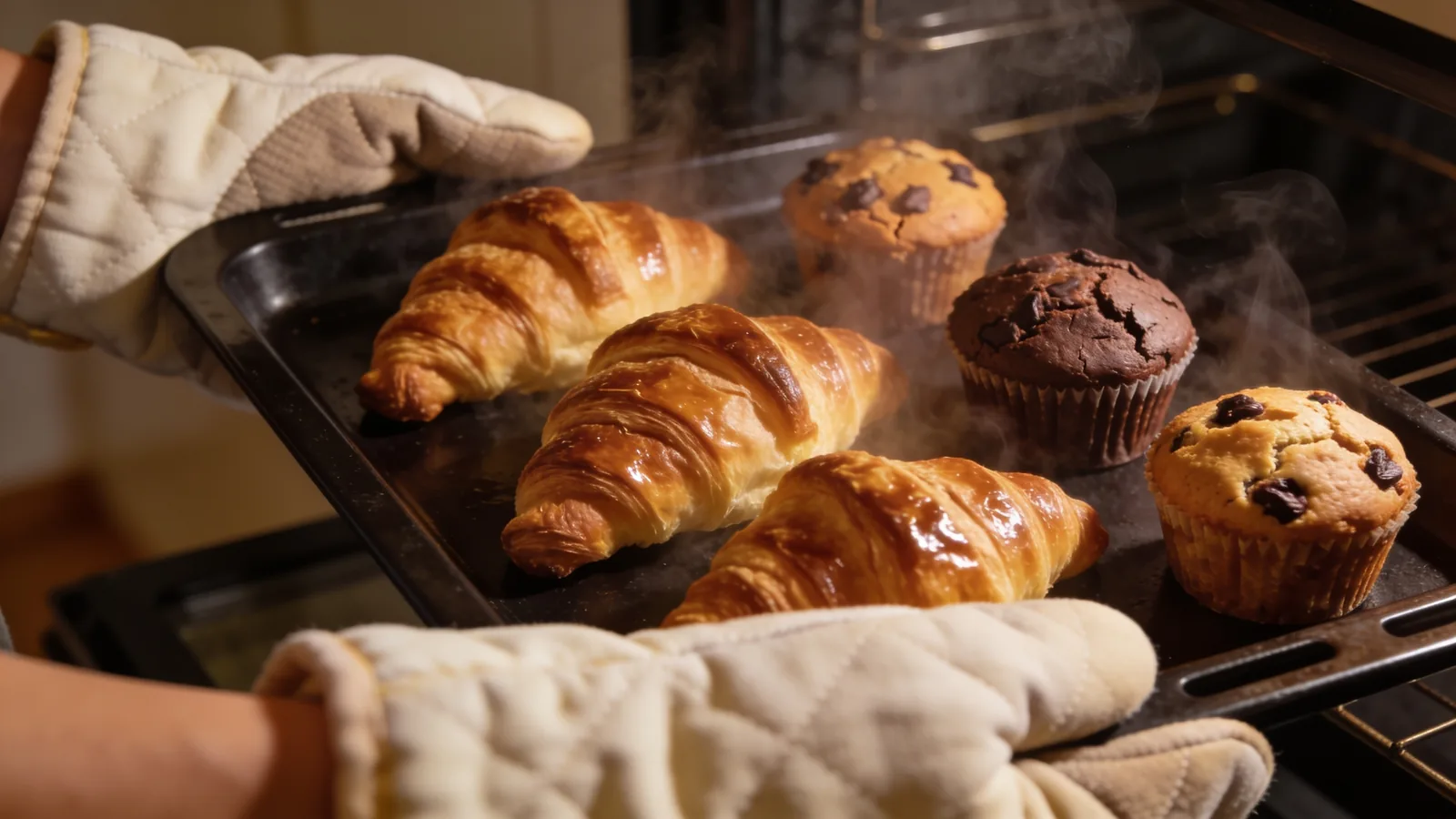
Protein-rich batters brown and set faster than all-flour ones, so a recipe timed for plain flour will overbake and dry out at the edges. Cut the bake time by 10 to 15% and start checking early. If a muffin recipe says 20 minutes, check at 17. Pull the pan when a tester comes out with a few moist crumbs clinging to it — not wet batter, but not bone-dry either. The carryover heat will finish the center after you remove it. Heating denatures the protein’s shape but does not destroy its protein content or the amino acids your body uses, though prolonged high-heat browning (the Maillard reaction) can modestly reduce the amount of available lysine. What suffers most from over-baking is moisture and crumb, so err toward pulling early.
Test one batch before scaling
Every protein powder hydrates and sets a little differently, and every oven runs a little hot or cold. Bake one batch at 20% with your liquid and time adjustments, then judge the result before you commit to a doubled recipe or a holiday tray. Note three things: was the crumb tender or rubbery, was the center moist or dry, and did the flavor stay neutral. Adjust one variable at a time in the next batch — more liquid if it was dry, less protein if it was gummy. Keeping a small index card of what worked turns guesswork into a repeatable formula you can rely on. For ready-made formulas that already account for these adjustments, browse the recipe index.
Checklist
- Use potato protein or egg white for the most heat-stable texture
- Choose unflavored isolate unless the recipe specifically wants sweetener and flavoring
- Replace 20% of the flour by weight, never more than 30%
- Add 10–15% more liquid to offset protein’s higher water absorption
- Cut bake time 10–15% and check early with a tester
- Test a single batch and record what worked before scaling up
One reason single-ingredient powders are easier to bake with: there are no gums, sweeteners, or flavor systems reacting unpredictably with your other ingredients. If you’d like the broader case for that approach, the best protein powder guide walks through what to look for.
References
- Gorissen SHM, Crombag JJR, Senden JMG, et al. Protein content and amino acid composition of commercially available plant-based protein isolates. Amino Acids (2018). PMID:30167963
- Potato protein for plant-based meat and dairy alternatives and bakery applications. Potato News Today (2023).