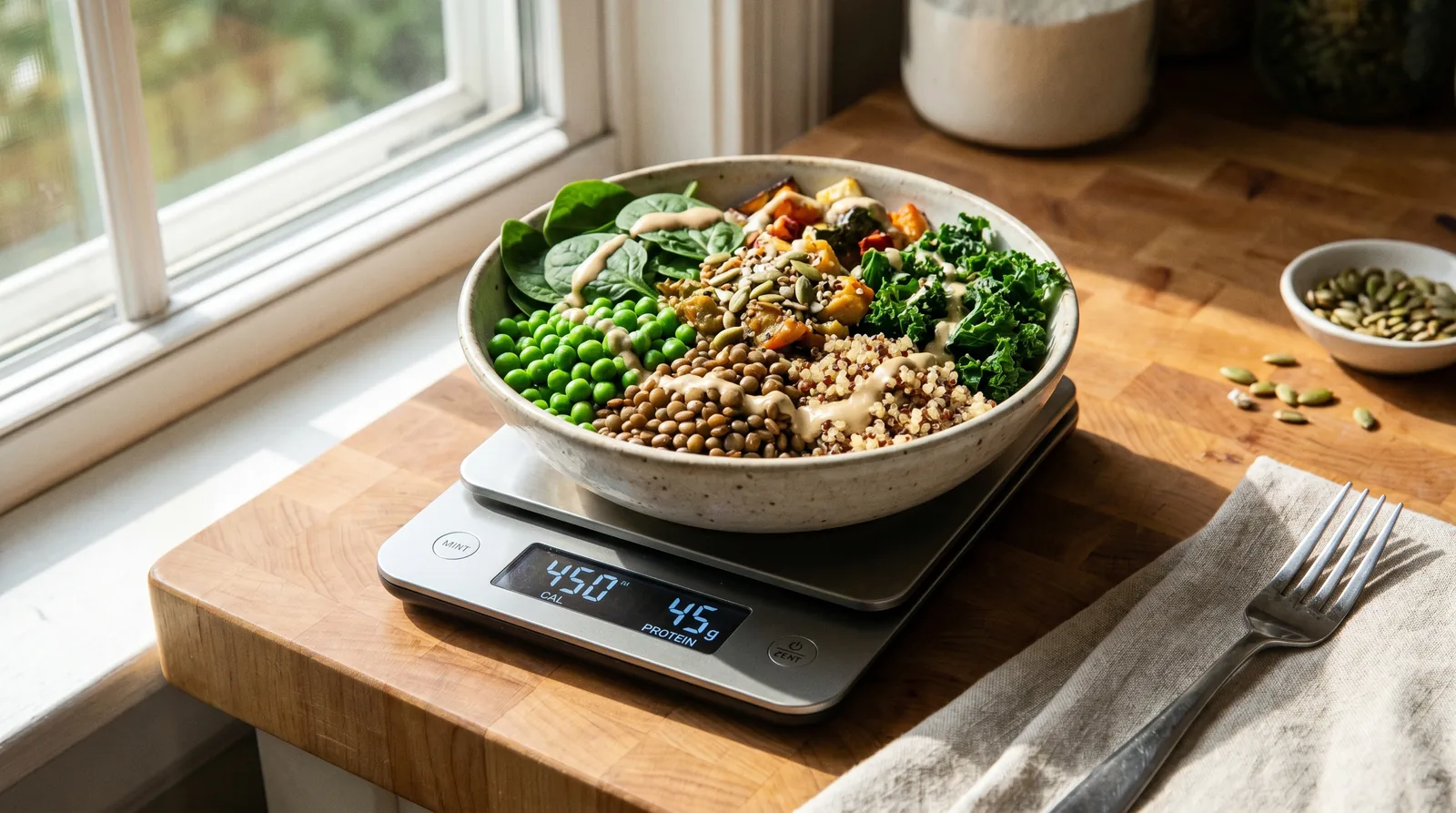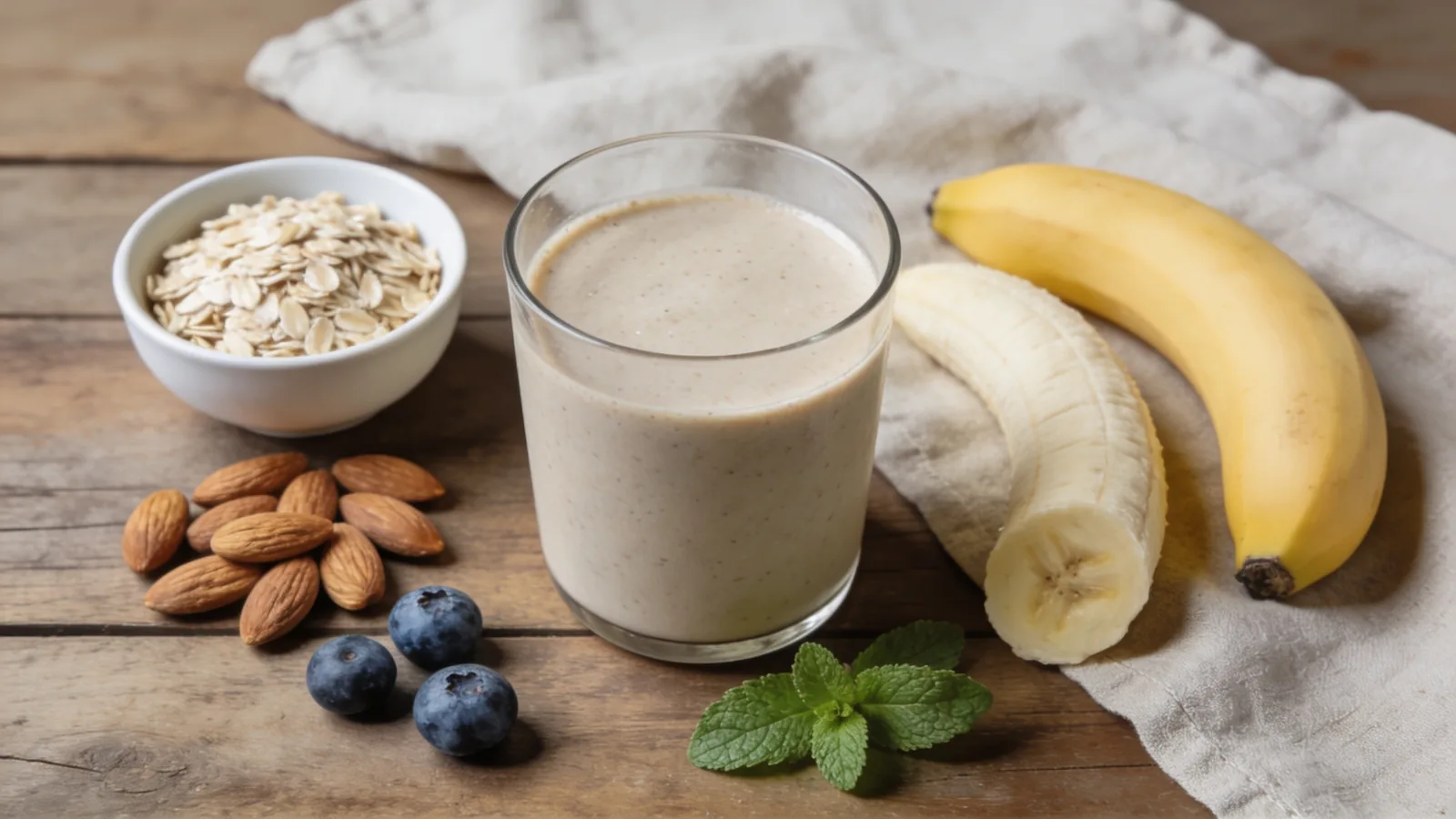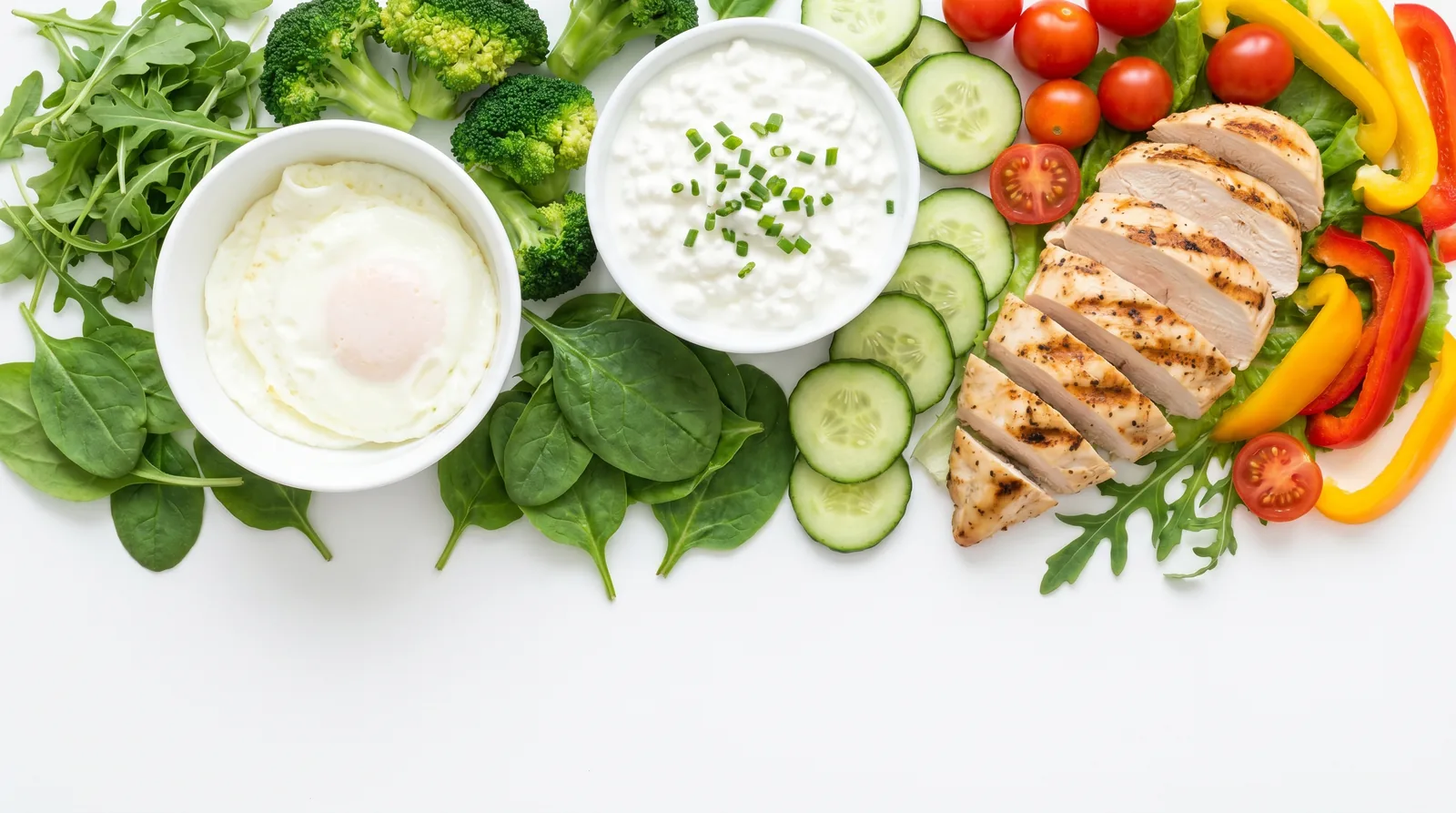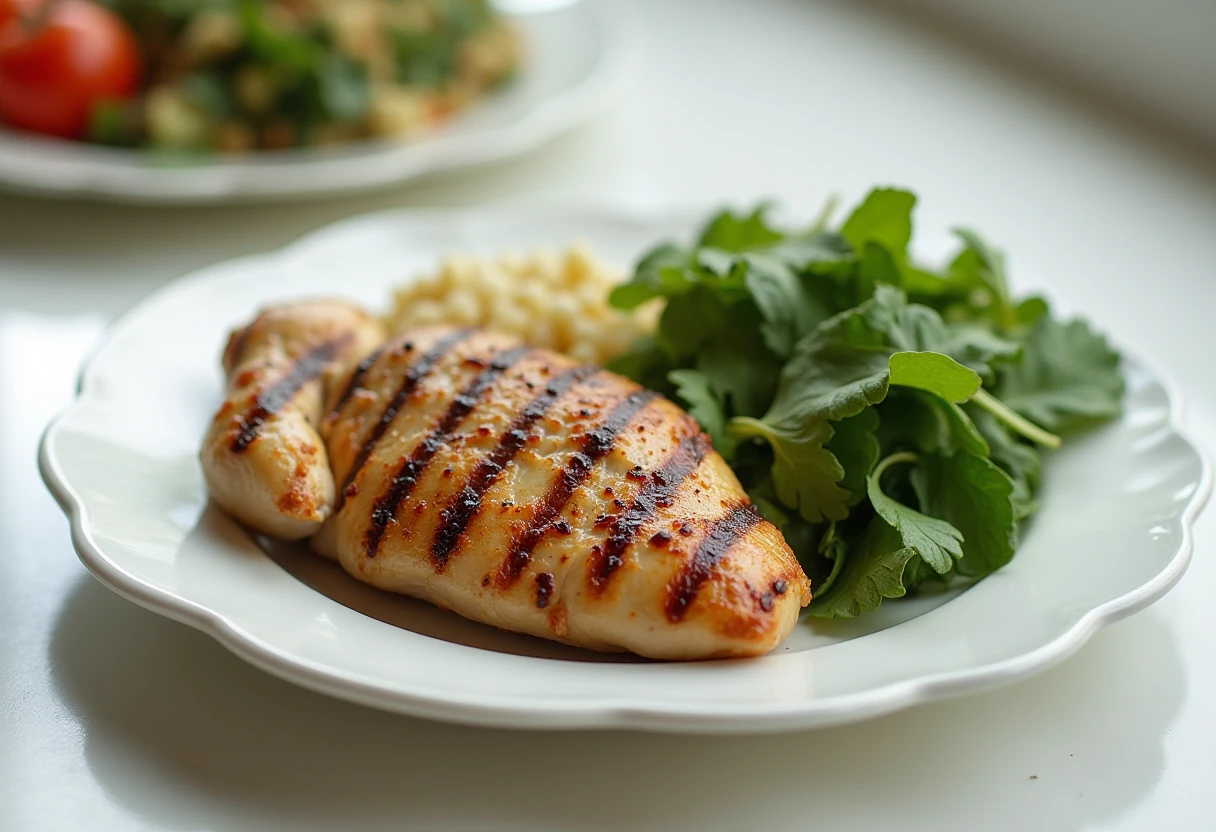
Low calorie high protein meals work because protein does something carbohydrate and fat do not: it keeps you full out of proportion to its calories. High-protein meals increase satiety and thermogenesis more than standard-protein meals. The practical result is that you eat fewer total calories without tracking every bite, because the meal itself shortens the gap before you are hungry again.
A low calorie high protein meal generally delivers 25-30g of protein for a moderate calorie cost, built around a lean source such as chicken breast, white fish, egg whites, cottage cheese, or potato protein. That per-meal protein target matches what dietitians recommend for preserving muscle (25-30g of high-quality protein per meal). Protein raises satiety hormones and lowers hunger between meals, which is why protein-forward plates support a calorie deficit without leaving you hungry.
This guide gives you a table of high-protein, low-calorie building blocks with verified numbers, more than fifteen meal ideas sorted by meal type, and a simple method for assembling a plate. If you want the underlying physiology, our complete guide to protein for weight loss covers how protein affects appetite, energy expenditure, and muscle retention in a deficit.
The Building Blocks: Protein Per Calorie
Before the meals, the components. A low calorie high protein meal is only as efficient as the protein source at its center. The foods below deliver the most protein for the fewest calories, with figures drawn from published nutrition data.
| Source | Protein | Calories | Notes |
|---|---|---|---|
| Cottage cheese (1% fat, 113g) | 14g | 81 | USDA FoodData Central reference value |
| Egg whites (½ cup from carton, ~4 whites) | 13g | ~25 | Almost entirely protein, no saturated fat |
| Chicken breast (100g, cooked) | 31g | 165 | USDA FoodData Central reference value; a top high-protein, low-calorie food |
| Potato protein isolate (per 20g scoop) | 16-19g (80-95% protein, dry basis) | ~75 | Low-FODMAP, allergen-free, single ingredient |
Egg whites and cottage cheese are the workhorses here: high protein, minimal fat, and a calorie cost low enough that you can build a satisfying meal around either. Chicken breast is the standard lean centerpiece for lunch and dinner. Potato protein isolate is the option that stirs into food without changing it — useful when you want to lift the protein of an otherwise low-protein meal like oats or a smoothie. It disappears into your food.
15+ Low Calorie High Protein Meals by Meal Type
The table below organizes meals by when you are likely to eat them, with the main protein source and an approximate prep time. Protein values are approximate per serving; weigh your portion and check the label for exact figures, since the amount varies with portion size and brand.
| Meal | Type | Main protein source | Protein | Prep |
|---|---|---|---|---|
| Egg-white scramble with spinach | Breakfast | Egg whites | 13g+ | 5 min |
| Cottage cheese bowl with berries | Breakfast | Cottage cheese | 14g (per 113g) | 3 min |
| Overnight oats with potato protein stirred in | Breakfast | Potato protein | — | Overnight |
| Greek yogurt with seeds | Breakfast | Greek yogurt | — | 2 min |
| Smoked salmon on rye crispbread | Breakfast | Salmon | — | 5 min |
| Grilled chicken breast salad | Lunch | Chicken breast | — | 20 min |
| Tuna and white bean bowl | Lunch | Canned tuna | — | 10 min |
| Turkey and lettuce wraps | Lunch | Lean turkey | — | 15 min |
| Lentil and vegetable soup | Lunch | Lentils | — | 30 min |
| Baked cod with roasted vegetables | Dinner | Cod | — | 25 min |
| Grilled chicken with broccoli | Dinner | Chicken breast | — | 25 min |
| Shrimp and pepper stir-fry | Dinner | Shrimp | — | 15 min |
| Tofu and edamame bowl | Dinner | Tofu / edamame | — | 20 min |
| Lean beef and zucchini skillet | Dinner | Lean beef | — | 20 min |
| Cottage cheese, single serving | Snack | Cottage cheese | 14g | 1 min |
| Egg whites, hard-cooked | Snack | Egg whites | 13g | 1 min |
| Potato protein shake | Snack | Potato protein | — | 2 min |
| Steamed edamame | Snack | Soybeans | — | 5 min |
For more variations on the midday meal, our high protein low calorie lunch ideas go deeper on portable, prep-ahead options. If a shake is your fastest route to 25g, the low calorie protein shake guide covers how to keep one filling rather than just liquid calories.
How to Build a High Protein Low Calorie Dinner
A high protein low calorie dinner follows a repeatable structure: a palm-sized lean protein for 25-30g, half the plate non-starchy vegetables for volume and fiber, and a small portion of slow carbohydrate or healthy fat for balance. Lead with the protein, fill space with vegetables, and keep the energy-dense extras measured rather than poured.
The reason the structure works is volume. Non-starchy vegetables add weight and chewing time for almost no calories, while the protein anchors satiety. You finish full, but the total calorie count stays modest. Build the plate in this order:
- Protein first. Choose one lean source and aim for 25-30g — the per-meal amount associated with muscle preservation.
- Vegetables for volume. Fill half the plate with anything non-starchy. This is where the meal feels generous without the calories climbing.
- A measured starch or fat. A fist of rice, a small potato, half an avocado, or a tablespoon of oil. Present, but portioned.
- Acid and seasoning. Lemon, vinegar, herbs, chili. Flavor costs nothing and makes a low-calorie plate worth eating again.
Distributing protein across meals matters as much as the daily total, especially as you age — a case has been made for per-meal protein targets to maintain muscle mass. Three or four meals each clearing 25g will do more for you than one large protein dinner and two thin meals.
Why Protein, Specifically, Keeps Calories Down
Protein influences appetite through the gut hormones that signal fullness, including peptide YY and GLP-1, while blunting the hunger drive. That hormonal shift is measurable: high-protein meals produce more satiety and a larger thermic effect than meals with standard protein. The same logic is why protein has become central to appetite management on medication — industry reporting describes a large majority of GLP-1 users actively seeking out high-protein or protein-fortified products.
For the single-ingredient eaters in this audience — the allergy parent, the autoimmune-aware adult — potato protein isolate is worth knowing. It is a low-FODMAP, allergen-free source that stirs into oats, yogurt, or a shake without dairy, soy, egg, or nuts. If you are managing appetite on tirzepatide or semaglutide, see protein shakes on GLP-1 for how to hit a protein target when your appetite is suppressed.